What Is Color Coated Steel and Which Type Is Best?
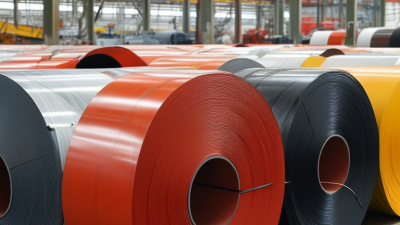
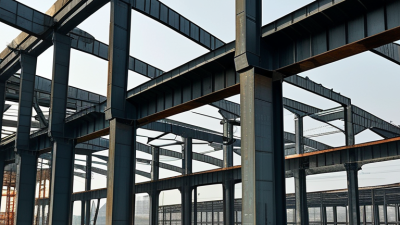
Color Coated steel combines a metallic substrate, protective layers, and a factory-applied organic finish. It appears on roofs, wall panels, doors, warehouses, and agricultural buildings. The surface may look simple, but its performance depends on several hidden choices.
Dr. Mars G. Fontana, a respected corrosion engineering authority, wrote, “Corrosion is the destructive attack of a metal by chemical or electrochemical reaction with its environment.” That principle explains why coating selection cannot depend on color alone. A roof beside saltwater faces different risks from an indoor partition. Humidity, ultraviolet exposure, temperature changes, pollution, and forming operations all influence service life.
A polyester coating may suit sheltered buildings and controlled budgets. Silicone-modified polyester can offer stronger resistance to sunlight and weathering. High-durability polyester often provides a practical balance for commercial projects. Polyvinylidene fluoride, commonly called PVDF, is frequently selected when color retention and long-term appearance matter. Plastisol can provide a thicker, textured surface, but it may not be ideal for every hot or highly exposed environment.
The “best” type is conditional.
This article compares Color Coated steel systems through durability, appearance, maintenance, flexibility, and total project cost. It also considers primer quality, steel substrate, coating thickness, edge protection, and installation damage. A premium resin cannot repair poor fabrication or careless handling. That is easy to overlook.
Even the strongest specification can fail when the real environment is misunderstood. Readers should question attractive claims, request technical data, and match the coating system with actual exposure conditions. The right choice may not be the most expensive one. It should be the most defensible one.
What Is Color Coated Steel and How Is It Structured?
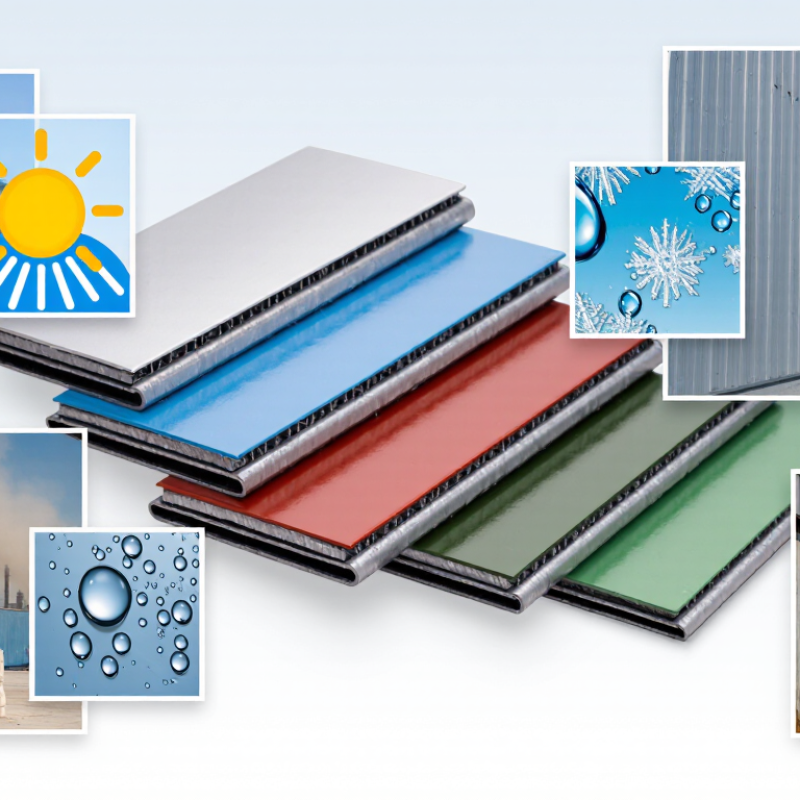
Color-coated steel is a layered material, not simply painted sheet metal. Its core is usually cold-rolled steel, galvanized steel, or zinc-aluminum-coated steel. The metallic layer provides sacrificial protection when moisture reaches exposed steel. A chemical pretreatment then improves paint adhesion and slows corrosion.
The paint system usually contains a primer, a colored topcoat, and a protective backcoat. Each layer has a different job. The primer supports adhesion, while the topcoat resists sunlight, rain, and scratching. Under EN 10346, a Z275 coating contains 275 grams of zinc per square metre across both surfaces. This figure helps buyers compare corrosion protection. However, it does not predict service life alone. Cut edges, trapped water, pollution, and installation damage can change performance.
World Steel Association’s World Steel in Figures 2024 reports about 1.89 billion tonnes of crude steel production in 2023. That scale explains why coated steel remains important in roofing, wall panels, and industrial buildings. For dry interiors, standard galvanized substrate may be sufficient. Coastal or humid sites often need heavier metallic coating and a tougher paint system. There is no universal “best” type. I would question any specification that ignores drainage and edge treatment.
Tips: Check coating mass, paint thickness, and test classification together. Inspect punched holes and cut edges before installation. A beautiful surface can still fail at a careless joint.
What Is Color Coated Steel and Which Type Is Best?
Color coated steel is a layered product made from a steel substrate, a metallic protective coating, chemical pretreatment, primer, and colored topcoat. The chart compares commonly specified metallic coating-mass designations used beneath organic paint layers.
Values are nominal coating-mass designations in grams per square metre for both sides of the steel sheet. Higher coating mass generally provides a thicker metallic barrier, but the best type also depends on the environment, forming requirements, paint system, and expected service life.
How Is Color Coated Steel Manufactured and Finished?
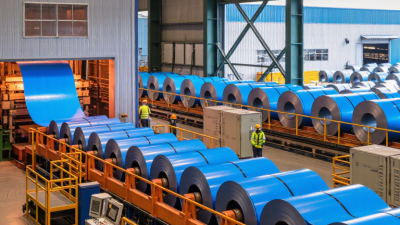
Color coated steel begins with a carefully prepared metal substrate, usually galvanized or zinc-aluminum coated steel. The coil is unrolled, cleaned, and treated to remove oil, dust, and surface residue. A chemical pretreatment improves coating adhesion and helps slow corrosion. The steel then receives a primer, followed by one or more layers of colored paint.
Precision matters here. A roller coater controls the wet film thickness across the moving coil. The strip passes through a curing oven, where heat bonds the coating into a durable film. A protective back coat may be added to reduce moisture exposure inside panels. Line speed, oven temperature, and paint viscosity must remain stable. Small changes can create uneven gloss or weak adhesion.
Finishing is not only about appearance. Technicians check color consistency, coating thickness, surface defects, bending performance, and adhesion after curing. They may cut samples, fold them, and inspect the bend for cracking. The best coating depends on the environment: standard polyester suits many indoor and moderate outdoor uses, while tougher systems serve strong sunlight or harsher exposure. No coating is perfect. Poor edge protection, trapped moisture, or careless handling can still shorten service life. A better specification considers climate, forming needs, maintenance, and the installer’s actual working conditions.
What Are the Main Types of Color Coated Steel?
Color-coated steel is not one universal product. Its performance depends on the metal substrate, protective coating, paint system, and forming process. In practical projects, the main substrate types are galvanized steel, zinc-aluminum coated steel, and aluminum-coated steel. Galvanized steel uses a zinc layer to protect exposed areas, especially around cut edges and scratches. It is widely selected for walls, roofs, and general construction.
Zinc-aluminum coated steel offers stronger resistance to heat and atmospheric corrosion in many environments. Its surface often looks slightly metallic beneath the colored paint. This type can perform well on industrial buildings and long-span roofing, but installation quality still matters. Aluminum-coated steel handles high temperatures effectively and may suit equipment panels or areas with demanding heat exposure. It is less common for ordinary building envelopes.
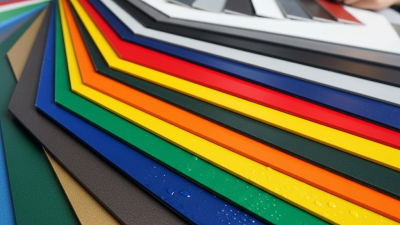
The paint layer creates another important classification. Polyester coatings are economical and suitable for indoor or moderate outdoor use. Silicone-modified polyester improves color retention and weather resistance. High-durability polyester usually provides a longer service life under sunlight and rain. Fluoropolymer coatings offer strong resistance to ultraviolet exposure, chalking, and chemical pollution, although they cost more. Primer quality matters too.
No type is best everywhere. Coastal air, factory emissions, strong sunlight, bending depth, and maintenance plans can change the choice. A sample panel may look excellent indoors, yet fade faster on a sunny roof. That detail is easy to underestimate. Edges, fastener holes, and damaged paint deserve inspection after installation. Even advanced coating systems cannot repair careless handling.
Which Type of Color Coated Steel Is Best for Different Uses?
Choosing the best color coated steel depends on exposure, forming needs, and service life. No single coating wins everywhere. Galvanized steel suits roofing, wall panels, and indoor construction because its zinc layer offers practical corrosion protection. Aluminum-zinc coated steel performs better under heat and moisture, making it suitable for warehouses, agricultural buildings, and long-span roofs. ASTM A792/A792M provides requirements for aluminum-zinc coated steel.
The paint system matters equally. Polyester is economical for general walls and roofs with moderate weather exposure. SMP offers better resistance to fading and chalking, so it fits sunny industrial buildings. PVDF is a stronger choice for coastal façades, transport facilities, and prominent architecture, where appearance must remain stable for years. According to EN 10169, organic-coated steel is classified by corrosion resistance, UV resistance, and outdoor durability; buyers should request these performance classes instead of relying on color names.
Real projects often expose weak assumptions. A low-cost panel may fail early beside saltwater, even with a suitable steel substrate. The World Steel Association reported 1.89 billion tonnes of crude steel production in 2023, showing the material’s massive industrial scale, but volume does not guarantee correct selection. Check coating mass, paint thickness, forming requirements, fasteners, drainage, and cut-edge protection. For harsh coastal conditions, thicker metallic coatings and higher-grade paint usually justify the added cost. Site inspection is still necessary. Reports guide decisions; they cannot replace local weather evidence.