What Is Color Coated Steel and How Is It Used?
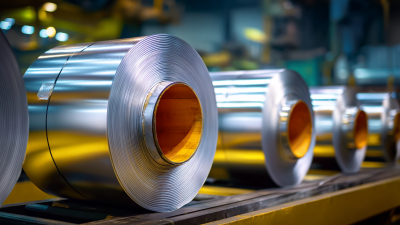
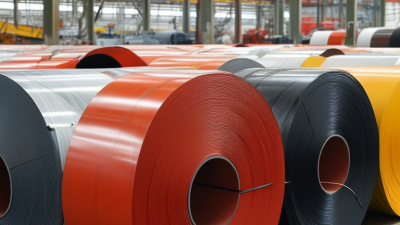
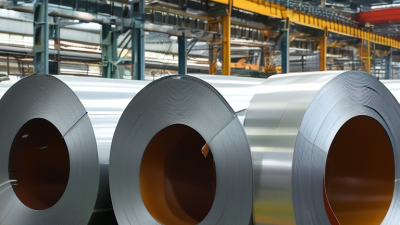
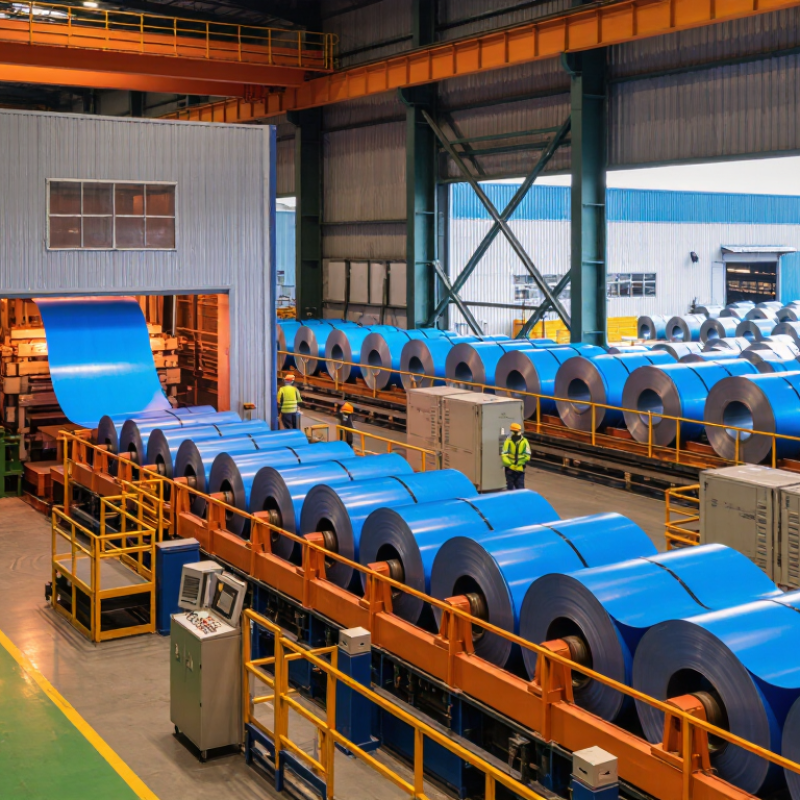
Color Coated steel begins as a flat steel sheet, then receives controlled layers of primer, paint, and protective finish. The process happens on a continuous coil-coating line. Rollers spread the coating evenly, while ovens cure it before fabrication. The result is a panel with consistent color, corrosion resistance, and a finished surface.
This material appears on warehouse roofs, wall cladding, garage doors, appliances, and architectural façades. A blue roof can reflect intense sunlight, while a textured coating can reduce visible scratches. Yet performance depends on coating chemistry, steel thickness, forming methods, and local exposure. Coastal salt, industrial pollution, and trapped moisture can shorten service life. It is not maintenance-free.
The World Steel Association reported 1.892 billion tonnes of crude steel production worldwide in 2023. That figure shows the scale of the underlying industry, not the Color Coated segment. Market reports from Grand View Research and MarketsandMarkets forecast continued growth for pre-painted metal, driven by construction, renovation, and lightweight building systems. Their estimates differ, so readers should treat forecasts as directional rather than guaranteed.
Edwin Basson, Director General of the World Steel Association, has described steel as “an essential part of modern life.” The statement also explains coated steel’s importance: the substrate provides structural strength, while the coating adds visual identity and environmental protection. Still, color selection alone cannot guarantee durability. Product standards, testing records, installation quality, and realistic maintenance plans matter more than a glossy sample.
What Is Color Coated Steel?
What Is Color Coated Steel?
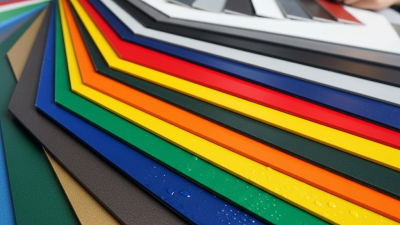
Color-coated steel is flat steel sheet covered with protective layers and a colored organic coating. The steel core often has a metallic coating, such as zinc or an aluminum-zinc alloy, to help limit corrosion. Manufacturers clean and pretreat the sheet, apply primer and paint, then cure the layers in a controlled coil-coating line. The result is a finished surface with consistent color and thickness. It is not simply paint brushed onto bare steel.
The coating system affects weather resistance, appearance, and maintenance needs. Building panels, roof sheets, wall cladding, and appliance housings are common uses. The World Steel Association’s World Steel in Figures 2024 reports 1.892 billion tonnes of crude steel production in 2023. That figure shows the scale of the material industry, not the share that is color coated. Still, it helps explain why durable, factory-finished steel matters across construction and manufacturing. One caution: “color coated” does not guarantee the same service life; coating chemistry, thickness, forming, and local exposure all matter.
Tips: Check the product data sheet for coating type, thickness, and intended environment. For coastal sites, ask about corrosion testing and edge protection. A small cut edge can become a weak point, even when the broad painted surface looks sound.
What Is Color-Coated Steel and How Is It Used?
Color-coated steel is metal sheet with a protective paint system applied to a coated steel substrate. The chart shows common zinc-coating designations used on galvanized steel substrates; the values represent the total zinc coating mass on both sides, in grams per square metre.
Color-coated steel is commonly used for building roofs and wall cladding, garage doors, and household appliances. Zinc coating mass is one factor in substrate corrosion protection; the complete paint system and service environment also matter.
How Is Color Coated Steel Manufactured?
Color coated steel begins as a flat steel strip with carefully prepared surfaces. Manufacturers usually clean it with alkaline solutions and other controlled treatments. The surface is cleaned thoroughly. Oil, dust, and mill scale can weaken coating adhesion. This stage seems simple. It is not. Even tiny contaminants may cause peeling later.
After cleaning, the strip receives a metallic protective layer, often zinc or a zinc-aluminum alloy. This layer helps slow corrosion when the steel faces moisture. A primer is applied after drying. It improves bonding and adds another barrier against rust. Then, a colored topcoat is spread across the surface. The strip moves through curing ovens, where controlled heat hardens each layer. Too little heat can leave the coating soft. Too much may change its color or flexibility.
Quality checks normally include coating thickness, color consistency, gloss, adhesion, and surface appearance. Inspectors may use cross-cut tests or examine samples after bending. Edges and formed areas deserve special attention. Once cured, the steel is cut or rolled for roofing, wall panels, doors, and interior components. At construction sites, installers still need to prevent scratches and exposed cut edges. Color coated steel is not maintenance-free. Its service life depends on coating quality, climate, drainage, and installation accuracy. The manufacturing process is highly controlled, but never perfectly uniform. That small gap matters.
What Types of Coatings and Steel Substrates Are Used?
Color-coated steel starts with a metallic substrate, not paint alone. Cold-rolled steel provides a smooth surface and accurate thickness control. However, it needs corrosion protection before outdoor exposure. Hot-dip galvanized steel adds a zinc layer, often measured in grams per square meter. Zinc protects exposed edges through sacrificial action. That detail matters near cut panels and fastener holes.
Aluminum-zinc coated steel uses an alloy containing mostly aluminum, with zinc and small silicon additions. Its surface can resist heat and atmospheric corrosion effectively. Organic topcoats then provide color and further protection. Common systems include polyester, silicone-modified polyester, polyurethane, plastisol, and fluoropolymer coatings. Each balances flexibility, weathering, hardness, and cost differently. A flexible polyester layer may suit roof forming. A fluoropolymer system usually performs better under intense sunlight, but it is not automatically the best choice.
The substrate should match the building environment. ISO 12944 classifies corrosive exposure from low indoor conditions to severe coastal or industrial zones. A thin coating can fail early beside salt spray. It happens. The World Steel Association reported about 1.89 billion tonnes of crude steel production in 2023, showing the scale of steel’s industrial role. Yet production volume does not guarantee durability. Coil-coating lines control cleaning, pretreatment, primer thickness, and curing temperature. Small process variations can change adhesion. In practice, designers should verify coating mass, paint thickness, bend performance, and test results before specifying panels. Some guidance remains too general. Real weather, forming damage, and maintenance often expose that weakness.
Where Is Color Coated Steel Commonly Used?
Color-coated steel is carbon or galvanized steel covered with metallic layers and a factory-applied organic finish. It is widely used where appearance, corrosion resistance, and fast installation matter. World Steel Association data show construction and infrastructure consume about half of global steel demand. This explains the material’s strong presence in roofs, wall panels, warehouses, and commercial buildings.
Looks matter.
On building sites, installers use profiled sheets for pitched roofs and insulated sandwich panels for exterior walls. The panels create clean lines while reducing installation time. Residential developments often use coated steel for fascias, garage doors, gutters, and lightweight roofing. Agricultural buildings rely on it for barns and storage halls, where moisture and dust can damage untreated metal.
The coating is functional.
Industrial facilities use color-coated steel around workshops, cold-storage rooms, and distribution centers. HVAC enclosures and interior partitions also benefit from its consistent surface.
According to the United Nations Environment Programme’s 2023 buildings report, buildings and construction represent about 34% of global energy demand. Long service life therefore matters, although coating selection alone cannot solve a building’s energy performance. ASTM A755/A755M recommends evaluating the steel substrate, metallic coating, paint system, and intended exposure together. Coastal air, standing water, sharp cut edges, and poor fastener placement can still cause early corrosion. I would not specify one finish for every project. That shortcut often ignores local climate, cleaning practices, and maintenance access.