How to Choose Color Coated Products for Global Procurement?
Choosing color coated products for global procurement is crucial in today’s competitive market. John Smith, a leading expert in the color coated industry, emphasizes, “The right coating can enhance both durability and aesthetic appeal.” This statement highlights the dual importance of functionality and visual impact in product selection.
Selecting color coated materials requires careful consideration. The variety of colors, coatings, and finishes available can be overwhelming. Each option comes with its own set of attributes, making it essential to understand which best suits your needs. Factors such as environmental conditions, application methods, and long-term maintenance must be considered to ensure reliability.
Moreover, it is important to recognize that not all vendors uphold the same quality standards. Some may prioritize cost over quality, leading to potential pitfalls. This reality calls for thorough research and validation of suppliers. The right color coated products can significantly elevate your offerings, but choosing poorly can have lasting consequences. Being informed and cautious is key.
Understanding the Basics of Color Coated Products in Global Markets
When venturing into global procurement of color coated products, it is essential to grasp their fundamental aspects. The global market for color coated products is projected to grow at a CAGR of 5% from 2021 to 2026, according to a recent market analysis report. This growth indicates a rising demand across various sectors, including automotive and construction. Factors such as material quality and coating technology play a significant role in determining product performance.
Understanding the specifications of color coated products is vital. For instance, products are typically classified by their coating type, such as polyester or polyurethane. Each coating type offers distinct features:
- Polyester coatings are cost-effective and offer good weather resistance.
- Polyurethane coatings excel in durability and gloss retention.
Always consider the end-use and environmental conditions when selecting.
Tips for choosing color coated products:
- Research material credentials and performance ratings.
- Compare suppliers based on their certification and production standards.
- Pay attention to the warranty offered for color retention and durability.
Navigating the complexities of global markets requires vigilance. Trends may shift, and suppliers may change production processes. Staying informed can mitigate risks in procurement strategies. Regularly reassess your supplier relationships and product specifications to ensure alignment with market expectations.
Evaluating Material Types: Aluminum vs. Steel for Coated Products
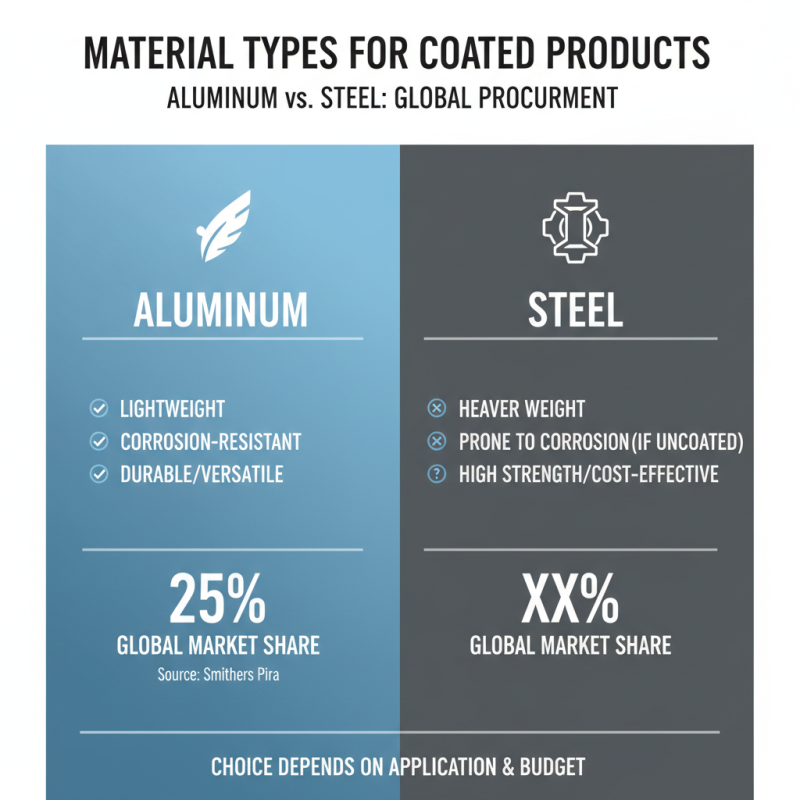
When choosing color coated products for global procurement, evaluating material types is crucial. Aluminum and steel are two common options, each with distinct characteristics. Aluminum is lightweight, corrosion-resistant, and offers excellent durability for various applications. According to a recent industry report by Smithers Pira, aluminum coated products account for approximately 25% of the global market share due to their versatility and performance.
Steel, on the other hand, is known for its strength and cost-effectiveness. It tends to be heavier, but it offers superior mechanical properties, making it suitable for heavy-duty applications. A study from the Global Steel Innovations Forum indicates that over 60% of coated product applications use steel, especially in construction and automotive sectors where structural integrity is paramount.
Both materials come with their own challenges. Aluminum is often more expensive and may not be as readily available in certain regions. Steel products require careful evaluation against corrosion, depending on the environment they are used in. Careful consideration of these factors is essential for effective procurement strategies. Buyers should weigh the advantages of each material against their specific needs and regulatory requirements.
Assessing Coating Techniques: PVDF vs. Polyester for Durability
When selecting color coated products for global procurement, understanding coating techniques matters significantly. Among the most common options are PVDF and Polyester. Each technique offers unique characteristics that influence durability and aesthetic appeal.
PVDF (Polyvinylidene Fluoride) coatings are often praised for their outstanding resistance to weather, UV radiation, and chemicals. Buildings exposed to harsh environments, like coastal or industrial areas, benefit from such coatings. They maintain color integrity and resist fading over time. However, applying PVDF can be costly and requires specialized expertise. Some may overlook this critical factor and later face higher maintenance costs due to improper installation.
In contrast, Polyester coatings provide an economical choice for less demanding applications. They deliver satisfactory performance in moderate environments, but their longevity under extreme conditions is a concern. While Polyester may save initial costs, it often needs early re-coating or replacement. Buyers should weigh these trade-offs carefully. Choosing a coating should not be a mere cost exercise; durability must align with environmental challenges. Each option presents trade-offs, urging procurement professionals to consider long-term implications before making a decision.
Analyzing Market Trends: Demand and Supply in Color Coated Industries
In the color coated industry, understanding market trends is essential. Demand for color coated products is rising, driven by construction and manufacturing sectors. These industries require durable and visually appealing materials. Fluctuations in raw material prices can impact supply, leading to price volatility. Companies must stay informed about these changes to make smart purchasing decisions.
Analyzing the global supply chain is critical. Different regions may have varying availability of color coated materials. Local suppliers may offer more reliable delivery times. However, they might not provide the latest technology or color options. Global procurement strategies should take into account logistical challenges, like shipping times and costs. Striking a balance between cost savings and quality is necessary for effective sourcing.
Market trends can be unpredictable. A surge in demand can lead to supply shortages. Companies must adapt quickly to these shifts. Building strong relationships with suppliers can help mitigate risks. Regularly reviewing market analytics allows for timely adjustments to procurement strategies. Reflecting on past choices also aids in making better-informed decisions.
Sourcing Strategies: Selecting Reliable Suppliers for Global Procurement
When selecting reliable suppliers for color coated products in global procurement, understanding the market landscape is vital. Many suppliers claim to offer premium quality, but distinctions often lie in their production practices. Buyers should consider not only the product but also the supplier's reputation. Researching reviews and testimonials can provide valuable insights.
Engaging with potential suppliers through direct communication can reveal their responsiveness and transparency. Ask specific questions about their sourcing, production processes, and quality control measures. It is essential to know how they handle issues. Additionally, visiting suppliers' facilities, when possible, can offer a real sense of their operation. This also helps in assessing whether they meet industry standards.
Establishing a long-term relationship with a reliable supplier may require patience. Misunderstandings can arise, leading to delays and frustrations. Regular follow-ups and fostering open lines of communication are essential. This ensures that both parties have aligned expectations. Reflect on previous experiences and learn where adjustments may be needed in your sourcing strategies moving forward.
Color Coated Products Procurement Data
This chart illustrates the percentage of different color coated products sourced globally. The data highlights the distribution of procurement in various product categories.