Leave Your Message

What Is Structural Steel and What Types Are Available?

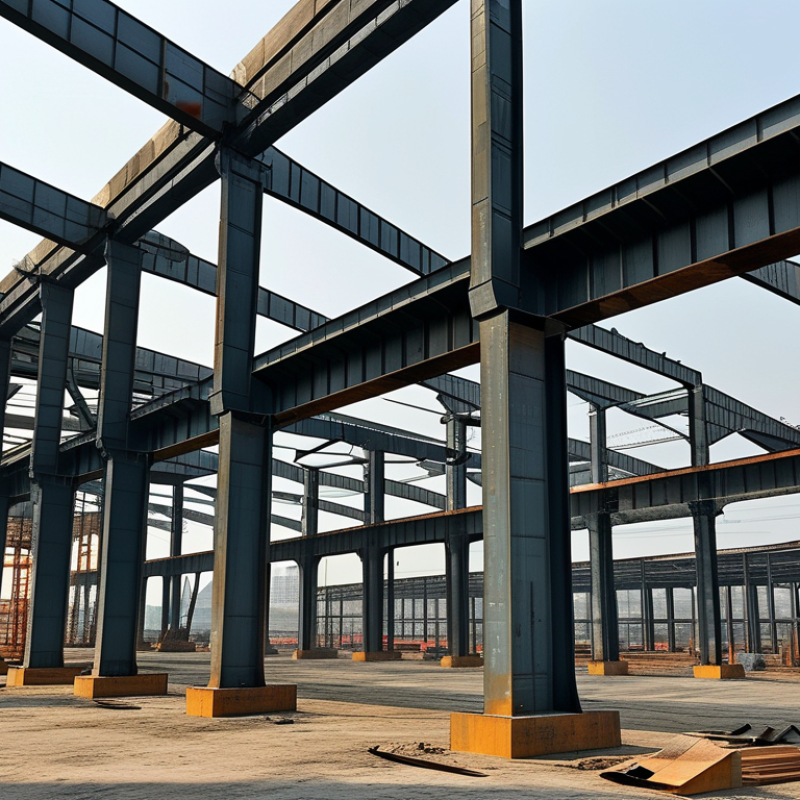
Structural Steel is the quiet framework behind many bridges, warehouses, stadiums, and high-rise buildings. It carries loads, resists wind, and helps buildings span open spaces. Yet it is more than heavy metal assembled on site. Its performance depends on grade, shape, connection, coating, fabrication, and careful inspection.

Structural engineer Fazlur Rahman Khan once said, “A technical man must also be a poet at heart.” His words fit Structural Steel remarkably well. Engineers must calculate strength, but they must also understand space, movement, cost, and human use. A steel column may look simple. Its location can influence an entire floor plan.

This guide explores what Structural Steel means and how its main types differ. It will examine carbon steel, alloy steel, stainless steel, and weathering steel. It will also introduce common forms, including beams, channels, angles, plates, and hollow sections. Each option has practical advantages and limitations.

The details matter.

For example, a wide-flange beam can support long spans efficiently. A hollow section can provide strength with a clean profile. Weathering steel may develop a protective surface, but local climate can affect its reliability. That point deserves caution. No material is perfect in every environment.

Choosing steel requires more than comparing price per ton. Designers must consider loads, fire protection, corrosion exposure, welding requirements, availability, and maintenance. Certified mill records and qualified inspections add confidence. Still, specifications can be misunderstood, and site conditions can change. Good decisions leave room for verification, not assumptions.
What Is Structural Steel and What Types Are Available?

Definition and Core Characteristics of Structural Steel

What Is Structural Steel and What Types Are Available?

Definition and Core Characteristics of Structural Steel

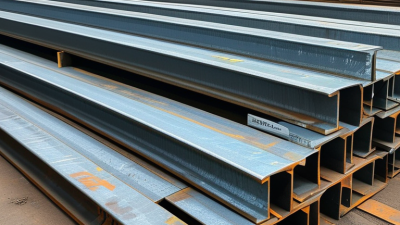
Structural steel is steel engineered to carry loads in buildings, bridges, towers, and industrial frames. It commonly appears as beams, columns, channels, angles, hollow sections, and plates. Carbon steel dominates many projects, while low-alloy grades offer higher strength or improved toughness. The correct choice depends on span, load, connection method, temperature, and corrosion exposure.

Its defining feature is a high strength-to-weight ratio. A well-designed section can support heavy loads without creating an oversized frame. Structural steel also has predictable mechanical properties, useful ductility, and strong prefabrication potential. It can be cut, drilled, welded, and bolted with controlled tolerances. Still, “strong” does not mean invulnerable. Heat reduces strength, and moisture can initiate corrosion at exposed edges, joints, and damaged coatings. Detailing matters more than many buyers expect.

Industry scale adds context. The World Steel Association reported about 1.84 billion tonnes of crude steel production in 2024, showing the material’s global industrial reach. The International Energy Agency estimates iron and steel generate roughly 7–9% of global energy-related emissions. That figure should influence material selection, reuse planning, and fabrication efficiency. Steel is highly recyclable, but recovery is not automatic; buildings may remain in service for decades, and connections can complicate dismantling. This is where specifications sometimes fall short. A grade listed on paper does not guarantee a durable structure unless inspection, traceability, and site workmanship support it.


How Structural Steel Is Manufactured and Classified

What Is Structural Steel and What Types Are Available?

Structural steel begins with iron ore, recycled scrap, or both. Producers melt these materials in basic oxygen furnaces or electric arc furnaces. Oxygen refining removes unwanted carbon and impurities. Continuous casting then forms semi-finished slabs, billets, or blooms. These shapes pass through heated rollers, which create beams, plates, channels, and hollow sections.

The World Steel Association reported approximately 1.89 billion tonnes of crude steel production in 2023. This scale shows why process control matters. Small chemistry changes can affect strength, weldability, and dimensional stability. Engineers classify structural steel by chemical composition, mechanical performance, and product shape. Carbon steel offers practical strength for many building frames. High-strength low-alloy steel uses small alloy additions for improved strength and reduced weight. Weathering grades develop a protective surface layer under suitable exposure conditions.

Standards typically define yield strength, tensile strength, elongation, impact toughness, and testing methods. A certified mill test report records these values for each production heat. It may also show thickness, heat number, and delivery condition. Inspectors compare those details with the project specification before fabrication.

Classification is not always simple. A stronger grade may increase welding demands. Thicker plate can behave differently during cooling. In field work, I have seen drawings look correct while material traceability remained incomplete. That is a costly weakness. Manufacturing data, inspection records, and fabrication experience must be read together.

Common Types and Shapes of Structural Steel

Structural steel is steel shaped to carry building loads safely and predictably. Common types include carbon steel, high-strength low-alloy steel, and stainless steel. Carbon steel suits many beams, columns, and frames because it balances strength, cost, and weldability. High-strength low-alloy steel supports longer spans with less material. Stainless steel resists corrosion, but its higher cost limits routine structural use.

Shape controls how steel responds to force. I-beams and H-beams carry bending loads efficiently in floors, bridges, and industrial frames. Channels work well for edge members, supports, and secondary framing. Angles are useful for bracing, small connections, and tower components. Hollow structural sections, including square, rectangular, and round tubes, offer clean lines and strong resistance to twisting. Steel plates and flats connect or reinforce these members.

Selection depends on load, span, connection design, exposure, fire protection, and fabrication equipment. A coastal project may need stronger corrosion planning than an indoor warehouse. Engineers also check local standards, mill certificates, weld procedures, and visible surface defects. A useful field lesson is simple: the largest section is not always the safest choice. It can add weight, cost, and connection problems. I have seen design assumptions change after real measurements, so early verification matters. Calculations are essential, yet site conditions can still challenge a perfect drawing.

Key Properties and Performance Standards

Structural steel is engineered to carry loads safely in buildings, bridges, platforms, and industrial frames. Its performance depends on more than appearance or grade labels. Engineers examine yield strength, tensile strength, elongation, toughness, and weldability. Yield strength shows when permanent deformation begins. Tensile strength measures the maximum pulling force before fracture. Ductility matters during sudden loading. It allows steel to deform before failing.

Several types are available. Carbon structural steel suits general construction and moderate loading. High-strength low-alloy steel provides greater strength with less material, which can reduce member weight. Weathering steel develops a protective surface layer in suitable environments, but drainage and exposure must be assessed carefully. Stainless structural steel resists corrosion strongly, although its higher cost requires practical justification. These options are not interchangeable. Temperature, humidity, fire exposure, connection design, and fabrication methods affect selection.

Performance standards make these properties measurable. Common specifications define chemical composition, mechanical testing, dimensions, tolerances, and inspection procedures. Regional systems may use different designations, so the project documents must identify the governing standard clearly. Mill certificates should be checked against heat numbers and required test values. On site, inspectors often verify markings, plate thickness, weld quality, and visible distortion. Small errors matter. A missed tolerance or poorly prepared joint can affect alignment and load transfer. In practice, engineers sometimes focus heavily on strength and overlook toughness, corrosion allowance, or fabrication limits. That habit deserves review. Structural steel performs reliably when its grade, condition, connections, and environment are considered together.

What Is Structural Steel and What Types Are Available? — Key Properties and Performance Standards

Common structural steel categories, representative specifications, mechanical properties, and typical construction uses.

Steel Type Representative Standard and Grade Typical Products Minimum Yield Strength Minimum Tensile Strength Key Performance Characteristics Typical Applications
Carbon Structural Steel ASTM A36 Plates, bars, angles, channels, beams and other rolled shapes 250 MPa
(36 ksi)
400–550 MPa
(58–80 ksi)
General-purpose structural steel with good weldability, machinability and formability. Strength is lower than many modern high-strength grades. Frames, platforms, base plates, brackets, buildings and general fabricated structures
High-Strength Low-Alloy Steel ASTM A572 Grade 50 Plate, sheet, bars and structural shapes 345 MPa
(50 ksi)
450 MPa
(65 ksi)
Higher strength-to-weight ratio than basic carbon steel. Suitable for welded and bolted construction when the applicable fabrication requirements are followed. Bridges, building frames, heavy equipment supports, towers and transport structures
W-Shapes for Building Frames ASTM A992 Wide-flange beams and columns 345 MPa
(50 ksi)
450 MPa minimum
(65 ksi)
Controlled yield-to-tensile ratio and specified chemical limits support predictable behavior and reliable welding in building construction. Columns, beams, transfer girders and moment-resisting frames
Weathering Structural Steel ASTM A588 Grade 50 Plates, bars and structural shapes 345 MPa
(50 ksi)
485 MPa
(70 ksi)
Forms a protective patina under suitable wet-dry exposure. It is not automatically corrosion-proof and may be unsuitable in continuously wet, marine or heavily polluted conditions. Bridge girders, architectural façades, outdoor structures and exposed steelwork
European Non-Alloy Structural Steel EN 10025-2 S235JR Sections, plates, bars and flat products 235 MPa
for common thickness ranges
360–510 MPa General structural grade with good fabrication characteristics. Mechanical properties can vary with product thickness and delivery condition. General building frames, supports, platforms and fabricated components
European High-Strength Structural Steel EN 10025-2 S355J2 Plates, sections, bars and structural hollow products 355 MPa
for common thickness ranges
470–630 MPa Higher strength than S235 grades, with specified impact toughness at sub-zero temperature for the J2 designation. Heavy building frames, bridges, industrial structures and crane-supporting structures
Structural Hollow Sections ASTM A500 Grade C Round, square and rectangular hollow structural sections Grade-dependent; commonly up to 345 MPa
(50 ksi)
Grade-dependent; commonly up to 425 MPa
(62 ksi)
Efficient torsional performance, clean architectural appearance and favorable strength-to-weight characteristics. Welding requires suitable procedures and joint detailing. Columns, trusses, bracing, space frames, railings and architectural structures
Fine-Grain Structural Steel EN 10025-3 S355N Normalized or normalized-rolled plates and sections 355 MPa
for common thickness ranges
490–630 MPa Fine-grain structure provides improved toughness and consistent performance in demanding welded applications. The exact properties depend on thickness and product form. Bridges, pressure-supporting structures, heavy machinery and demanding industrial frames
Quenched and Tempered Structural Steel EN 10025-6 S690Q High-strength structural plates 690 MPa
for specified thickness ranges
770–940 MPa Very high strength can reduce member weight, but fabrication requires strict control of welding heat input, preheating, consumables and detailing. Heavy lifting equipment, cranes, transport structures and high-load industrial components

Technical note: Values shown are representative minimum or specified ranges for the listed grades. Actual requirements may vary by product form, thickness, test direction, delivery condition and edition of the governing standard. Structural design must also consider elastic modulus, buckling, fatigue, fracture toughness, fire exposure, corrosion environment, connection design and applicable building codes.

Typical Applications and Selection Considerations

Structural steel is a strong, recyclable material shaped for predictable performance. Common forms include I-sections, H-sections, channels, angles, plates, and hollow sections. Each profile places steel where forces usually occur. This can reduce weight while maintaining useful strength.

Typical applications include building frames, warehouses, bridges, towers, platforms, and equipment supports. An I-section may suit a long floor beam, while hollow sections can create clean, rigid columns. Plates are useful for base connections, gussets, and custom assemblies. In a busy workshop, profile choice also affects cutting time, welding access, lifting, and final inspection. A theoretically efficient section may become impractical if fabrication is difficult.

Tips: Start with the actual load, span, support condition, and service environment. Check bending, shear, buckling, vibration, and connection forces with a qualified engineer. Outdoor steel may need a suitable corrosion-control system, especially near saltwater or persistent moisture. Fire exposure can also reduce strength and require protective design. Confirm grade, thickness tolerance, weldability, and traceable test documentation before purchasing. Local structural codes should guide the final decision.

Cost should include transport, surface preparation, installation, maintenance, and future repair access. Recycled content can support sustainability, but availability and verified quality still matter. No selection rule is perfect. Designers sometimes favor a lighter section, then discover that connection details or deflection control govern the project. Small practical checks often prevent expensive changes later.