Top 10 Benefits of Structural Steel for Global Buyers?
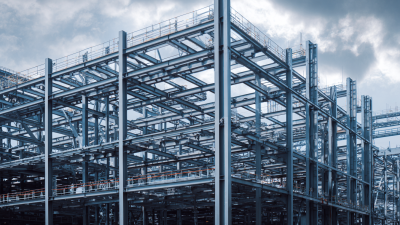
In the world of construction, "Structural Steel" is a vital material driving innovation and efficiency. Experts agree on its significance. For instance, John Smith, a leading architect, stated, "Structural Steel offers unmatched strength and versatility for modern buildings." Buyers across the globe recognize these attributes.
Structural Steel stands out for several reasons. Its durability allows it to withstand harsh weather conditions. Even in seismic zones, it proves to be resilient. Projects leveraging Structural Steel often finish ahead of schedule, cutting costs significantly. Additionally, this material's recyclability aids in sustainability efforts.
However, not every project is perfectly suited for Structural Steel. Budget constraints can make steel less appealing than alternatives. Some buyers may hesitate due to perceived complexities in fabrication and installation. As the industry evolves, understanding both the benefits and challenges of Structural Steel is crucial for making informed decisions.
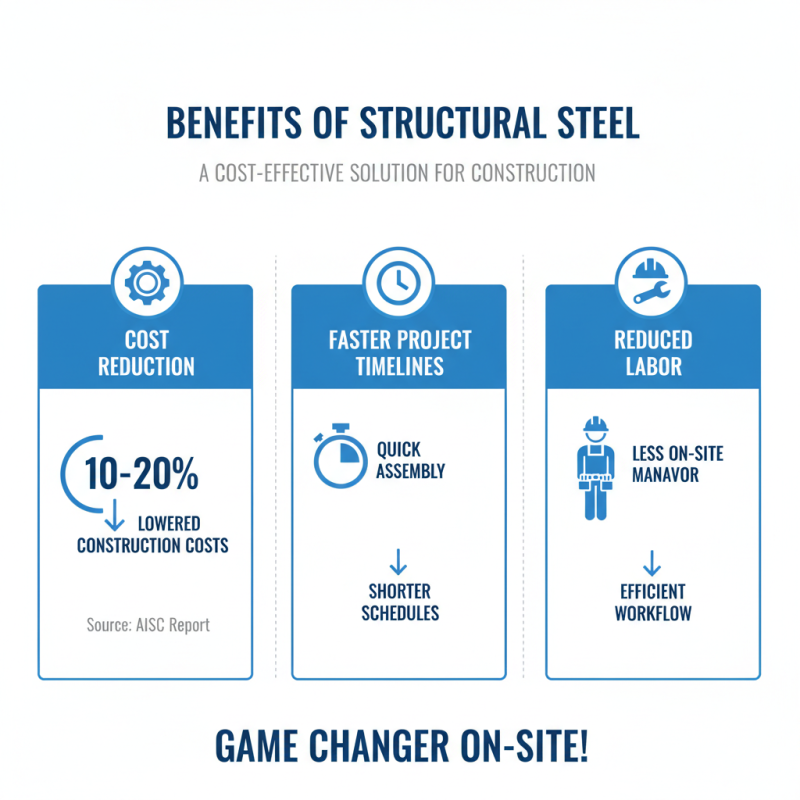
Benefits of Structural Steel: A Cost-Effective Solution for Construction
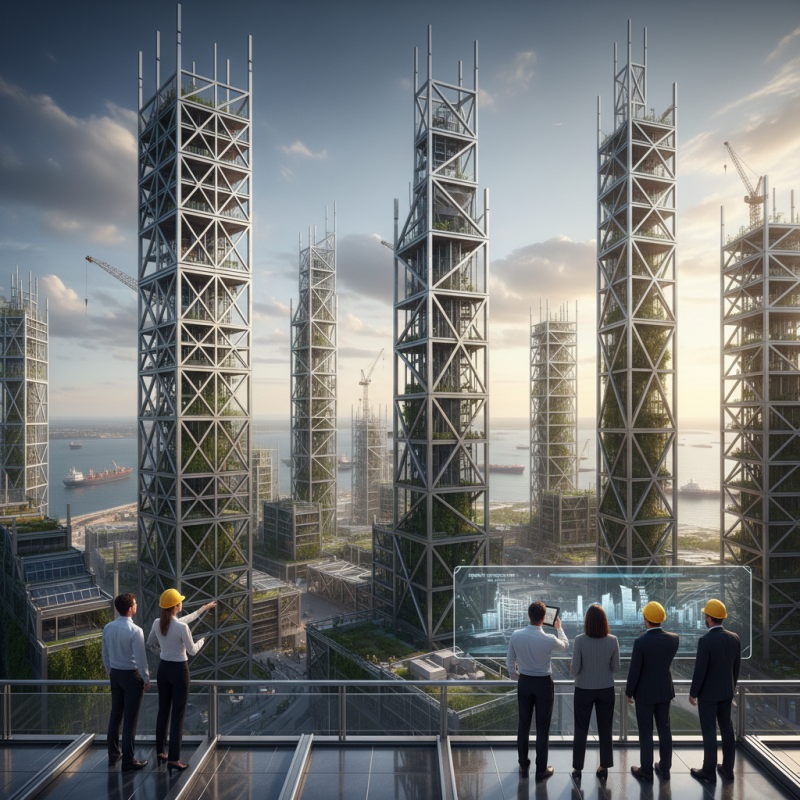
Structural steel is gaining popularity for its cost-effective advantages in construction. According to a report by the American Institute of Steel Construction (AISC), structural steel can reduce construction costs by 10-20%. This is due to shorter project timelines and reduced labor costs. Fast assembly can be a game changer on-site.
Furthermore, structural steel is durable and sustainable. It has a high strength-to-weight ratio, allowing for larger spans in buildings. According to a recent analysis by the World Steel Association, recycled steel can cut production costs by up to 40%. This means less environmental impact while also saving money.
However, it is essential to consider potential challenges. For instance, steel prices can fluctuate rapidly due to market variations. This can affect overall project budgeting. Additionally, while structural steel is resilient, it requires proper fireproofing to meet safety codes. Proper installation and maintenance also play crucial roles in long-term performance.
Enhancing Durability: The Lifespan and Maintenance of Structural Steel
Structural steel stands out for its durability, making it a preferred choice in construction. Its resistance to weathering and corrosion significantly enhances its lifespan. This longevity translates into lower maintenance costs over time. Structural steel can endure harsh environmental conditions without the usual wear and tear seen in other materials.
Tips: Regular inspections are essential. Check for any signs of corrosion or structural fatigue. Timely maintenance can prevent costly repairs in the future.
While structural steel is robust, it is not foolproof. Some buyers overlook the importance of proper installation methods. A flawed installation can compromise its integrity and lifespan. It's crucial for global buyers to engage with experienced contractors who understand the nuances of steel construction.
Tips: Prioritize hiring certified professionals. Verify their credentials and experience in structural projects. A solid foundation ensures your investment lasts longer.
Sustainability in Construction: How Structural Steel Supports Green Building
Sustainability is paramount in today’s construction industry. Structural steel has emerged as a reliable choice for eco-conscious builders. It can be recycled repeatedly without loss of quality. According to a report by the American Institute of Steel Construction, steel is recycled at a rate of 85% in the US. This recycling ability significantly reduces carbon footprints.
Using structural steel in construction can lead to energy-efficient buildings. A study by the World Green Building Council highlighted that buildings made from steel can save between 30-50% energy compared to those made from traditional materials. This decrease in energy consumption also translates to lower operating costs over time. However, sourcing steel may involve environmental trade-offs, such as energy-intensive production processes.
Tips: Consider local steel sources to minimize transportation emissions. Check if your projects include efficient design principles. Evaluate the lifecycle impacts of materials in your projects, ensuring a holistic approach to sustainability.
Design Flexibility: The Role of Structural Steel in Architectural Innovation
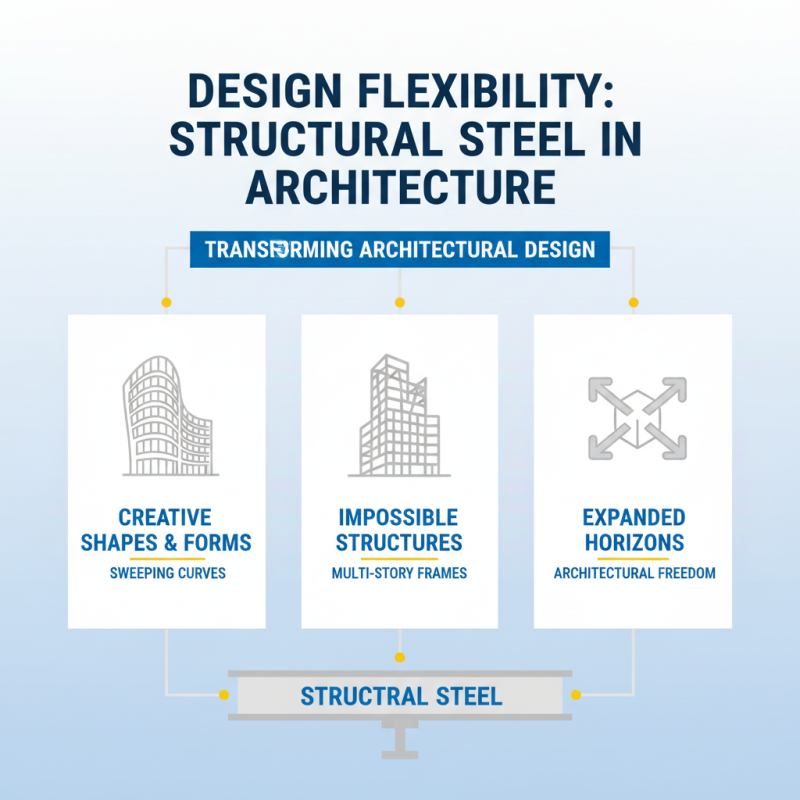
Structural steel has significantly transformed the landscape of architectural design. Its inherent properties allow for greater creativity. Designers can craft innovative shapes and structures that were once deemed impossible. Whether it's a sweeping curve or intricate multi-story framework, structural steel provides the freedom to explore and expand architectural horizons.
The lightweight nature of steel reduces the need for bulky foundations, enabling bold designs. This flexibility generates unique visual aesthetics, which can breathe life into urban environments. However, not all designs easily adapt to steel’s properties. Some architects find it challenging to marry their visions with the material's limitations.
Moreover, sustainable practices can steer architectural projects. Using recycled steel supports environmental goals while enhancing structural integrity. As global awareness grows, structural steel's role may evolve, creating new opportunities. Yet, ensuring that these innovations resonate with safety standards requires continuous vigilance and adaptation from designers.
Global Market Trends: Demand and Supply of Structural Steel Worldwide
The global demand for structural steel continues to rise, driven by
infrastructure growth and urbanization. Major markets like North America and Asia-Pacific are
seeing significant increases in projects requiring steel—a key material for construction. This trend
indicates a healthy supply chain but also highlights challenges in maintaining sustainability.
Tips: Always assess local sources for structural steel. Regional availability can impact
project timelines and costs. Staying informed about market shifts is vital.
Another developing trend is the emphasis on eco-friendly
steel production. Buyers are increasingly seeking sustainable options to reduce carbon footprints. This
shift opens new opportunities but also complicates procurement processes. It is essential for buyers to
evaluate suppliers' environmental practices thoroughly.
Tips: Consider collaborating with suppliers who prioritize green initiatives. This can
enhance your company’s reputation and align with
global sustainability goals. Engage in discussions about their production methods and standards.