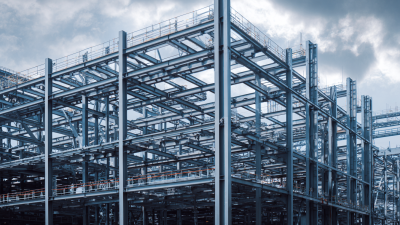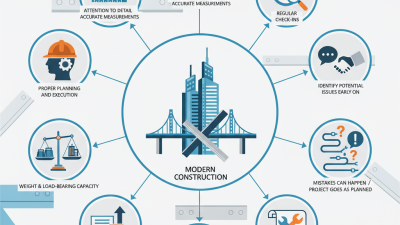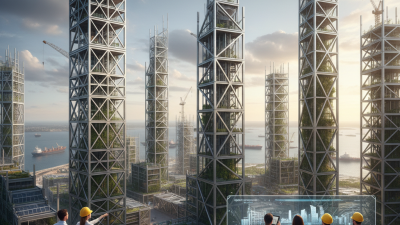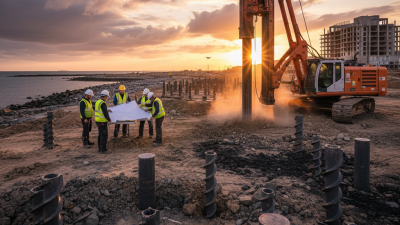
Structural Steel plays a pivotal role in modern construction and engineering. The versatility and strength of this material enable a wide range of applications. According to the World Steel Association, global steel production reached 1.9 billion tons in 2020. This figure highlights the demand for Structural Steel in various sectors.
Renowned structural engineer Dr. Emily Carter stated, "Structural Steel is the backbone of sustainable architecture." Her insight emphasizes the importance of this material in building resilient structures. From skyscrapers to bridges, the applications of Structural Steel are diverse and impactful. Each project showcases its unique qualities, such as durability and resistance to environmental factors.
However, there are challenges in the industry. Quality control and compliance with safety standards are critical. Some projects have faced scrutiny over structural integrity. As the industry evolves, ongoing discussions around sustainability and innovation will shape the future of Structural Steel applications. Understanding these aspects is crucial for engineers and architects alike.
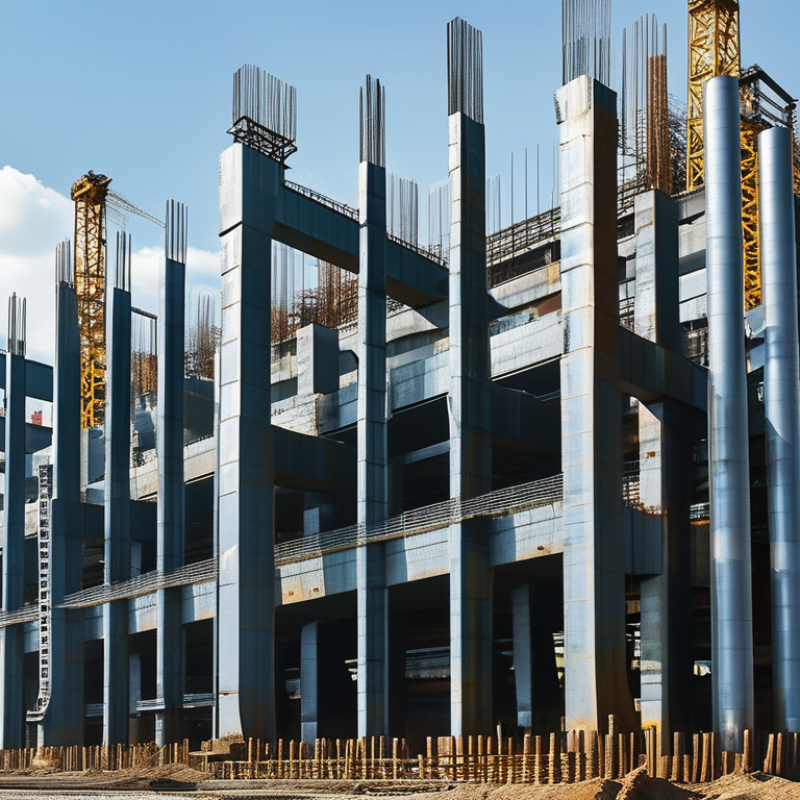
Structural steel plays a crucial role in modern construction. Its
strength-to-weight ratio makes it ideal for various structures.
According to the American Institute of Steel Construction, steel structures can endure heavy loads
and resist natural disasters better than other materials. This durability
results in lower maintenance costs and longer lifespan for buildings. In fact, steel structures generally
last over 50 years, significantly reducing the need for frequent repairs.
When selecting materials, consider these tips. Always analyze the local environment. Climate plays
a significant role in the performance of structural steel. Areas prone to high winds or seismic activity
require careful design. Consult with structural engineers for assessments. Their expertise will help you
avoid costly mistakes.
It's important to recognize some limitations. Fabrication and installation can lead to challenges.
Factors like project timelines and workforce availability may affect your construction schedule.
Always plan ahead. Consistent communication with contractors
is essential. Understanding these complexities will help in achieving project success while ensuring
safety and compliance with local codes.

Steel plays a vital role in modern architecture. Among various applications, building frameworks for skyscrapers and commercial buildings stands out. Structural steel is preferred due to its strength-to-weight ratio and resistance to environmental factors. According to a report from the American Institute of Steel Construction, nearly 90% of new buildings utilize steel as the primary material.
In urban areas, skyscrapers redefine the skyline. Structural steel allows for the creation of tall, robust frameworks. These buildings often exceed 1,000 feet in height. This achievement is not without challenges. Designers must account for wind loads and seismic activity. A study by the Council on Tall Buildings and Urban Habitat highlights that wind-related design failures are common in skyscrapers.
Commercial buildings also benefit from steel structures. The rapid construction process and flexibility in design make steel an attractive option. However, not all projects harness its advantages effectively. Poor planning can lead to delays and increased costs. A report by industry analysts showed that up to 25% of steel structures face issues during construction. Emphasizing thorough planning and expert consultation remains crucial for successful execution.
Bridges and highways are essential to modern infrastructure. Structural steel plays a critical role in their construction. Its strength and durability make it the go-to material for supporting heavy loads. Steel structures can span long distances without needing many supports. This capability is vital for bridges, where space and aesthetics matter.
Highways also benefit from steel. The metal's resilience against harsh weather conditions ensures longevity. Steel can endure the wear and tear from vehicles over time. However, maintenance is crucial. Rust and corrosion can weaken steel, impacting safety. Regular inspections are necessary to ensure structural integrity.
Using steel in these projects requires careful planning. Not all locations are suitable for steel construction. The environmental impact of mining and producing steel is significant. Sustainable practices can help, but challenges remain. Engineers must consider all these factors when designing infrastructure. Balancing efficiency and environmental responsibility is not easy.
Structural steel plays a crucial role in the construction of warehouses and factories. According to industry reports, industrial buildings often utilize steel due to its strength and durability. Nearly 85% of large-scale warehouses use structural steel for their frameworks. This material allows for flexible designs and can efficiently accommodate large open spaces, essential for storage operations.
Moreover, structural steel’s ability to withstand adverse conditions makes it ideal for factories. With a lifespan of over 50 years, steel structures require less maintenance than traditional building materials. However, not every project appropriately considers the specific requirements of the intended use. Some designs may overlook thermal insulation, leading to increased operational costs.
In the heavy manufacturing sector, approximately 60% of factories have adopted steel frames. This shift aids in meeting high loading requirements while improving safety standards. Yet, potential issues like corrosion must factor into maintenance plans. These considerations highlight the necessity of expert knowledge in the design and execution phases to ensure longevity and performance within industrial applications.
| Application | Description | Common Uses | Advantages |
|---|---|---|---|
| Warehouses | Steel structures provide open spaces for storage and operations. | Storage buildings, distribution centers | Cost-effective, quick construction, large spans |
| Factories | Ideal for heavy manufacturing processes. | Assembly plants, production facilities | Durability, design flexibility, scalability |
| Bridges | Supports large spans and heavy loads. | Highway bridges, pedestrian walkways | Strength, longevity, aesthetic flexibility |
| High-Rise Buildings | Framework capable of supporting multiple stories. | Office towers, residential buildings | High strength-to-weight ratio, earthquake resistance |
| Industrial Towers | Used for utilities and telecommunications. | Radio towers, transmission towers | Height, structural resilience, low maintenance |
| Railway Structures | Frameworks supporting railway systems. | Bridges, tracks, stations | Durable under heavy loads, safety |
| Oil & Gas Platforms | Supports drilling and processing activities offshore. | Drilling rigs, production platforms | Corrosion resistance, width for equipment |
| Stadiums | Framework for large public venues. | Sporting arenas, concert halls | Flexibility in design, large open spaces |
| Storage Tanks | Structures for storing liquids and gases. | Water, chemicals, fuel | Safety, custom sizes, durability |
Stadiums and observation towers are magnificent examples of specialized structures using structural steel. Their designs showcase the versatility of steel, allowing architects to create expansive spaces and complex shapes. Large columns support wide spans, creating unobstructed views for spectators. Lightweight materials and prefabrication reduce construction time, making these structures appealing to builders and cities alike.
However, challenges exist in building such structures. Engineers must consider wind loads, seismic forces, and building codes. Collaboration between architects and engineers is vital to address these concerns. Furthermore, the visual impact of a tower on its skyline demands careful aesthetic planning. Some structures, while impressive, may clash with their surroundings, leading to public debate about their design.
Stadiums often serve more than just sports events. They become community hubs, hosting concerts and festivals. Observation towers offer breathtaking views but may deter visitors due to height. Balancing functionality and visitor experience is essential. Reflecting on these aspects can lead to better designs and stronger community ties.