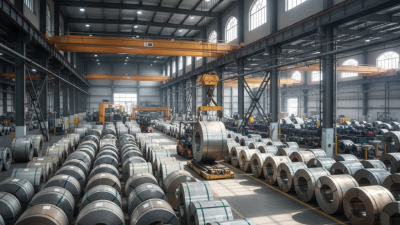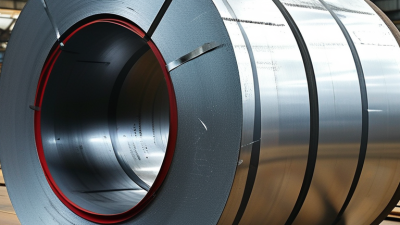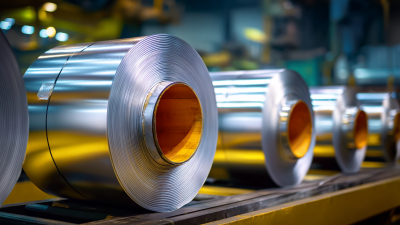
Choosing a Metal Coil supplier is not simply a matter of comparing prices. Buyers must consider material grades, coating consistency, dimensional tolerances, production capacity, and delivery reliability. A coil that looks flawless on arrival can still create problems if its thickness varies or its protective finish fails during processing. Details matter.
World Steel Association Director General Edwin Basson has emphasized that “steel is fundamental to modern infrastructure and everyday life.” That perspective helps explain why supplier selection deserves careful attention. Metal Coil products feed construction, automotive manufacturing, appliances, energy projects, and many other industries. A dependable supplier supports more than a purchase order; it helps keep production schedules on track.
This guide examines leading suppliers worldwide and the practical differences buyers should investigate. It considers product range, manufacturing footprint, quality systems, technical support, and service for regional markets. A global name is not automatically the right choice. Not just price. Lead times, minimum order quantities, packaging, and responsiveness can matter just as much, especially when production plans change.
The comparison also has limits. Supplier capabilities vary by plant, product specification, and market, so rankings cannot replace direct verification. Request current certifications, coil data, and sample documentation before making a decision. Check the details yourself. The strongest shortlist balances proven scale with the ability to meet your exact requirements—and sometimes a less famous supplier may be the better fit.
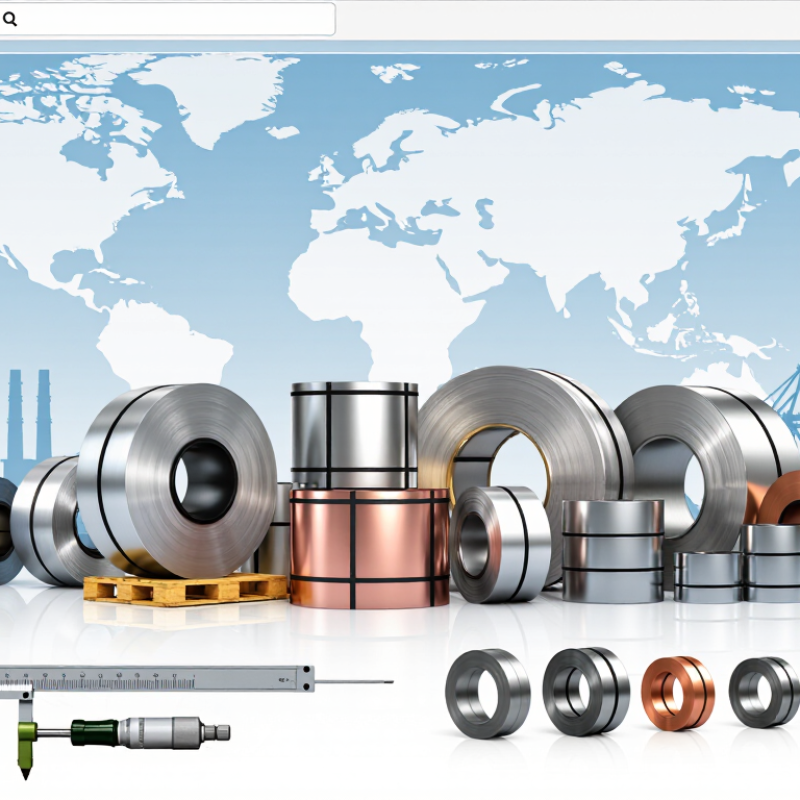
Metal coil products serve different needs depending on their alloy, coating, thickness, and forming method. Carbon steel coil is widely used for structural parts, shelving, and vehicle components because it can be cut and shaped efficiently. Galvanized steel adds a zinc coating that helps resist corrosion in roofing, ductwork, and outdoor enclosures. Stainless steel coil suits food-processing equipment, medical fixtures, and chemical environments where cleanliness and corrosion resistance matter. Aluminum coil is lightweight and common in building panels, heat exchangers, and transport parts. The right choice depends on the service conditions, not just the price per ton.
Coil-fed lines can stamp, roll-form, slit, or cut material into sheets, reducing handling between operations. On a factory floor, consistent thickness helps keep forming pressure predictable; uneven edges can create scrap or slow a line. Details matter. Buyers should check the stated grade, coating weight, width tolerance, and surface finish against the actual process. A painted coil may arrive looking ready for panels, yet scratches during uncoiling can still affect the finished appearance. Even careful specifications do not remove every risk. Fit comes first, and a small production trial can reveal issues that a data sheet misses.
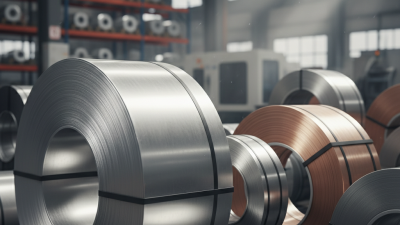
Metal coil supply is organized as a chain, not a single marketplace. Steelmakers turn slabs into hot-rolled coil, then further processing can produce thinner cold-rolled or coated material. Aluminum and other metals follow their own production routes, but buyers face similar questions: grade, thickness, width, coating, and delivery form. Small specifications matter.
The World Steel Association’s World Steel in Figures 2024 reports global crude steel production of 1,888.2 million tonnes in 2023. That scale helps explain the market’s layered structure: large mills supply major volumes, while service centers hold inventory, slit wide coils, and serve regional manufacturers. A fabricator may need a narrow strip delivered beside a press line, not a full mill-sized coil. Local stock and processing can be decisive.
Trade flows connect these layers across regions, but capacity and freight conditions can shift availability. OECD steel-market monitoring has repeatedly highlighted global excess capacity as a structural concern; nominal capacity does not guarantee a suitable coil is ready nearby. Buyers often compare mill certificates, lead times, and dimensional tolerances alongside price. The map is less tidy than charts suggest. Coil categories and reporting methods also differ, so published market totals should be treated cautiously.
When comparing metal coil suppliers worldwide, look beyond price and catalog size. Check whether the supplier can provide the alloy, temper, thickness, width, and coating your process requires. Ask for recent inspection records and a sample material certificate tied to the quoted specification. Verify that measurements and tolerances are clearly stated, not merely described as “standard.” Small differences matter. A few tenths of a millimeter can affect stamping, slitting, or forming results.
Compare packaging and shipment practices, too. Ask how coils are protected from moisture, edge damage, and movement during transit. Review lead times against your production schedule, and confirm how the supplier handles shortages or nonconforming material. A low quote may exclude testing, packaging, or freight. Put those costs beside the unit price before deciding. Paperwork helps, but it does not prove every coil will arrive in perfect condition.
Tips: Request a trial coil before committing to a large order. Record its dimensions, surface condition, and processing behavior. Keep photos and inspection notes for later comparison. A supplier may perform well on paper yet struggle with communication during a delay; test response times early. No comparison is flawless, and that uncertainty deserves attention.
Metal coil suppliers are concentrated in regions with strong steel, aluminum, and processing industries. East Asia offers extensive production capacity, supported by large mills, port networks, and established service centers. Buyers can often compare hot-rolled, cold-rolled, and coated coils from several nearby sources. Availability still varies by grade and specification. A broad regional market does not guarantee that every supplier can meet a tight delivery window.
Europe combines major metal-producing centers with specialized processors. Suppliers there commonly serve automotive, construction, packaging, and energy customers. Technical documentation and traceability can be important selection criteria, especially for projects with strict quality requirements. Ask for mill test certificates, coating details, and coil tolerances before placing an order. Small differences matter. A coil’s edge condition or thickness variation can affect downstream cutting and forming.
North America has a substantial network of mills, service centers, and distributors. Regional sourcing may help reduce transit time, though domestic availability can shift with demand and maintenance schedules. South America and parts of the Middle East also supply metal coils, often supported by local ore, energy, or port infrastructure. Compare not only quoted price, but also minimum order quantity, packaging, and shipping terms. Regional strengths are useful guides, not guarantees; supplier performance should be checked against the actual grade, volume, and delivery route.
What Are the Top Metal Coil Suppliers Worldwide?
Top metal coil suppliers are not selected by price alone. Quality assessment starts with clear material specifications. Check grade, thickness tolerance, width accuracy, surface finish, and coil weight. Request recent mill test certificates and independent inspection records. Traceability should connect each coil to its heat number, production date, and inspection results. A sample coil can reveal edge cracks, uneven winding, or surface marks that photographs often hide.
Capacity requires more than a large factory. Ask about monthly output for your exact alloy, width, and thickness. Review rolling mill capability, slitting equipment, annealing capacity, and warehouse controls. A supplier may advertise impressive tonnage, yet lack suitable equipment for narrow or customized coils. Confirm normal lead times using documented shipment data. Small trial orders can expose scheduling pressure early.
Reliability is measured during difficult periods. Evaluate backup power, raw material access, maintenance planning, and alternative transport arrangements. Speak with recent customers about delivery consistency and complaint handling. Fast replies matter, but accurate replies matter more. I would also test one shipment before signing a long contract. That may feel inefficient.
A polished audit is not proof of flawless performance. Records can be incomplete, and forecasts can be optimistic. Suppliers should explain weaknesses without hiding them. Clear corrective actions, realistic commitments, and consistent communication usually indicate stronger operational maturity. Forecasts change. Good suppliers adapt without sacrificing inspection standards.