What is Steel Coil and How to Choose the Best Option?
Steel coil is an essential material used in various industries, from automotive to construction. It is characterized by its rolled sheet form, which facilitates ease of handling and storage. According to Jessica Martin, a renowned expert in the metallurgy industry, “Choosing the right steel coil can greatly affect the quality of your finished product.” Her insights underline the importance of making informed choices.
Selecting the best steel coil involves understanding the different grades and finishes available. It is critical to consider thickness, width, and coating types. However, many often overlook these vital details. Proper guidance is essential to avoid costly mistakes. A wrong choice can lead to delays or inferior products.
Experts indicate that quality varies across manufacturers. Researching suppliers can yield better results. Nonetheless, navigating through options can be overwhelming. The market is flooded with choices, and not all meet industry standards. Ensuring reliability requires time and effort. Engaging with professionals can clarify options, ultimately leading to better outcomes.
What is Steel Coil and Its Characteristics?
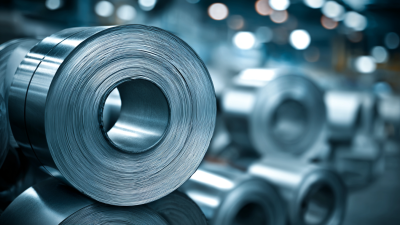
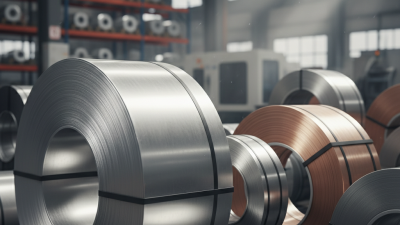
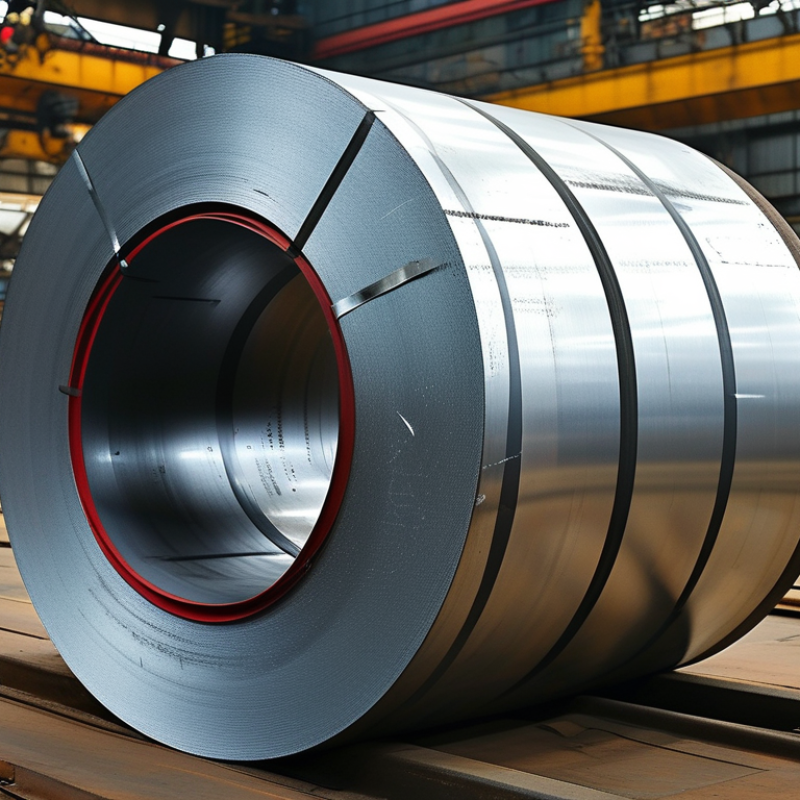
Steel coil is a versatile material used in numerous industries. It consists of flat steel that is rolled into a coil. This process is efficient, allowing for bulk production and easy transportation. The characteristics of steel coil vary based on its thickness, width, and coating. These factors determine its strength and corrosion resistance.
When choosing a steel coil, consider its application. Some require higher tensile strength, while others may prioritize flexibility. Additionally, surface treatment options, such as galvanization, enhance durability. It's essential to evaluate the environment the coil will be used in. Moisture and temperature fluctuations can impact performance.
Not all steel coils are created equal. Poor choices can lead to issues, like rust or structural failures. Always review specifications carefully. Engaging with professionals can provide insights that may not be readily apparent. Understanding your specific needs will lead to better outcomes. Investing time in research is crucial.
What is Steel Coil and How to Choose the Best Option?
| Characteristic |
Description |
Best Use Cases |
| Coil Type |
Hot Rolled, Cold Rolled, and Galvanized |
Structural applications, automotive parts, roofing |
| Thickness |
Ranges from 0.2 mm to 25 mm |
Heavy machinery, construction |
| Width |
Common widths between 600 mm and 2000 mm |
Industrial applications, fabrication |
| Finish |
Matte, Bright, or Coated |
Decorative, automotive, protective coatings |
| Weight |
Depends on thickness and width; typically 2 to 10 tons |
Bulk shipping, large scale production |
Types of Steel Coils Available in the Market
When choosing a steel coil, understanding the various types available is crucial. Steel coils come in several forms, catering to different applications. Hot-rolled steel coils are often used for structural projects. They are created at high temperatures, which makes them pliable. However, they can have a rough surface, which may not be suitable for aesthetic applications.
Another type is cold-rolled steel coils. These are processed at room temperature, offering a smoother finish and tighter tolerances. Cold-rolled coils are commonly used in automotive and appliance manufacturing. While they have superior qualities, they can be more expensive than hot-rolled options.
Galvanized steel coils are coated with a layer of zinc for corrosion resistance. This makes them ideal for outdoor applications and environments prone to moisture. However, the coating process can add complexity, leading some buyers to overlook this option. It’s crucial to weigh the benefits against potential drawbacks, ensuring the choice aligns with project needs. Each type serves different purposes, and understanding these nuances can lead to better decision-making.
Types of Steel Coils Available in the Market
Factors to Consider When Choosing Steel Coils
When selecting steel coils, several important factors must be taken into account. First, consider the grade of steel. Different grades offer various strengths and corrosion resistance levels. Match the grade to your project requirements to ensure durability.
Another key aspect is the coil thickness. The thickness will impact the performance of the final product. Thicker coils typically provide more support, but they may be heavier and less flexible. Balance is crucial.
Tips: Always check the tensile strength. This will indicate how much stress the coil can withstand.
Pay attention to the coil width as well. Depending on your application, you may need a specific size for compatibility. An incorrect width can lead to wasted material and increased costs.
Tips: Measure twice before ordering. Proper measurements can save both time and money.
Additionally, consider the surface finish of the coil. Different finishes, like galvanized or painted, can offer protection against rust and enhance aesthetics. Analyze your needs to choose wisely.
Remember that the best steel coil should meet both functional requirements and budget constraints. Evaluate options carefully to find the right balance.
Applications of Steel Coils in Various Industries
Steel coils play a crucial role in various industries, from automotive to construction. According to the World Steel Association, the global steel production reached 1.9 billion tons in 2022. This demonstrates the high demand for steel products, including coils. Industries often prefer steel coils for their strength, versatility, and cost-effectiveness.
In the automotive sector, manufacturers use steel coils to produce a wide range of parts, such as frames and body panels. The Automotive Industry Action Group indicates that around 60% of a vehicle's weight comes from steel. This reliance underscores the importance of selecting the right steel coil. However, not all coils are suitable for every application. Factors like yield strength and thickness need careful consideration.
Construction also relies heavily on steel coils. The American Iron and Steel Institute noted that steel is a key material for structural frames, roofs, and reinforcements. Steel coils provide the flexibility needed for complex designs. Yet, understanding the specific requirements of each project is vital. An improper choice can lead to structural weaknesses, emphasizing the need for expertise in selection.
Comparative Analysis of Steel Coil Brands and Suppliers
When selecting a steel coil, understanding the variety of brands and suppliers is essential. Each brand tends to have its strengths and weaknesses. Some may excel in quality assurance, while others focus on cost-effectiveness. Examining these elements helps in making an informed choice that aligns with your project requirements.
A key factor is the reputation of the manufacturer. Look for industry reviews and customer feedback. Reliable suppliers often provide warranties and certifications. However, even highly rated brands sometimes face quality issues. It is critical to assess their product history and check for any past inconsistencies.
Availability and delivery times are also pertinent. Some suppliers may promise swift shipping but fail to deliver on time. Inconsistent timelines can halt your project. Therefore, consider suppliers with a proven track record of reliable delivery. Remember, the best choice often lies beyond just price—reliability and quality matter immensely.