Essential Tips for Sourcing Steel Beams Globally?
Sourcing steel beams globally requires careful consideration and strategic planning. These structural components are essential in construction projects worldwide. Understanding the nuances of international procurement can lead to successful outcomes.
When sourcing steel beams, it's vital to evaluate suppliers based on their reliability and reputation. Not all manufacturers offer the same quality. Researching and comparing different vendors can be time-consuming but is necessary for ensuring standards.
Additionally, shipping and logistics play significant roles in the procurement process. Factors like tariffs, transportation costs, and delivery times can impact overall project budgets. Effective communication with suppliers is crucial to avoid misunderstandings. Addressing these aspects can make the difference between a successful project and costly delays.
Understanding Global Steel Beam Sourcing: Key Concepts and Terminology
When sourcing steel beams globally, understanding key concepts and terminology becomes crucial. The global steel market is valued at over $900 billion, according to a recent report by Market Research Future. This figure signifies the immense scale and complexity involved in sourcing.
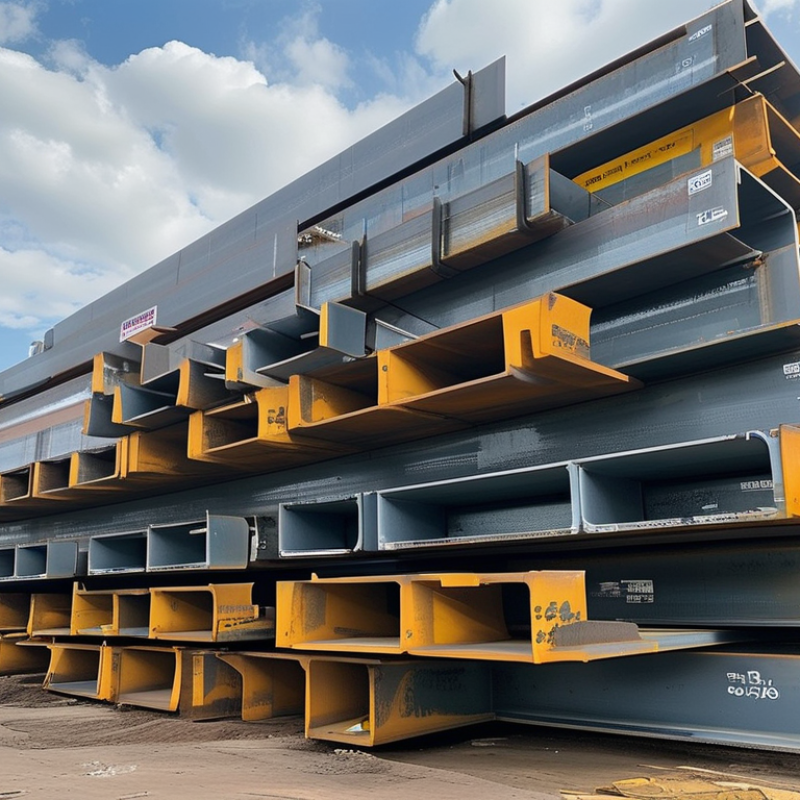
Steel beams can be classified into various types, such as I-beams, H-beams, and channels. Each type serves different structural needs, impacting sourcing decisions. For example, I-beams are often preferred for their load-bearing capacity in construction projects. It's essential to be familiar with these specifications to ensure quality and compliance with industry standards.
Moreover, sourcing steel internationally involves navigating tariffs, shipping logistics, and compliance regulations. A report from the World Steel Association indicates that global trade in finished steel products has fluctuated due to changing tariffs. It's important for businesses to stay updated on these factors to avoid disruptions. Clear communication with suppliers is vital in this process. Sourcing from diverse regions can mitigate risks, but it requires careful management. Be ready to adapt and remain vigilant in the face of these challenges.
Global Steel Beam Sourcing: Price Trends by Region
Identifying Reliable Suppliers and Manufacturers in the Global Market
Identifying reliable suppliers and manufacturers for steel beams globally can be daunting. With varied standards and practices, it’s essential to carefully assess potential partners. Consider visiting production facilities to gauge quality directly. In-person assessments often reveal more than reports or images can.
Communicate openly with suppliers about your specific requirements. This can help establish expectations. Don’t hesitate to ask for references from other clients. Genuine manufacturers should readily provide testimonials. Assess their response times and customer service. Delays can be a red flag.
Gathering market knowledge is crucial. Research the industry standards in different countries. Be aware that compliance can vary dramatically. Develop a checklist to compare suppliers effectively. This might include pricing, material quality, and delivery timelines. Sometimes, the lowest price may not reflect quality. Don't ignore past experiences, both yours and others'. Reflect on those to make informed choices.
Evaluating Quality Standards and Certifications for Steel Beams
When sourcing steel beams globally,
evaluating quality standards and
certifications is crucial. The quality of steel beams can greatly affect the safety
and durability of structures. Understanding various certifications like ISO,
ASTM, or EN can help ensure you select reliable sources.
These standards often indicate the manufacturing processes and materials used.
To make informed decisions, consider conducting thorough research
on the suppliers. Examine their quality control practices and previous projects. Look for feedback
from other customers to gauge their reliability. For instance, certifications can be a good starting
point. However, they should not be the sole criteria.
Establishing relationships with reputable suppliers can pay off. Sometimes, certifications can be
misleading. It’s vital to request documentation and physical samples. These steps show transparency
in quality assurance. Inspecting the beams for compliance with international standards is necessary.
Trust is built through consistent quality.
Navigating Shipping and Logistics for International Steel Beam Orders
Navigating the complexities of shipping and logistics for international steel beam orders is crucial for success. The global steel market continues to expand, with production reaching over 1.9 billion metric tons in 2021, according to industry reports. Sourcing from various countries can reduce costs but complicates logistics. Understanding customs regulations, tariffs, and shipping options is essential in this process.
Transportation modes such as sea freight dominate, accounting for nearly 90% of global trade volumes. However, this doesn't come without challenges. Shipping delays due to port congestion are common. A report from the World Bank notes that logistics costs can account for 10-15% of overall delivery costs. Importers must anticipate these issues. Having a buffer in delivery timelines is wise.
Collaboration with experienced freight forwarders can simplify logistics. They understand the nuances of documentation and customs clearance. Poor communication in this area can lead to costly delays. Moreover, using technology for tracking shipments enhances reliability. However, relying solely on digital solutions without a human touch can sometimes backfire. Balancing innovation with personal oversight is crucial for seamless operations.
Essential Tips for Sourcing Steel Beams Globally - Navigating Shipping and Logistics for International Steel Beam Orders
| Dimension |
Weight (lbs) |
Length (ft) |
Material Type |
Shipping Method |
Estimated Shipping Time |
| W10x12 |
90 |
20 |
Structural Steel |
Sea Freight |
4-6 weeks |
| W8x10 |
75 |
25 |
Mild Steel |
Air Freight |
1-2 weeks |
| W12x19 |
130 |
30 |
Alloy Steel |
Sea Freight |
5-7 weeks |
| W6x9 |
60 |
15 |
Carbon Steel |
Rail Freight |
2-3 weeks |
Risk Management Strategies in Global Sourcing of Steel Beams
When sourcing steel beams globally, managing risks is crucial. The first step involves assessing potential suppliers. Research their reliability, quality, and past performance. This process takes time, but misinformation can lead to costly mistakes. Analyze their financial stability and production capabilities. Gather reviews from other clients. This builds confidence in your supplier selection.
Additionally, consider geopolitical factors. Political instability can disrupt supply chains. Examine trade agreements and tariffs that might impact costs. This requires staying updated on global events and changes in policies. Also, establish clear communication channels. Frequent updates will help navigate potential delays or issues promptly. Having contingency plans is essential for unexpected challenges.
Finally, invest in quality assurance processes. This may involve third-party inspections at the manufacturing site. Such measures add an extra layer of confidence in your purchases. While these strategies can mitigate risks, perfect outcomes are rarely guaranteed. Reflect on past mistakes and adapt your approach as necessary. Flexibility and a proactive mindset will enhance your sourcing strategy.