What is an Angle Bar and How is it Used in Construction?
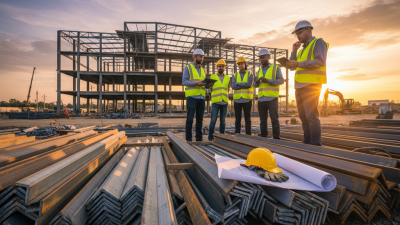
In the construction industry, the use of Angle Bars is crucial. These L-shaped steel bars provide structural support in various applications. According to a recent report by the Steel Construction Institute, the demand for Angle Bars has increased by approximately 15% over the past year. This growth highlights their importance in modern construction practices.
Expert David Reynolds, a structural engineer with over 20 years of experience, stated, "Angle Bars are fundamental in ensuring the stability of buildings." His insights reflect industry sentiment about the reliability of these materials. They are often used in frameworks, brackets, and various support structures, showcasing their versatility.
However, the overreliance on Angle Bars can lead to unforeseen challenges. Factors such as incorrect dimensions or misalignment can compromise structural integrity. Understanding these issues is essential for professionals in the field. As projects become more complex, the role of Angle Bars continues to evolve.
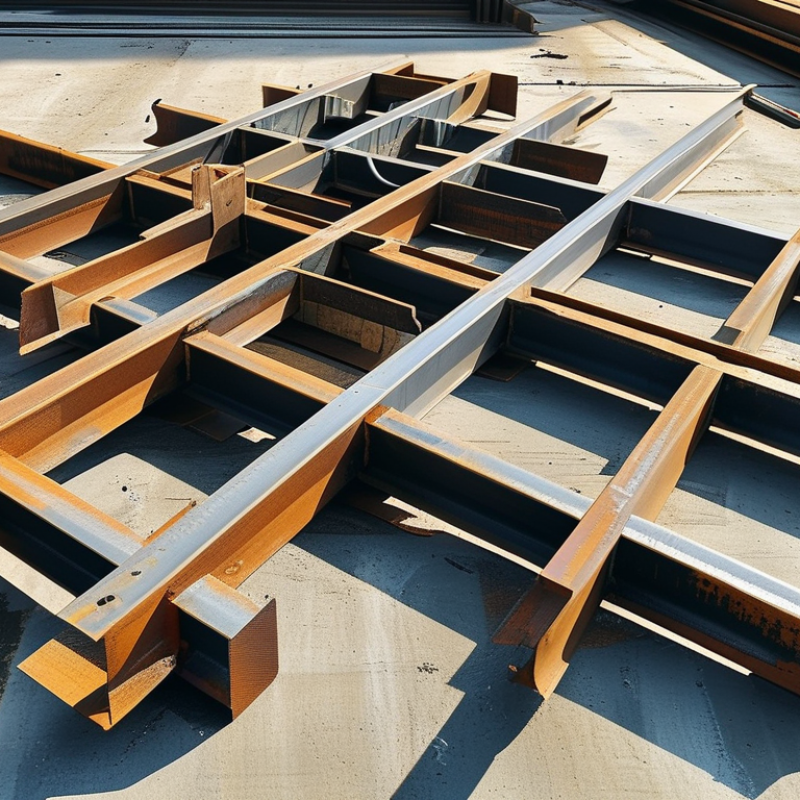
What is an Angle Bar? Definition and Specifications in Construction
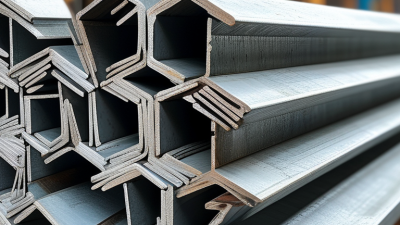
An angle bar, often called an angle iron, is a structural element widely used in construction. It features a 90-degree angle shape, which provides enhanced strength and stability. Typically made from steel, angle bars are available in various sizes and thicknesses, allowing for flexibility in design. Builders often utilize them for support beams, frames, and brackets in various structures.
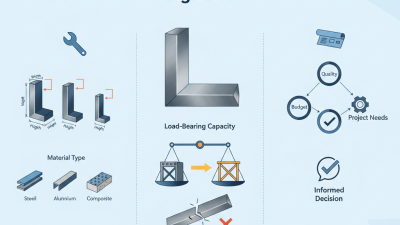
When selecting an angle bar, consider its dimensions, weight capacity, and material properties. These specifications can greatly affect the durability of a project. Pay attention to the environment; moisture levels can lead to corrosion. Evaluating the design requirements ensures the angle bar will perform effectively in its intended application.
Tips: Always consult with a structural engineer when determining specifications. When in doubt, choose a heavier gauge for added strength. Regular inspections are crucial, as small imperfections can lead to larger issues over time. Proper installation techniques can prevent future complications, ensuring safety and longevity.
Types of Angle Bars: Standard and Custom Grades for Structural Integrity
Angle bars are essential components in construction, providing structural support in various applications. The two primary types of angle bars are standard grades and custom grades. Standard grades often meet widely accepted specifications. Custom grades can be tailored to meet specific requirements. This flexibility is crucial for projects demanding high structural integrity.
According to the American Institute of Steel Construction, angle bars used in building supports must often meet stringent standards. These standards can influence the overall strength and durability of a structure. For instance, standard angle bars have specific weight and size regulations, while custom grades can accommodate unique project needs, ensuring safety and compliance with design specifications.
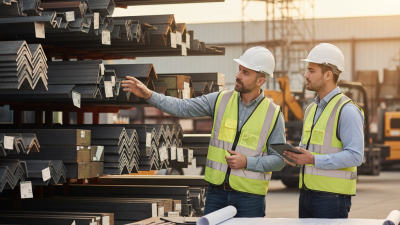
Tips: Always consider load-bearing capacity. Using the right grade can prevent structural failures. Inspect angle bars for defects before use. Custom grades are not always necessary; standard grades often suffice for many applications. Evaluating your project’s specific demands can save resources and enhance safety.
Common Applications of Angle Bars in Construction Projects
Angle bars, also known as L-brackets, are crucial in the construction industry. Their unique shape provides excellent structural support. A report by the American Institute of Steel Construction states that angle bars account for about 15% of steel used in construction. This highlights their significance in various projects.
In construction, angle bars are commonly used for creating frames, supports, and braces. They excel in providing additional stability to structures, especially during extreme weather conditions. For instance, they are often employed in building frameworks, where they connect vertical and horizontal elements. This application is vital in ensuring the safety and durability of the structure.
Moreover, angle bars find use in both residential and commercial projects. They support walls, roofs, and heavy machinery. A study by the Construction Industry Institute showed that the use of angle bars can enhance load-bearing capacity by up to 25%. However, improper installation can lead to structural weaknesses. It is essential to ensure that the right specifications are followed during application.
Common Applications of Angle Bars in Construction Projects
Material Properties: Steel vs. Aluminum Angle Bars in Engineering
Angle bars, commonly made from steel or aluminum, offer unique properties that affect their use in construction. In engineering, steel angle bars are favored for their superior strength and load-bearing capabilities. According to a report from the American Institute of Steel Construction, cold-formed steel can have yield strengths reaching up to 50 ksi (kilo pounds per square inch). This makes steel angle bars preferable for heavy structural applications, such as bridges and skyscrapers.
On the other hand, aluminum angle bars provide distinct advantages, notably their lightweight and corrosion resistance. The Aluminum Association highlights that aluminum has about one-third the density of steel. This property allows for easier handling and installation, especially where weight is a critical factor. However, aluminum typically has lower tensile strength than steel, which can be a limiting factor in certain applications.
When selecting angle bars, engineers must weigh both materials' pros and cons. Steel may be less expensive and stronger, but aluminum's anti-corrosive properties might save long-term maintenance costs. Decisions should reflect the project's specific needs, environments, and potential material performance, underlining the importance of careful evaluation in construction projects.
Fab and Installation Techniques for Angle Bars in Building Frameworks
Angle bars, also known as angle irons, are essential in construction frameworks. They provide structural support and stability. Fabrication of angle bars involves precise cutting, welding, and finishing. Installers must ensure that each angle bar fits perfectly to avoid structural weaknesses. Attention to detail during installation can reduce future issues.
When installing angle bars, proper alignment is crucial. Misaligned bars can lead to uneven structures. Use a level to check that each piece is straight. This practice ensures durability and safety.
Tips: Always wear safety gear when working with metal. Check your tools regularly. A dull saw can create jagged edges on your angle bars, which could cause issues later.
Remember, the quality of the weld is just as important as the fit. Poor welding can compromise the entire structure. Ensure adequate training for those responsible for welding. Proper techniques will save time and resources in the long run. Mistakes can lead to costly repairs and delays. Reflecting on your methods can improve outcomes.