Why Choose I Beam for Your Next Project Needs?
When considering the structural needs of your next project, the choice of materials is paramount. One standout option is the I Beam. This type of beam offers exceptional strength-to-weight ratios, making it a preferred choice in construction and engineering. According to a recent industry report by the American Institute of Steel Construction, using I Beams can reduce material costs by up to 30% without sacrificing integrity.
Expert Joseph Taylor, a structural engineer with over 20 years of experience, emphasizes the practical advantages of I Beams. He states, “I Beams not only provide support but also enhance design flexibility.” This material’s versatility allows architects and builders to create innovative structures while ensuring safety and stability.
However, it's crucial to recognize that I Beams are not universally applicable. The specific load requirements and environmental conditions must always be assessed. Balancing creativity with structural integrity can be challenging. Nonetheless, the merits of I Beams often outweigh their limitations. Employing them wisely can lead to remarkable results in your project.
Understanding the Basics of I Beam Construction Materials
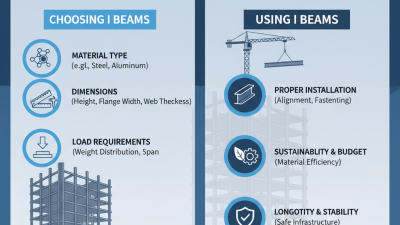
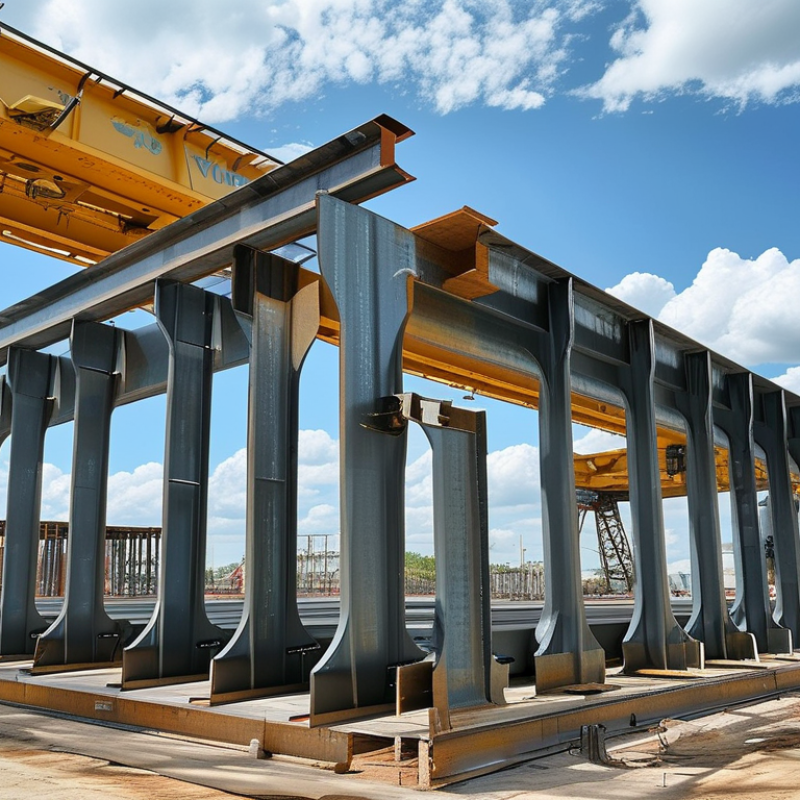
I beams are pivotal in modern construction. They are designed to support heavy loads while remaining lightweight. Made from steel or other materials, these beams provide excellent strength and stability. Their shape, resembling the letter “I,” allows them to bear weight more efficiently than traditional beams. This makes them ideal for bridge construction and high-rise buildings.
Understanding the basics of I beam construction materials is crucial. Steel beams are popular for their durability and resistance to bending. Aluminum I beams are lighter and easier to handle, though they may not support as much weight. Considerations like the environment and load requirements will impact your choice. Each material has its unique advantages and drawbacks. It’s important to reflect on the specific needs of your project before making a decision.
Construction practices can vary greatly. Some builders may rely heavily on I beams without considering alternative options. However, it’s wise to evaluate both the benefits and limitations. For instance, while I beams are strong, improper installation can lead to structural failure. An informed approach to material selection can make a significant difference in project outcomes.
Advantages of Using I Beams in Modern Engineering Projects
I beams are becoming increasingly popular in modern engineering projects. Their unique shape provides excellent strength while minimizing weight. This efficiency can lead to reduced material costs and improved load-bearing capacities. According to a recent industry report, using I beams can enhance structural integrity by up to 25% compared to traditional methods. This advantage is essential in larger projects where safety and durability are priorities.
Another significant benefit of I beams is their versatility. These beams can be used in various applications, from commercial buildings to bridges. Their design allows for easy integration into existing structures. Moreover, I beams can be manufactured in different sizes, adapting to project needs. A study highlighted that projects utilizing I beams showed a 15% quicker construction timeline.
Tip: When selecting I beams, consider both load requirements and environmental factors. Ensure thorough calculations to maximize efficiency. Remember, every project is unique and requires careful planning. Always assess the site conditions before finalizing your choice. Invest time in understanding the nuances of your specific project.
Comparative Analysis: I Beams vs. Other Structural Elements
When tackling your next construction project, understanding the strengths and weaknesses of I beams compared to other structural elements is crucial. I beams, known for their high strength-to-weight ratio, exhibit exceptional load-bearing capabilities. Their design allows for easier installation, often reducing labor costs. In contrast, other forms like C beams or channel sections may fall short in load management and flexibility.
Tips: Consider the specific loads your structure will bear. I beams might save you costs in the long run through reduced material and labor expenses.
Another critical factor is space efficiency. I beams provide a deeper depth and can span larger distances without support. This trait is advantageous for open spaces and expansive designs. However, they may consume more vertical space, which might not work for all projects. In comparison, tube sections can maintain lower profiles but may lack in strength under heavy loads.
Tips: Assess the height limitations of your project. Choosing an I beam might affect your architectural vision significantly.
Impact of I Beams on Project Cost and Efficiency
I beams are a popular choice in construction because they enhance project efficiency. Their unique shape provides strength while reducing material use. This results in lower costs, which can significantly benefit budget-conscious projects. The lighter weight of I beams allows for easier handling and faster installation. Teams can complete projects quicker, saving both time and money.
When planning a project, consider how I beams can impact overall effectiveness. They improve load distribution, making structures more stable. However, it's crucial to ensure the beams are properly sized for specific loads. Miscalculations can lead to safety issues and increased costs later. Engineers should meticulously analyze load requirements to avoid potential pitfalls.
In certain projects, I beams may not be the best option. Understanding the specific needs of each project is vital. Sometimes, other steel profiles offer better solutions. It’s essential to weigh all choices carefully. This thoughtful approach can lead to more successful outcomes.
Cost and Efficiency Comparison: I Beams vs. Alternative Beams
This chart demonstrates the cost efficiency and load capacity of various beam types, highlighting I Beams as an optimal choice for balancing performance and cost in construction projects.
Applications of I Beams in Various Industries and Structures
I Beams play a crucial role in various industries due to their structural performance. In construction, they provide exceptional load-bearing capabilities. According to the American Institute of Steel Construction, I Beams can support larger spans than conventional beams, making them ideal for skyscrapers and large commercial buildings. Their strength-to-weight ratio allows for reduced material usage, lowering construction costs significantly.
In the manufacturing sector, I Beams are widely utilized in assembly lines and heavy machinery frameworks. They offer stability and rigidity, essential for supporting heavy equipment. A study from the Construction Industry Institute noted that structures using I Beams experience 30% less deflection under load compared to other beam types. This performance is critical in high-precision manufacturing environments.
The transportation sector also benefits from I Beams, as they are integral to bridges and rail systems. Their design allows for efficient weight distribution, enhancing safety and durability. However, continuous exposure to harsh weather can lead to corrosion, necessitating routine inspections and maintenance. This aspect raises questions about long-term sustainability. Balancing strength with environmental concerns remains a challenge for engineers.
Why Choose I Beam for Your Next Project Needs?
| Industry/Application |
Benefits of I Beams |
Key Specifications |
Common Sizes |
| Construction |
High strength-to-weight ratio, Durability |
Steel Grade: ASTM A992 |
W8x15, W10x22 |
| Bridges |
Structural integrity, Easy connections |
Depth Range: 10in - 30in |
W14x43, W18x40 |
| Manufacturing |
Cost-effective, Versatile |
Load Capacity: varies by size |
W6x13, W12x26 |
| Energy Sector |
Resistance to harsh environments |
Corrosion resistance available |
W8x10, W12x30 |
| Transportation |
Reinforcement for load support |
Comply with AASHTO specifications |
W10x33, W12x40 |