China Top Metal Coil Suppliers for Global Buyers?
In the growing global market for Metal Coil, sourcing from reliable suppliers is crucial. Metal Coil products are essential across many industries, including construction and manufacturing. China's suppliers have emerged as significant players due to their competitive prices and diverse offerings.
Quality is a primary concern for buyers. Some suppliers excel, while others may fall short in meeting international standards. It is vital for global buyers to conduct thorough research on each supplier's reputation and product quality. Seeking expert advice can help navigate this complex landscape.
Many suppliers promise quick delivery and great service. However, it’s important to question these claims. Understanding the nuances of the Metal Coil industry is key. Buyers should reflect on their past supplier experiences to make informed decisions. In a vast market, trustworthiness stands out as a primary selection criterion.
Overview of China's Metal Coil Industry
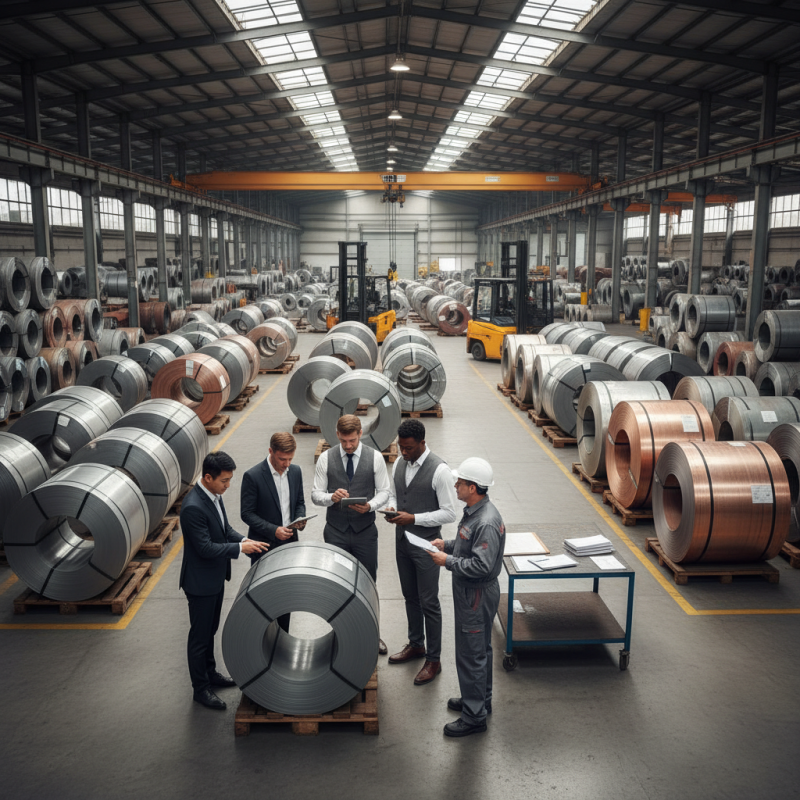
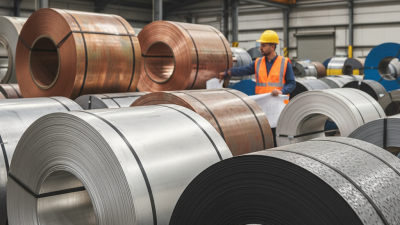
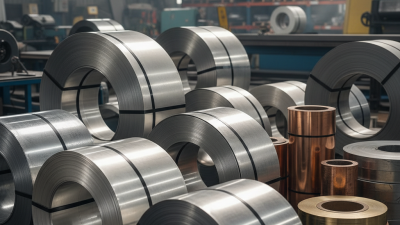
China's metal coil industry is thriving in the global market. Its growth is driven by robust manufacturing capabilities and a variety of raw materials. Many producers offer a wide range of metal coils, including steel, aluminum, and copper options. This diversity allows for a multitude of applications in different sectors. The industry emphasizes quality control, yet challenges remain in meeting international standards consistently.
The supply chain in China is extensive and complex. Manufacturers are located in multiple provinces, benefiting from regional resources. This geographical spread can lead to inconsistencies in product quality. Additionally, fluctuating raw material prices impact production costs, making it difficult for suppliers to manage pricing effectively. Some companies are investing in technology to enhance production efficiency but face hurdles related to emerging regulations.
Sustainability is another pressing concern. Many producers are exploring eco-friendly practices to reduce their carbon footprint. However, implementing these changes can be slow and costly. Buyers must navigate these dynamics to find suppliers that align with their needs. Ongoing improvements in transparency and reliability are crucial for establishing long-term partnerships in this competitive landscape.
Key Players in the Chinese Metal Coil Market
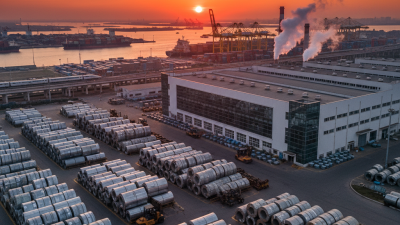
The Chinese metal coil market features several key players shaping the industry. The demand for metal coils has surged due to various sectors, including automotive, construction, and appliances. According to industry reports, China's metal coil production reached over 35 million tons in 2022. This figure showcases the significant contribution of Chinese suppliers to the global market.
Key companies in the sector often focus on advanced technology and sustainable practices. Many suppliers are investing in automation and innovative processes to enhance efficiency. This shift in strategy is crucial as global buyers seek not only quality but also environmentally friendly options. Recent studies indicate that green production methods can increase market competitiveness, attracting more international clients.
Tips: Always evaluate the sustainability efforts of suppliers. Look for certifications that demonstrate their commitment to eco-friendly practices. Moreover, researching suppliers' production capabilities can prevent future disappointments. A thorough analysis can reveal potential challenges in quality control or delivery timelines, which should never be overlooked in global trade.
China Top Metal Coil Suppliers for Global Buyers
| Supplier Type |
Production Capacity (Tons/Year) |
Export Percentage (%) |
Key Markets |
Certifications |
| Carbon Steel Coils |
500,000 |
70 |
North America, Europe, Asia |
ISO 9001, CE |
| Stainless Steel Coils |
300,000 |
60 |
South America, Middle East, Africa |
ISO 14001, AISI |
| Aluminum Coils |
400,000 |
65 |
Asia, Australia, Europe |
ISO 9001, ASME |
| Galvanized Steel Coils |
600,000 |
80 |
North America, Europe, Africa |
ISO 9001, ASTM |
Factors Influencing Metal Coil Supply in China
China plays a crucial role in the global metal coil supply chain. Several factors influence the availability of metal coils from this region. First, production costs have a significant impact. Raw material prices fluctuate frequently, affecting manufacturers' ability to supply consistently. Labor costs also vary, which can influence overall pricing.
Transportation logistics present another challenge. Delays at ports and rail systems can lead to supply shortages. Additionally, geopolitical tensions might disrupt trade routes. Companies must stay updated on these conditions to navigate the market effectively.
Quality control is essential in the metal coil industry. Buyers often face a dilemma regarding quality versus cost. Some suppliers might cut corners, leading to inconsistencies. Regular assessments and certifications are necessary but can be overlooked by smaller suppliers. Ensuring reliable and high-quality products remains a priority for sustainable partnerships in this sector.
China's Metal Coil Supply Overview
Export Trends of Chinese Metal Coils to Global Markets
In recent years, China's metal coil exports have shown remarkable growth in global markets. In 2022, China accounted for nearly 30% of the global metal coil supply, according to industry reports. Demand surged particularly from Southeast Asia and Europe, where buyers seek quality and competitive pricing. Analysts predict that this trend is likely to continue, driven by stringent quality standards and increasing infrastructure projects.
The export of metal coils, including steel and aluminum, is a strategic focus for Chinese manufacturers. Recent data indicates that shipments to the U.S. and European markets have increased by over 15% annually. However, fluctuations in raw material prices and supply chain disruptions pose challenges. Chinese suppliers are experiencing pressure to maintain quality while keeping costs low. This creates a scenario that requires careful balancing and innovation in production methods.
Despite these challenges, there are areas for improvement. Not all suppliers meet the rising expectations for sustainability. The industry must embrace greener practices and technology. Transparency in sourcing and manufacturing processes is becoming a key factor for global buyers. Addressing these issues can significantly enhance China's reputation as a reliable supplier of metal coils.
Challenges Faced by China’s Metal Coil Suppliers
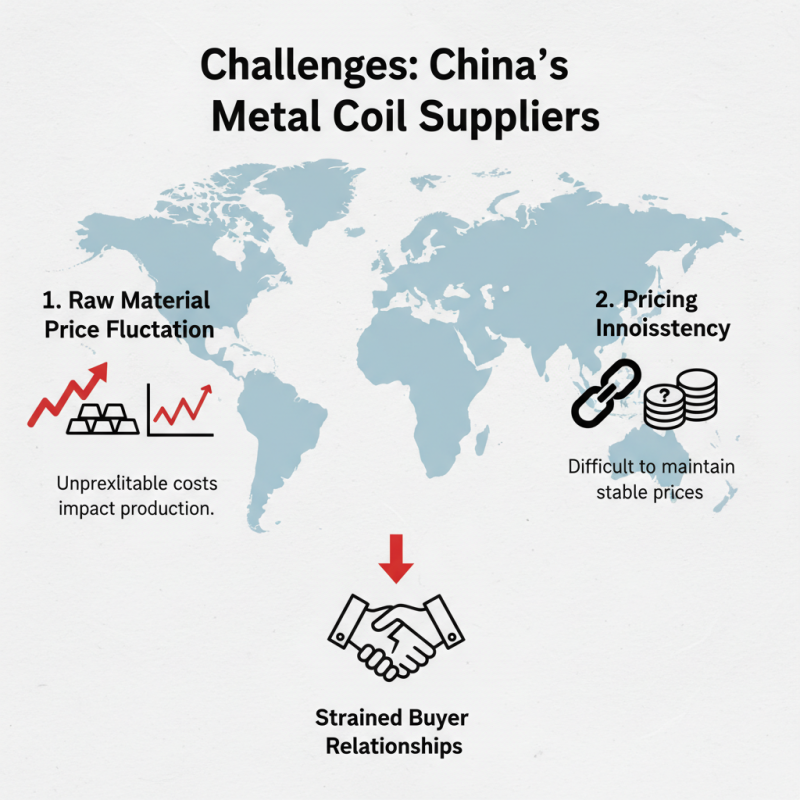
China’s metal coil suppliers face numerous challenges in the competitive global market. One major issue is the fluctuation of raw material prices. These changes can greatly impact production costs. Suppliers often struggle to maintain consistent pricing for their clients. This unpredictability can lead to strained relationships with international buyers.
Another significant challenge is quality control. Maintaining high standards is crucial in the metal coil industry. However, not all suppliers adhere to strict quality measures, which can result in subpar products. Inconsistent quality can damage a supplier's reputation. There are also issues related to environmental regulations. Compliance often requires substantial investment, which can be burdensome for smaller suppliers.
Supply chain disruptions can create further complications. Events like the COVID-19 pandemic highlighted vulnerabilities in logistics. Delays and shortages can hinder a supplier's ability to meet demand. Furthermore, competition from other countries adds pressure. As buyers weigh their options, Chinese suppliers must adapt quickly to retain market share. This dynamic environment forces suppliers to constantly reflect and improve their strategies.