How to Choose the Right Metal Coil for Your Project?
Choosing the right metal coil for your project can greatly influence the overall success of your work. Metal coils come in various materials, thicknesses, and finishes. Each factor plays a crucial role in determining the suitability of the coil for your specific needs. Understanding the properties of different metal coils enables you to make informed decisions.
When selecting a metal coil, consider its application. Some projects may require strong durability, while others might focus on aesthetics. For example, aluminum coils are lightweight, yet robust, suitable for both structural and decorative purposes. Steel coils, on the other hand, offer excellent strength and longevity but can be heavier and more challenging to work with.
It's essential to reflect on the intended use of your metal coil. Think about factors like corrosion resistance and thermal conductivity. Each project is unique, and a one-size-fits-all approach can lead to issues down the line. Take the time to research thoroughly and consult experts if needed. After all, the right metal coil can make or break your project.
Understanding Different Types of Metal Coils and Their Applications
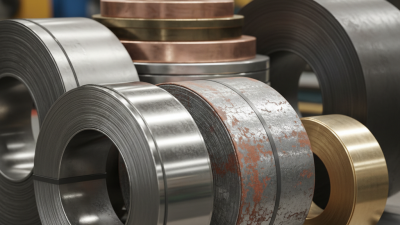
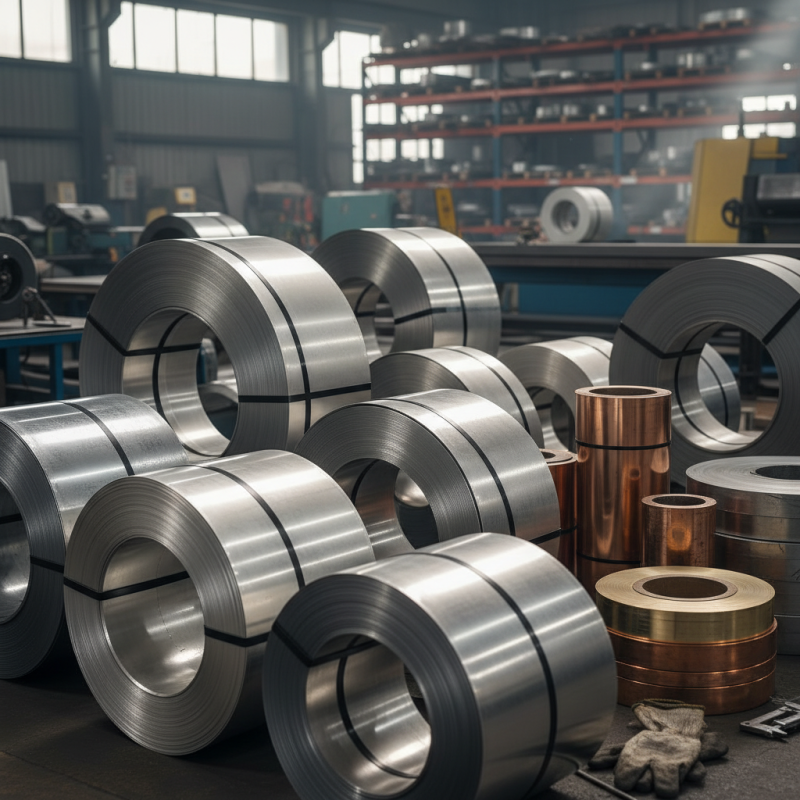
When choosing a metal coil for your project, it's crucial to understand the various types available. Metal coils come in several forms, including aluminum, stainless steel, and copper. Each type has unique properties that make them suitable for specific applications. For example, aluminum coils are lightweight and resistant to corrosion, making them ideal for automotive and aerospace industries. Stainless steel coils, on the other hand, offer durability and strength, perfect for construction and manufacturing settings.
Consider also the coil's thickness, surface finish, and customization options. Thicker coils can handle more stress, while specific finishes enhance aesthetics and performance. For projects requiring high resistance to heat, a copper coil may be the best choice. However, sourcing materials can present challenges. Not every supplier offers the same quality. Researching suppliers and checking their reviews can provide insights into their reliability.
It's essential to reflect on your project's needs and long-term goals. Will the chosen metal coil withstand environmental factors? Will it be cost-effective over time? Not all applications might require the highest grade metal. Balancing quality and cost can lead to more sustainable choices. In this journey, imperfections might arise, prompting adjustments or refinements. Embracing this process will enhance your metal coil selection experience.
Evaluating Material Properties: Strength, Durability, and Corrosion Resistance
When selecting a metal coil for your project, material properties play a crucial role. Strength is one of the primary considerations. A strong coil can endure mechanical stress and maintain shape under pressure. Materials like steel offer high tensile strength, making them ideal for heavy-duty applications. However, it’s essential to evaluate whether the strength is necessary for the purpose. Over-specifying strength could lead to unnecessary costs.
Durability is closely linked to how a coil will perform over time. Different metals have varying lifespans when exposed to elements. For instance, aluminum may not rust, but it can dent easily. On the other hand, stainless steel resists corrosion but is heavier and more expensive. Reflecting on your project’s environment is vital. Are you in a coastal area prone to saltwater exposure? This detail should influence your choice.
Corrosion resistance is non-negotiable for many applications. Selecting a material without considering this factor could lead to premature failure. It's beneficial to research coatings or treatments. Sometimes, a budget-friendly option may require more maintenance. Balancing cost with desired durability and strength is an ongoing challenge. It's a constant trade-off, requiring careful thought.
How to Choose the Right Metal Coil for Your Project? - Evaluating Material Properties: Strength, Durability, and Corrosion Resistance
| Metal Type |
Yield Strength (MPa) |
Tensile Strength (MPa) |
Durability Rating |
Corrosion Resistance |
| Aluminum 6061 |
275 |
310 |
High |
Moderate |
| Stainless Steel 304 |
215 |
505 |
Very High |
Excellent |
| Carbon Steel |
250 |
450 |
Medium |
Low |
| Copper |
210 |
210 |
High |
Moderate |
| Titanium |
480 |
900 |
Very High |
Excellent |
Key Factors in Coil Thickness and Width Selection for Your Project
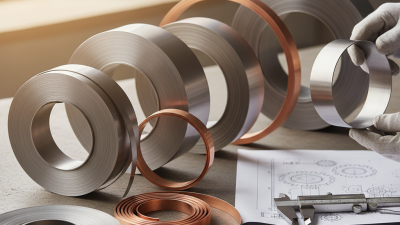
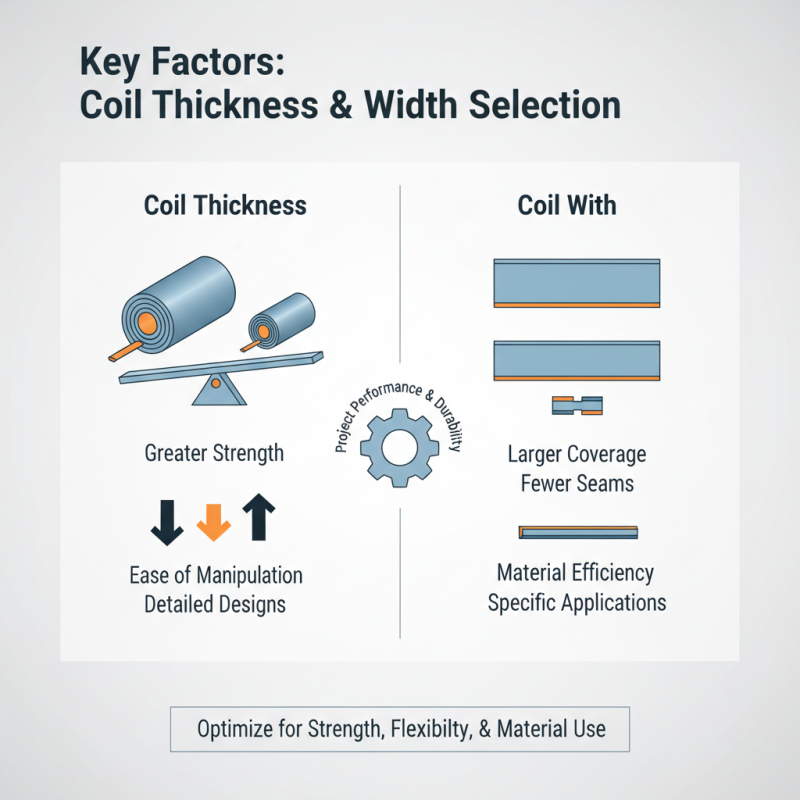
Choosing the right metal coil involves several critical considerations, particularly coil thickness and width. These factors directly impact the performance and durability of your project. For instance, a thicker coil may offer greater strength but can be less flexible, posing challenges for intricate designs. On the other hand, a thinner coil provides ease of manipulation, which can be beneficial in applications requiring detailed work.
Width is another essential aspect. It affects the overall material usage and edge treatment. A coil that is too wide could lead to wastage, while one that is too narrow may not cover the necessary area effectively. It's important to assess the specific requirements of your project. Are you working with tight spaces or larger surfaces? The answer will guide your choice. Re-evaluating your needs regularly can help you avoid costly mistakes in material selection.
Additionally, consider the potential trade-offs. A thicker layer might resist wear better but could increase production costs. Balancing these variables requires careful thought. Don't hesitate to seek expert advice when uncertain. Understanding your project’s unique demands will enhance your likelihood of success.
Assessing Cost-Effectiveness: Pricing and Availability of Metal Coils
When assessing the cost-effectiveness of metal coils, pricing and availability are crucial factors. The market fluctuates based on demand and supply dynamics. Prices can vary significantly depending on the type of metal and market conditions. Steel generally offers lower pricing, while aluminum may have higher costs but superior properties. Understanding your project's budget is key here.
Tips: Always request multiple quotes to compare prices. This can help you spot competitive rates. Consider bulk purchases, as this might lead to discounts. Don't forget to factor in shipping costs and delivery times, which can impact overall project expenses.
Availability can be a challenge. Some materials may have longer lead times due to supply chain issues or scarcity. This can derail your timeline. Investigate local suppliers and online platforms to find readily available options. Regional demand should be considered when planning your order.
Tips: Stay updated on market trends. This can help you anticipate price changes. Establishing a good relationship with suppliers may also yield better availability and pricing in the long run.
Tips for Sourcing and Purchasing Quality Metal Coils from Suppliers
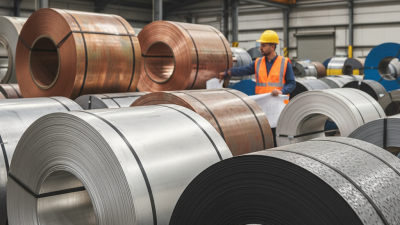
When sourcing metal coils, quality and specifications are paramount. The global metal coil market is projected to reach $145 billion by 2027, driven by demand across various industries. Understanding the core properties of the metal is vital. Different projects require different metal types, such as aluminum or stainless steel. Each material has unique characteristics affecting durability and performance.
While purchasing, consider suppliers that offer comprehensive quality assurance. Look for certifications, such as ISO 9001, which indicate a commitment to quality management. Be cautious of suppliers with vague product descriptions. Transparency is essential. Engaging with suppliers that provide detailed technical data sheets can clarify whether their coils meet your specifications.
Many buyers overlook the importance of proper inspection. A study revealed that 15% of metal coils fail industry standards due to inadequate quality checks. Request samples before bulk orders to ensure they align with your requirements. Understanding the manufacturing process can also uncover potential flaws. Establishing relationships with trustworthy suppliers can enhance reliability and prevent costly mistakes later.