2026 How to Use Galvanized Sheet for Building Projects?
Galvanized Sheet is a popular choice in modern construction projects. Its corrosion-resistant properties make it ideal for various applications. Builders often rely on this material for roofing, siding, and decorative elements. The durability of Galvanized Sheet helps extend the lifespan of structures, making it a reliable option.
However, using Galvanized Sheet effectively requires some knowledge. Understanding how to cut, bend, and attach this material can be challenging. Mistakes during installation can lead to significant issues later on. It’s essential to approach each project with careful planning and attention to detail.
Besides its advantages, there are considerations to remember. The weight of Galvanized Sheet may require additional support in some designs. Moreover, working with this material might involve sharp edges that need safety precautions. Embracing both the benefits and limitations of Galvanized Sheet is critical for successful building projects.
Benefits of Using Galvanized Sheet in Building Projects
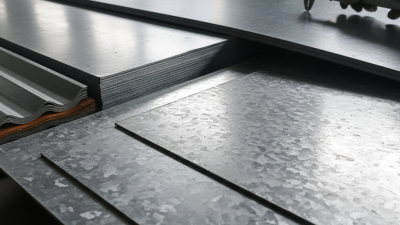
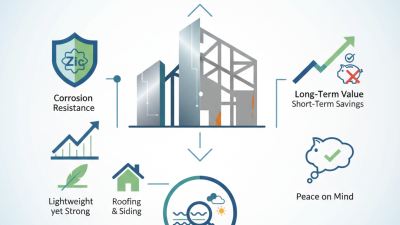
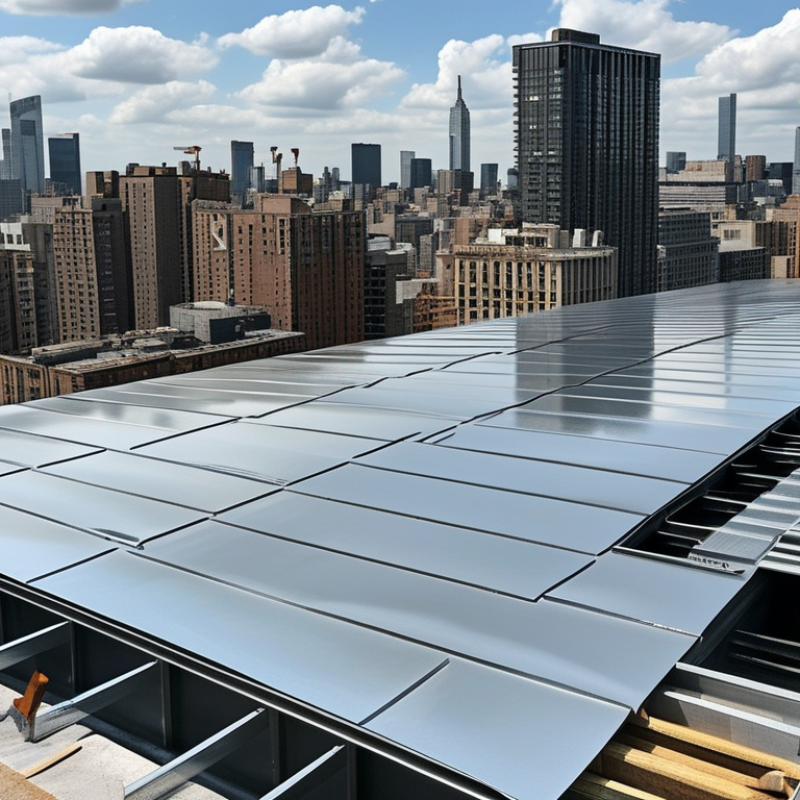
Galvanized sheet metal is an excellent choice for building projects. Its resistance to corrosion is one of the main reasons contractors prefer it. The zinc coating forms a protective barrier, ensuring longevity. This means fewer repairs over time, saving both money and effort. In areas with high humidity, the benefits are even more noticeable. Structures that would typically corrode now stand strong.
Another major advantage is its versatility. Galvanized sheets can be used in roofing, wall cladding, and even in structural components. The material is lightweight yet strong, making it easy to handle and install. However, it's not entirely without drawbacks. Improper installation can lead to water accumulation, which might initiate rust. Builders must pay attention to details during the installation process. Regular maintenance is still essential despite the protective coating.
Moreover, the aesthetic appeal of galvanized sheets adds value to building projects. Their sleek, metallic finish can enhance modern designs. However, the initial appearance can dull over time. This is something builders must consider. Rethinking the application process can lead to better outcomes in the long run. It's a balance between beauty, function, and durability.
Key Properties of Galvanized Sheet to Consider for Construction
When considering galvanized sheets for building projects, key properties play a vital role. Galvanized sheets are coated with zinc to prevent corrosion. This makes them ideal for outdoor structures. In fact, industry studies show that galvanized steel can last up to 50 years in harsh environments.
Strength is another crucial factor. Galvanized sheets provide excellent tensile strength, making them suitable for various applications. They are lightweight yet durable, which simplifies handling and installation. It's important to note that some grades may not be as strong as expected. So, always verify material specifications.
Tips: Always check local codes for safety. Moisture can still affect galvanized coatings, leading to rust. Regular inspections help catch early signs of wear.
Additionally, consider thermal properties. Galvanized sheets reflect heat, aiding energy efficiency in buildings. However, the thermal expansion can lead to unexpected issues. Ensure proper design to accommodate potential movement in structures. Understanding these properties is essential for successful project execution.
Step-by-Step Guide to Cutting and Shaping Galvanized Sheet
Galvanized sheet metal is widely used in construction due to its durability and resistance to corrosion. When working with this material, cutting and shaping require specific techniques. A study by the Construction Industry Research and Information Association emphasized that incorrect handling could lead to project delays, highlighting the importance of proper methods.
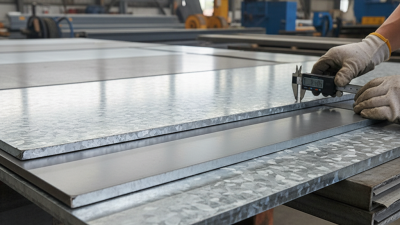
To start, use safety gear before handling galvanized sheets. Secure the sheet on a stable surface. For cutting, tin snips are effective for thinner sheets, while heavy-duty shears work for thicker gauges. Aim for clean cuts. Rough edges can pose hazards and require more finishing work. According to the Metal Construction Association, ensuring precise cuts increases the overall project efficiency by 20%.
Shaping galvanized metal typically involves hand tools and sometimes machinery. A hammer and dolly set can help in bending corners. Yet, even with the right tools, achieving a flawless bend can be challenging. Various factors, like sheet thickness and metal temper, can affect the outcome. Craftsmanship plays a crucial role in ensuring the final shape meets project specifications. Proper training and experience are vital to handle these intricacies effectively. Mistakes in shaping can lead to significant rework, emphasizing the need for patience during this process.
Techniques for Protecting and Maintaining Galvanized Sheets
When using galvanized sheets in construction, proper maintenance is crucial.
Galvanized sheets can resist rust due to their zinc coating. According to industry reports, galvanized steel can last up to 70 years when properly maintained. This longevity is vital for reducing overall costs in building projects.
Regular inspections are essential. Look for scratches or abrasions that may expose the steel beneath. These points are prone to corrosion if not addressed. Keeping the surface clean will also help. Remove any dirt, debris, or organic materials that could retain moisture.
Applying touch-up paint can protect vulnerable areas. Additionally, consider using a sealant if the sheets are in a particularly corrosive environment. The proper application can extend their life and maintain their appearance. However, not everyone realizes that over time, even galvanized sheets may lose their protective qualities. Regular upkeep is necessary to ensure optimal performance and longevity.
Common Applications of Galvanized Sheets in Modern Construction
Galvanized sheets play a crucial role in modern construction. They are primarily used for roofing, siding, and interior applications. Their zinc coating offers excellent resistance to rust and corrosion, making them ideal for harsh environments. According to industry reports, over 60% of construction projects now prefer galvanized sheets due to their durability.
These sheets are particularly popular in commercial buildings. They provide an aesthetically pleasing finish while ensuring long-term functionality. A study by the Construction Specifications Institute (CSI) reveals that galvanized steel’s lifespan can exceed 50 years when installed properly. This durability translates to lower maintenance costs. However, some projects still face issues with improper installation. This can lead to moisture build-up and damage.
In residential construction, galvanized sheets are commonly used in garages and sheds. They offer a cost-effective solution for homeowners. The National Association of Home Builders points out that galvanized steel is frequently chosen for its lightweight and easy handling. Nevertheless, builders should remain vigilant about moisture control. Extra care is needed during installation to ensure their effectiveness over time.