Top 10 Tube Steel Types You Need to Know About?
In the world of engineering and construction, Tube Steel has gained significant prominence. According to a report by the American Institute of Steel Construction, the demand for steel tubes rose by over 12% in the last year. This reflects a growing reliance on tube steel across various industries.
The versatility of tube steel is unmatched. It is used in structures, manufacturing, and transportation. From buildings to machinery, tube steel serves multiple purposes. For example, it provides excellent strength-to-weight ratios. This makes it ideal for applications where weight is a concern.
However, not all tube steels are created equal. Knowing the different types is crucial for making informed decisions. Data shows that improper selection can lead to structural failures. Understanding the top varieties of tube steel ensures safety and efficiency in projects. Emphasizing the right type can enhance the durability and performance of any build.
Understanding Tube Steel: An Overview of Its Importance
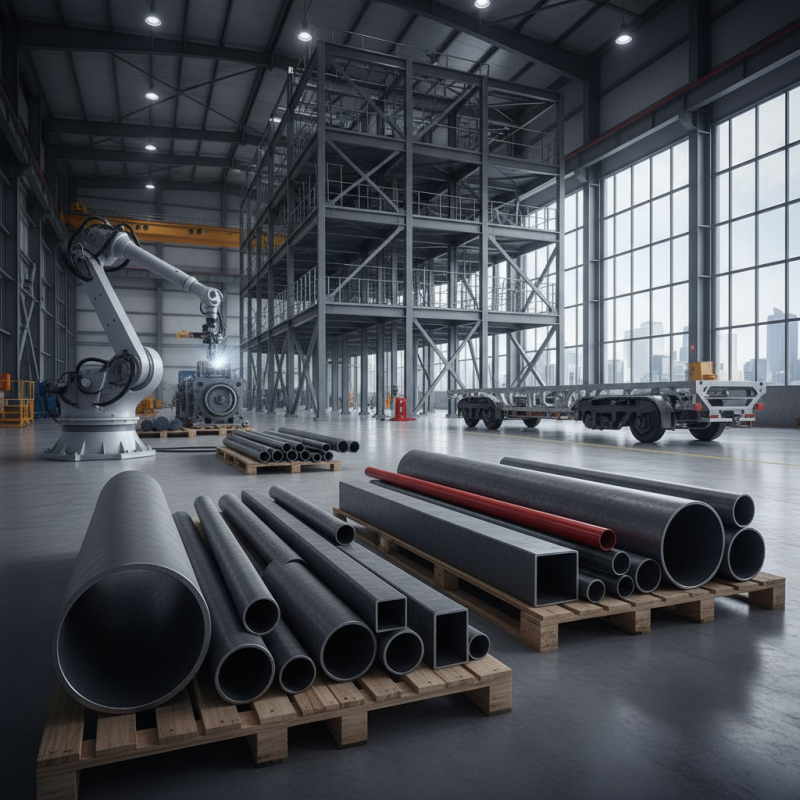
Tube steel plays a crucial role in various industries, from construction to manufacturing. This material is known for its strength and versatility. According to industry reports, the global steel tube market is expected to reach $240 billion by 2025. That’s a significant growth, showcasing how essential tube steel is.
Understanding tube steel requires attention to its types and applications. For example, structural tubing is often used in buildings. Its strength provides safety and durability. Furthermore, welded steel tubes are prevalent in pipelines. They transport liquids and gases efficiently. However, choosing the right type can be challenging. Many factors come into play, like tensile strength and thickness.
There are also environmental considerations. The production of tube steel can lead to emissions. Reports suggest that steel production accounts for about 7% of global CO2 emissions. This highlights the need for sustainable practices. The industry is making strides, but progress is slow. Balancing strength and sustainability is essential. As engineers and manufacturers, we must reflect on our choices. Every material has its consequences.
Common Applications of Tube Steel in Various Industries
Tube steel finds its usefulness across many industries due to its unique properties. In construction, it often forms structural frames and supports. The lightweight nature of tube steel makes it easier to handle. It can withstand significant loads, adding strength to buildings.
In the manufacturing sector, tube steel is vital. It is used for creating machinery components and equipment. Its versatility allows for various shapes and sizes. Some designs can be complex, posing challenges during assembly. Many struggle with the precision required when fabricating parts from tube steel.
The automotive industry also relies on tube steel. It is used in chassis and roll cages for safety. The tube’s ability to absorb impact is essential for crash protection. However, sourcing the right type of tube steel can be tricky. Not all grades fit every application perfectly, leading to potential inefficiencies.
Top 10 Tube Steel Types You Need to Know About
| Tube Steel Type |
Material Grade |
Common Applications |
Diameter Range (inches) |
Weight per Foot (lbs) |
| Steel Square Tube |
A500 Grade B |
Furniture, Structural Applications |
0.5 - 8 |
0.2 - 16.0 |
| Steel Rectangular Tube |
A500 Grade C |
Construction, Vehicle Frames |
1.0 - 6.0 |
0.5 - 14.5 |
| Round Steel Tube |
A513 Grade 1010 |
Piping, Fencing |
0.5 - 12 |
0.2 - 20.0 |
| Aluminum Square Tube |
6061-T6 |
Aerospace, Marine |
0.5 - 4.0 |
0.1 - 10.0 |
| Galvanized Steel Tube |
Z275 |
Outdoor Structures, Fencing |
1.0 - 6.0 |
0.6 - 15.0 |
| Stainless Steel Tube |
304 |
Food Processing, Marine |
0.5 - 12 |
0.3 - 18.0 |
| Mild Steel Tube |
S235JR |
General Fabrication, Automotive |
0.5 - 8.0 |
0.2 - 15.0 |
| High-Strength Steel Tube |
HSLA |
Heavy Machinery, Construction |
1.0 - 10 |
0.5 - 20.0 |
| Cold Drawn Steel Tube |
1030 |
Automotive, Hydraulic |
0.5 - 6.0 |
0.3 - 12.0 |
Types of Tube Steel: A Breakdown of Shapes and Sizes
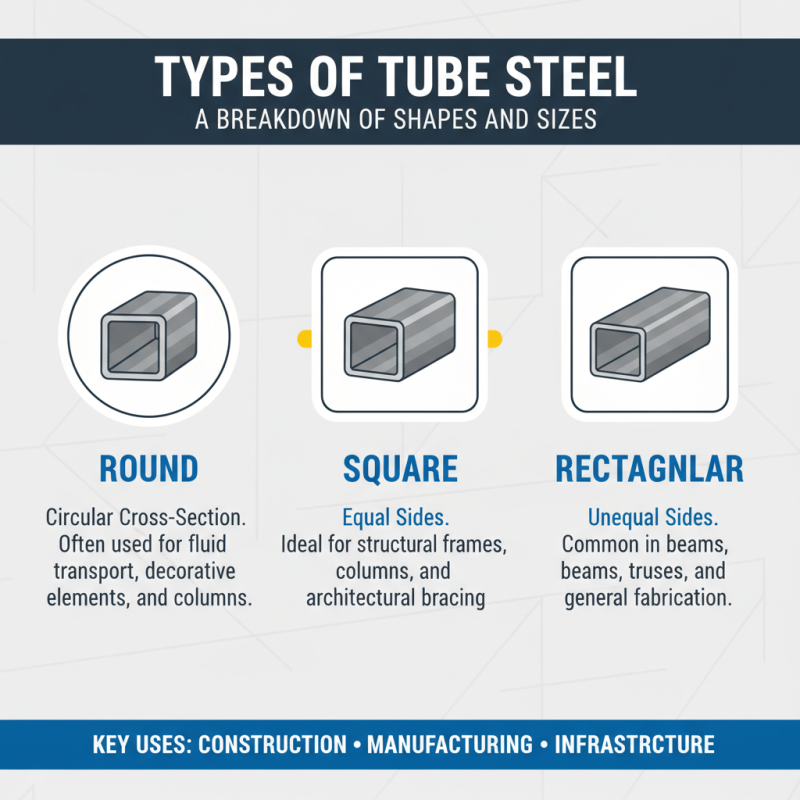
Tube steel is widely used in construction and manufacturing. Understanding the various types is crucial. Common shapes include round, square, and rectangular. Each shape serves specific purposes.
Round tube steel is popular for its strength and versatility. It's often used in handrails and structural supports. Square and rectangular tubes provide excellent load-bearing capacity. They are commonly found in frames and trusses. According to industry reports, these shapes account for over 60% of tube steel usage.
Size matters when it comes to tube steel. Common sizes range from small diameter tubes of ½ inch to larger ones over 10 inches. The choice of size impacts strength and weight. Unfortunately, there is still ambiguity in choosing the right size. Many fail to consider specific project requirements. This can lead to selection mistakes, causing inefficiencies. Always double-check before making a purchase. Always ensure you're selecting the best option for your project.
Mechanical Properties of Tube Steel: What You Should Know
When discussing tube steel, its mechanical properties are critical. Tube steel is known for its strength-to-weight ratio. This characteristic allows for robust structures with less material. According to the American Institute of Steel Construction, tube steel has a tensile strength ranging from 58,000 to 100,000 psi. This high strength makes it suitable for various applications, including construction and manufacturing.
Durability is another key aspect. Tube steel can withstand significant forces and impact. Research from the Steel Construction Institute indicates that using tube steel can improve overall structural integrity. However, not all tube steels perform equally. Variations in processing and alloy composition lead to different properties. It’s essential to consider these factors when selecting the right type.
Additionally, weldability is a major factor. Some types of tube steel can be difficult to weld effectively. This complicates fabrication processes. A study by the Welding Institute highlighted that preheating may be necessary for specific grades, which could add time and costs. Understanding these mechanical properties can help you make informed decisions in projects involving tube steel.
Choosing the Right Type of Tube Steel for Your Project
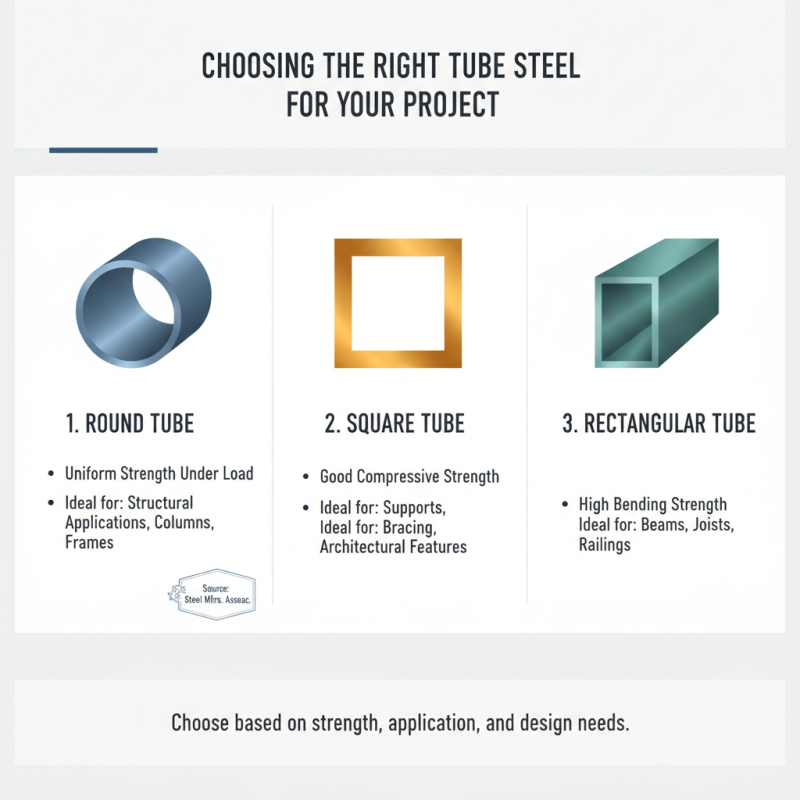
Choosing the right type of tube steel for your project can be a challenge. Tube steel comes in various profiles, such as round, square, and rectangular. Each type has distinct advantages depending on the application. For instance, according to a recent report by the Steel Manufacturers Association, round tube steel is often preferred in structural applications due to its uniform strength under load.
When determining the best option, consider the specific needs of your project. Factors like weight, strength, and corrosion resistance play crucial roles. For instance, galvanized tube steel provides excellent resistance to corrosion, making it suitable for outdoor applications. However, it may not offer the same structural integrity as uncoated options. A balance is essential here.
Additionally, think about manufacturing methods. Welded and seamless tubes present different qualities. While seamless tubes typically have higher strength, they can be more costly. A study published by the American Institute of Steel Construction shows that understanding these differences can help avoid over or under-engineering. Keep these points in mind as you navigate your choices.