Top Steel Rebars Manufacturers Suppliers and Prices?
Choosing reliable Steel Rebars manufacturers and suppliers requires more than comparing a quoted price. Product quality, delivery capacity, certification, and technical support can directly affect construction safety and project schedules. This guide examines established producers, regional suppliers, common rebar grades, and practical price factors. It also considers production experience, testing procedures, and customer feedback where credible information is available.
A dependable supplier should provide clear mill certificates, traceable heat numbers, and accurate details about diameter, length, grade, and coating. Buyers may also need confirmation of tensile strength, yield strength, bend performance, and compliance with project specifications. A bundle of 16-millimeter bars can look acceptable at a warehouse, yet inconsistent rib patterns or surface damage may create costly problems later. Small details matter.
Prices change with steel billet costs, energy expenses, freight rates, order volume, and currency movements. Local availability can sometimes outweigh a lower overseas quotation. However, public price references are not always current, and supplier claims deserve careful checking. That limitation should remain visible. The most expensive option is not automatically the safest, and the cheapest option may hide quality or delivery risks. By comparing verified documentation, production capacity, payment terms, and after-sales communication, purchasers can make a more balanced decision. This overview is intended to support practical evaluation, not replace an engineer’s approval or the buyer’s own quality inspection. Real projects differ. Good judgment still matters.
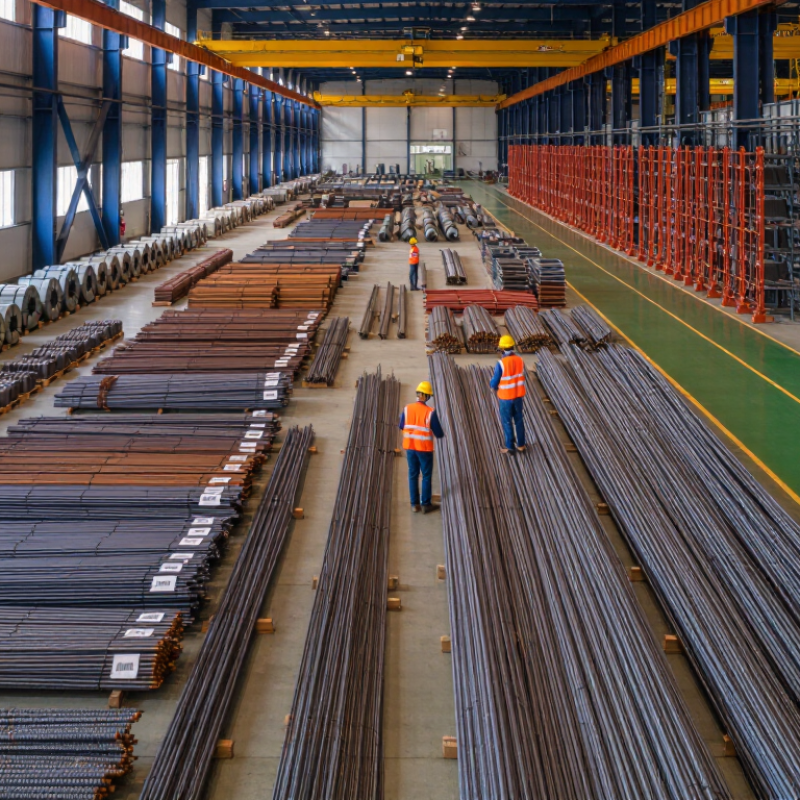
Global Rebar Market Scale: 1.892 Billion Tonnes of Steel in 2023
Global Rebar Market Scale: 1.892 Billion Tonnes of Steel in 2023
The global rebar market reportedly reached 1.892 billion tonnes of steel in 2023. This figure shows the enormous scale of construction reinforcement demand. However, definitions differ between research providers. Some count finished rebar only, while others include related long products. The number is powerful, but not perfectly comparable.
The World Steel Association’s 2024 Short Range Outlook reported global steel demand near 1.75 billion tonnes, highlighting rebar’s major role in infrastructure and building projects. Demand remains concentrated in housing, transport networks, energy facilities, and urban development. A construction site makes this visible: bundled bars arrive, cranes lift them, and workers tie intersections before concrete placement.
Price depends on billet costs, scrap availability, electricity, freight, diameter, and certification requirements. Regional supply also matters. Manufacturers with efficient rolling lines may offer steadier delivery, while suppliers closer to the project can reduce transport risk. Buyers should compare weight tolerances, chemical composition, mill certificates, and shipment terms, not only the quoted price.
That sounds obvious. It is often missed.
Market forecasts also face uncertainty from property slowdowns, delayed public works, and changing interest rates. A reported 1.892 billion tonnes should guide strategy, not replace local verification. Serious procurement teams should check current regional data before signing large contracts.
Rebar Grades and Standards: ASTM A615, A706, BS 4449, and ISO 6935
Rebar prices depend on grade, diameter, origin, certification, and freight, not merely on weight. The World Steel Association’s 2024 Steel Statistical Yearbook reports 1.892 billion tonnes of crude steel production in 2023. This scale supports competitive supply, but it also creates inconsistent quotations. A low price may exclude testing, cutting, bundled delivery, or compliance documents.
ASTM A615 commonly covers carbon-steel bars in Grades 40, 60, and 80. Grade 60 requires a minimum yield strength of 60 ksi, or about 420 MPa. ASTM A706 adds controlled chemistry and improved weldability requirements, making it more suitable for welded or seismic applications.
BS 4449 and ISO 6935-2 commonly use B500A, B500B, and B500C classifications. Their differences involve ductility, elongation, and manufacturing controls. They are not automatically interchangeable. Check the project specification.
A practical purchasing review should verify the mill test certificate, heat number, yield strength, tensile strength, elongation, bend performance, and chemical composition. For welded reinforcement, carbon-equivalent limits matter. Field checks should also confirm bar markings and actual diameter. Small details matter. Industry steel reports can describe market direction, but they cannot replace batch-level inspection. One weakness in many comparisons is the assumption that a higher grade always provides better value. It may increase cost without improving structural performance. Prices should be compared only after matching standards, testing scope, quantity, and delivery terms.
Leading Rebar Manufacturers: Capacity, Certifications, and Regional Output
Choosing a rebar manufacturer requires more than comparing a quoted price. Production capacity shows whether a supplier can protect delivery schedules during peak construction seasons. Large mills may produce several million tonnes annually, while regional facilities often serve projects within a shorter trucking radius. That difference affects freight cost, lead time, and supply risk. Ask for monthly output, furnace capacity, rolling-mill size, and current utilization.
Reliable producers provide test certificates for each heat or shipment. These documents should identify grade, diameter, chemical composition, yield strength, tensile strength, elongation, and bend performance. Look for certification against the project’s required standard, such as ASTM, BS, EN, or equivalent national specifications. A certificate alone is not enough. Independent laboratory verification remains valuable for large orders or unfamiliar suppliers.
Regional output also reflects raw-material access and infrastructure. Coastal plants may handle imported billets efficiently, while inland mills can offer faster service to nearby contractors. Export capability depends on port access, customs experience, and consistent documentation. Request recent mill certificates, production records, and references from comparable projects. Some suppliers report maximum capacity rather than practical output, which can mislead buyers. Prices should be compared with delivered cost, not the factory quotation alone. Rebar procurement is rarely perfect; weather, energy shortages, and transport delays can still disrupt a sound plan. Leave room for inspection and schedule adjustments.
Top Steel Rebars Manufacturers Suppliers and Prices? - Leading Rebar Manufacturers: Capacity, Certifications, and Regional Output
Data notes: Company names and brands are intentionally omitted. Regional crude steel output figures are based on publicly reported 2023 regional production statistics from the World Steel Association. Dedicated rebar capacity and export prices are indicative market-screening ranges rather than audited company disclosures. Prices vary by billet costs, diameter, grade, freight, duties, order volume, and delivery terms; the ranges generally assume standard-length deformed bars on an export basis. Certification and standards should be verified against the supplier’s current certificates and project specifications.
How Rebar Suppliers Compare: Mill Direct, Distributors, and Stock Availability
Top Steel Rebars Manufacturers Suppliers and Prices?
Rebar buyers usually compare three channels: mill direct, distributors, and stockholders. Mill-direct purchasing can offer better pricing for large, planned orders. It also requires stricter scheduling, minimum quantities, and production lead times. The World Steel Association reported 1.892 billion tonnes of global crude steel production in 2023. That scale does not guarantee immediate rebar availability.
Distributors provide flexibility for medium projects and mixed sizes. They often hold common diameters in regional yards, allowing faster delivery to active job sites. Their quotations may include cutting, bundling, testing, storage, and local freight. Stock availability matters when concrete placement dates are fixed. A lower ton price can become expensive after demurrage or rescheduling charges. Check mill certificates, heat numbers, coating specifications, and applicable standards before comparing offers.
Mill-direct prices may look attractive, but logistics can erase the advantage. Regional stock also changes quickly with construction demand and scrap costs. The World Bank Commodity Markets Outlook tracks steel-related commodity pressures, while the OECD’s steel capacity reports highlight continuing global supply imbalance. These reports support a cautious purchasing approach, not blind price chasing. I have seen buyers compare only the headline figure. That is a weak comparison. Ask for a delivered price, confirmed inventory, realistic loading date, and replacement terms for short shipments. Mistakes still happen, especially when forecasts replace verified stock counts.