Top 10 Facts About Hot Rolled Coil You Need to Know?
Hot Rolled Coil is a crucial product in the steel industry. It plays a significant role in various applications, from construction to manufacturing. Understanding its properties and advantages can help companies make informed decisions. This article delves into ten essential facts about Hot Rolled Coil.
These facts highlight its production process and unique characteristics. For instance, Hot Rolled Coil is produced at high temperatures, which allows it to be formed into various shapes. This flexibility makes it attractive for many industries. However, not all Hot Rolled Coil is created equal. Different grades and specifications can affect its performance in specific applications.
Some people may overlook the importance of quality control in the production of Hot Rolled Coil. High-quality materials lead to better end products. On the other hand, subpar coils can result in costly failures down the line. By understanding these facts, businesses can optimize their use of Hot Rolled Coil and ensure reliability in their projects.
What is Hot Rolled Coil and Its Common Applications?
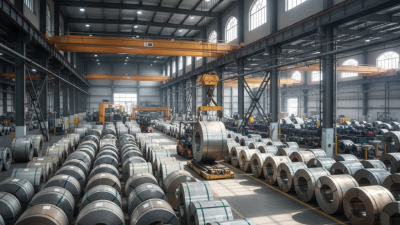
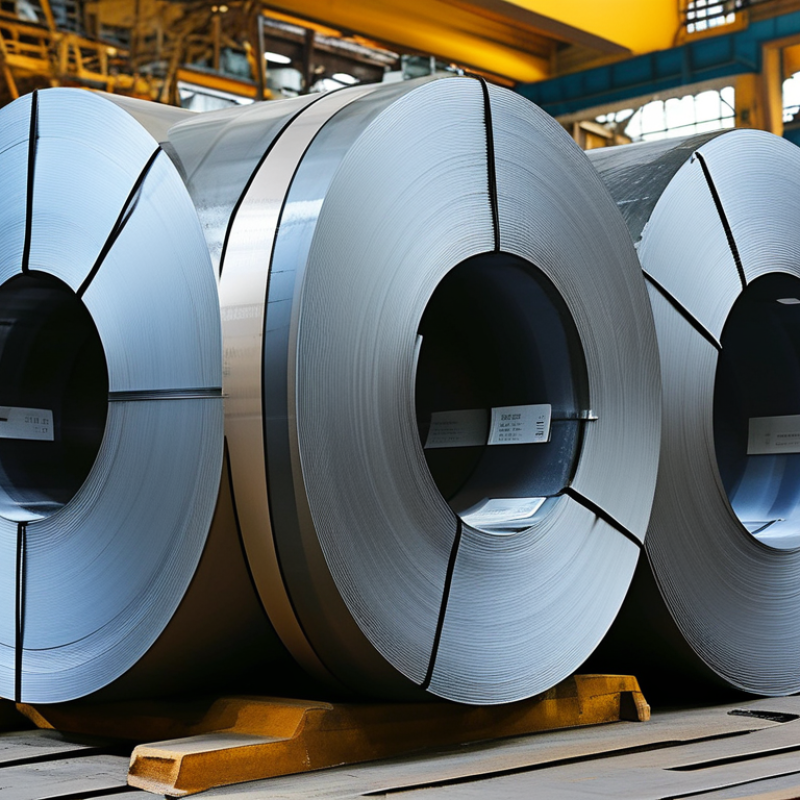
Hot rolled coil (HRC) is a vital steel product, widely used across various industries. It is produced by rolling steel at high temperatures, making it malleable and easy to shape. This process allows for large quantities of metal to be produced quickly, which is crucial for high-demand sectors such as construction and manufacturing.
Common applications of hot rolled coil include structural beams, automotive components, and industrial equipment. In construction, HRC is often used for framing buildings. In the automotive industry, parts like chassis and body panels are made from HRC due to its strength and lightweight properties. Observing these uses points to the coil's flexibility in design and strength.
While hot rolled coil has many advantages, there can be issues to consider. Variations in thickness might occur during production. The surface finish can also be less smooth compared to cold rolled options. These imperfections can influence final applications, making it essential to assess quality for specific projects. Users must evaluate their needs carefully to ensure HRC meets their standards.
The Hot Rolling Process: Step-by-Step Explanation
The hot rolling process is a fundamental method in metal forming. It involves heating metal above its recrystallization temperature. Typically, this temperature exceeds 1,000 degrees Fahrenheit for steel. At these high temperatures, the metal becomes malleable and can be shaped more easily.
Once heated, the metal is passed through rollers. This action reduces the thickness and increases the length. The result is a hot rolled coil, often used in construction and manufacturing. According to industry reports, more than 60% of steel production involves hot rolling. The process is efficient but comes with certain challenges. For example, uniform heating is crucial yet difficult to achieve.
Additionally, surface defects can emerge during hot rolling. These imperfections may stem from impurities in the metal or inconsistent temperatures. Such issues can impact the quality of the final product. Observing these problems leads to reflections on the necessity for rigorous quality checks. The hot rolling process showcases the balance of efficiency and quality. Careful attention to detail can make a significant difference in the end results.
Key Properties and Characteristics of Hot Rolled Coil
Hot rolled coil (HRC) is a critical material in various industries, known for its unique properties. The process involves rolling steel at high temperatures, which refines its structure. This method allows HRC to retain a fine grain, enhancing its strength and ductility. The thickness can vary, usually between 1.2 mm to 25 mm. This flexibility makes it suitable for multiple applications, from automotive parts to construction materials.
Tips: Choose HRC with precise specifications for your project. Consider the material's tensile strength and yield strength when making selections. These properties determine how well the coil will perform under stress.
The surface finish of hot rolled coils is generally rough. While this might be a drawback for some uses, it can benefit applications where a strong bond is needed, such as welding. However, the roughness can lead to inconsistencies. Proper surface treatment may be necessary to address this issue.
Tips: Always check for surface defects before usage. Small imperfections can impact the integrity of your final product. Addressing these concerns early on can save time and resources in the long run.
Advantages of Using Hot Rolled Coil in Manufacturing
Hot rolled coil (HRC) is a key material in manufacturing sectors such as automotive, construction, and agriculture. Its manufacturing is direct and efficient, leading to significant cost advantages. According to industry reports, hot rolling reduces material costs by up to 15% compared to cold rolling. The shaping process allows for large quantities of metal to be processed quickly, making it ideal for high-demand applications.
Using HRC results in materials that are more ductile and easier to work with. The production method introduces less internal stress, which helps maintain the integrity of the steel during further processing. Data from the American Iron and Steel Institute indicates that the use of HRC can increase yield strength by over 20%, enhancing performance in structural applications. However, despite its advantages, the surface finish of hot rolled products can sometimes be rough. This may require additional processing to meet aesthetic standards.
Furthermore, HRC has environmental benefits. The hot rolling process generally consumes less energy than other methods, contributing to lower carbon emissions. Reports suggest a reduction of around 30% in energy use in some cases. Yet, manufacturers should remain aware of the variability in quality and performance. Ensuring consistent standards is critical for applications that demand precision, reminding users to assess their specific needs.
Top 10 Facts About Hot Rolled Coil
Hot rolled coils are vital in various manufacturing processes. Here are some key advantages represented in the chart below:
Environmental Considerations in Hot Rolling Production
Hot rolling is a widely used process in metal production, but it’s essential to consider its environmental impacts. The energy consumption in hot rolling is significant. It often relies on fossil fuels, which contribute to greenhouse gas emissions. During production, particulate matter and other pollutants are released into the air. This requires manufacturers to implement effective filtration and recycling systems to mitigate these effects.
Water usage is another concern in hot rolling processes. Cooling and cleaning require large amounts, which can lead to water scarcity. Many plants are now recycling water to lessen their footprint. This not only conserves water but also reduces the amount of wastewater produced. However, the challenge remains in treating water effectively. Without proper treatment, contaminants can harm local ecosystems.
Sustainable practices are emerging in the hot rolling industry. Innovations focus on using renewable energy sources and reducing waste. Companies are exploring alternative materials that minimize environmental damage. Still, the transition to greener practices is not uniform, and many producers face challenges in implementation. Continuous improvement and adherence to evolving environmental standards are crucial for making hot rolling more sustainable.