How to Source Metal Bars for Your Global Manufacturing Needs?
In today's manufacturing landscape, sourcing quality metal bars is a critical aspect for companies operating globally. The demand for metal bars has surged, as evidenced by a report from MarketsandMarkets, which anticipates a growth of over 5% in the metal market by 2025. This trend underscores the necessity for manufacturers to find reliable suppliers that can meet their diverse needs.
Metal bars come in various grades and forms, each serving specific applications. The complexity of sourcing requires an understanding of the specific requirements, including alloy composition and production standards. For instance, aerospace manufacturers often require high-strength metal bars, which must meet strict performance standards. Companies must ensure that their suppliers adhere to international certifications like ISO 9001.
While numerous suppliers are available worldwide, the challenge lies in evaluating their reliability and production capacity. Factors such as lead times and logistics play a significant role in the procurement process. A well-structured supply chain strategy can mitigate risks and enhance efficiency. Ultimately, businesses must reflect on their sourcing strategies to align with their manufacturing goals and ensure sustainable practices. This approach is not just about quantity but also about quality and trust in suppliers of metal bars.
Understanding Different Types of Metal Bars and Their Applications
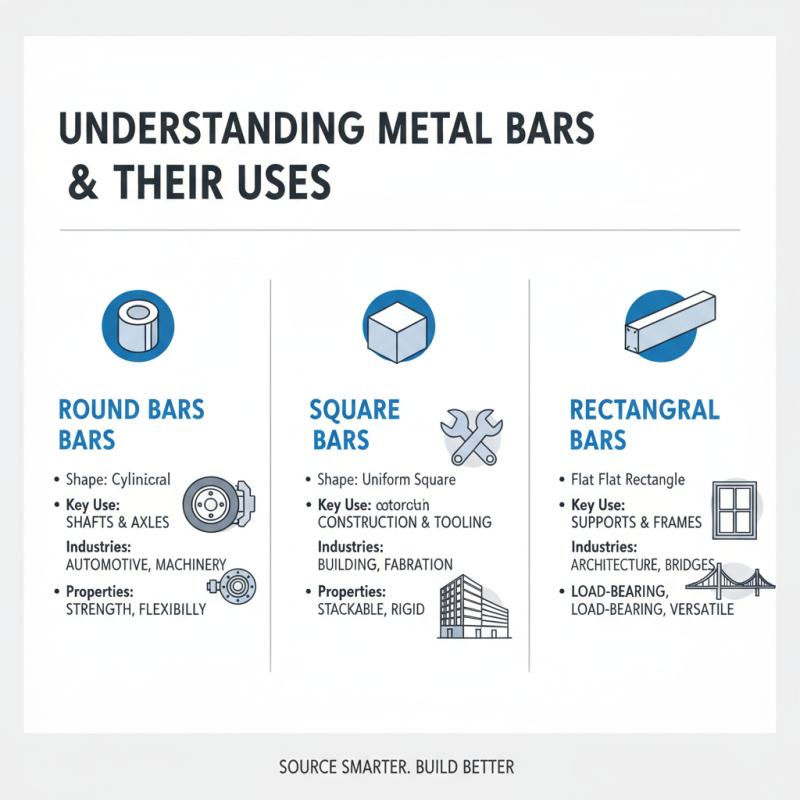
When sourcing metal bars for manufacturing, understanding the types and their applications is crucial. Metal bars come in various forms, including round, square, and rectangular shapes. Each type serves distinct purposes in different industries. For instance, round bars are often found in the automotive sector for shafts and axles. They provide strength and flexibility. Square bars, on the other hand, are commonly used in construction and tooling applications. Their uniform shape allows for easy stacking and handling.
The choice of metal also matters. Stainless steel bars resist corrosion, making them ideal for kitchen equipment. Aluminum bars, being lightweight, are perfect for aerospace applications, yet they may lack the strength of steel. It’s vital to analyze your specific needs before selection. Moreover, sourcing metal bars can be inconsistent due to global supply issues. Some regions may face shortages, leading to delays. Manufacturers need to adapt quickly, sometimes resorting to secondary suppliers. Reflecting on past sourcing challenges can help improve future procurement processes. Identifying reliable sources is key. A trusted supplier enhances project reliability. Yet, not every supplier is dependable. Careful vetting is necessary for successful partnerships.
Assessing Quality Standards for Metal Bars in Global Manufacturing
When sourcing metal bars for global manufacturing, assessing quality standards is crucial. Metal bars come in various grades and alloys. Understanding these specifications can prevent costly mistakes in production. For instance, knowing the difference between stainless steel and carbon steel can impact durability and corrosion resistance. Each application may require specific qualities, so manufacturers must clarify their needs before sourcing.
Quality standards vary by region. It’s essential to familiarize yourself with the international standards that apply, such as ASTM or ISO. These organizations set guidelines to ensure consistency. However, not all suppliers adhere strictly to these standards. Conducting quality audits can help mitigate this risk. Regular inspections and third-party certifications are beneficial. They ensure that materials meet your specific requirements.
Manufacturers often face challenges with supplier reliability. Some suppliers may promise high-quality materials but fail to deliver. It's vital to develop strong relationships with a set of trusted suppliers. Collect feedback from your production team about the materials used. This insight can guide future sourcing decisions. The goal is to maintain quality while meeting production timelines. Reflecting on past sourcing experiences can also lead to improvements in selecting suppliers.
Identifying Reliable Suppliers for Metal Bars Worldwide
Finding reliable suppliers for metal bars is crucial for global manufacturing. Understanding the sourcing landscape can improve your supply chain. Start by researching key players in the industry. Attend trade shows and industry conferences to meet potential suppliers. This will help establish direct connections and gain insights into their reliability.
Tips: Verify supplier credentials. Request references from their previous clients. Quality assurance processes are essential. Ask about their manufacturing standards, material sourcing, and quality control measures. Reliable suppliers should be transparent and responsive. They should be able to address your concerns promptly.
Consider the geographic location of the supplier. Some regions may have better access to raw materials or advanced technology. However, don't overlook smaller manufacturers. They might offer competitive pricing and personalized service. Balance your selection by evaluating both large and small suppliers.
When building relationships, prioritize clear communication. Discuss timelines, payment terms, and delivery methods upfront. Regular check-ins can help maintain strong partnerships. Remember that not every supplier will meet your expectations. Adjust your criteria based on your experiences and remain open to new possibilities.
How to Source Metal Bars for Your Global Manufacturing Needs?
| Supplier Location |
Material Types |
Certifications |
Lead Time (Weeks) |
Minimum Order Quantity |
| Germany |
Aluminum, Steel |
ISO 9001, RoHS |
4 |
200 kg |
| China |
Copper, Brass |
TS 16949, ASTM |
6 |
1000 kg |
| USA |
Stainless Steel |
AS9100, ISO 14001 |
5 |
500 kg |
| India |
Carbon Steel |
ISO 45001, CE |
3 |
300 kg |
| Brazil |
Nickel |
ISO 9001, NBR |
7 |
150 kg |
Evaluating Cost Factors and Import Regulations for Metal Bars
When sourcing metal bars for manufacturing globally, cost evaluation is crucial. Prices differ by metal type, market demand, and supplier location. Additionally, transportation fees and currency fluctuations impact overall expenses. It's vital to obtain multiple quotes to understand real costs clearly. Sometimes, the cheapest option may lead to longer delays or inconsistent quality, which hurts production schedules.
Import regulations add another layer of complexity. Every country has unique tariffs, customs duties, and documentation needs. Failing to comply with these rules can cause costly delays or confiscation. For example, certain metals require special permits or certificate verification during customs clearance. Staying updated on trade agreements and import restrictions helps prevent surprises. However, even experienced professionals face challenges due to frequently changing regulations, which demand constant vigilance.
In practice, thorough planning is essential but difficult. Balancing cost, quality, and compliance often requires negotiation and quick adjustments. Learning from past shipments can improve future sourcing strategies, though no approach guarantees perfection. A careful, informed approach increases chances for success though some risks always remain.
Best Practices for Logistics and Transportation of Metal Bars
Sourcing metal bars for global manufacturing is a complex task. Logistics and transportation require careful planning. Understanding the nuances can lead to smoother operations.
One essential tip is to evaluate storage options. Maintain a flexible inventory system. This allows for adjustments as market demands change. Also, consider regional transportation rates. They can vary significantly and impact overall costs.
When transporting metal bars, ensure compliance with regulations. Different regions have varying rules about weight limits and materials. Keep communication open with shipping partners. Misunderstandings can lead to delays and added expenses.
Reflect on the sensitivity of timelines. Delays may arise from customs checks or weather conditions. It’s important to have contingency plans in place. This reduces stress and helps maintain production schedules. Expanding your logistics network can enhance reliability. Stay informed about best practices and market shifts.
Global Metal Bar Sourcing Trends (2023)