What is a Rolled Bar and How is it Used in Construction?
In the construction industry, the term "Rolled Bar" refers to a type of steel bar commonly used for reinforcement. These bars play a critical role in ensuring structural integrity. According to Dr. Emily Carter, a leading expert in construction materials, "Rolled Bars provide the strength and flexibility needed for modern building projects." This insight highlights their importance in various constructions.
Rolled Bars are essential in creating durable frameworks. They are used in bridges, buildings, and infrastructure. The manufacturing process shapes steel into bars of various dimensions. However, not every project utilizes them effectively. Some builders overlook the quality and specifications of the bars they use. This can lead to potential failures or structural weaknesses.
Moreover, the debate over the environmental impact of rolled bars is ongoing. While they are strong, the production processes can be energy-intensive. This poses a dilemma for eco-conscious builders. They must balance strength with sustainability. In the quest for innovation, using Rolled Bars can be both a remedy and a challenge in construction.
Definition and Composition of Rolled Bars in Construction
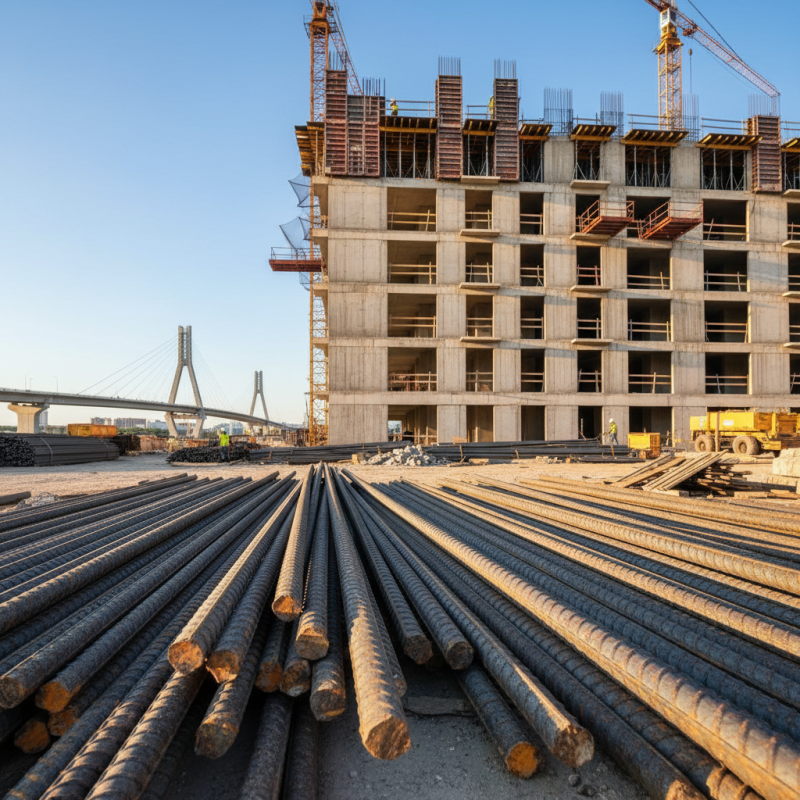
Rolled bars, also known as reinforcing bars or rebar, are essential in construction. These bars are typically made from steel. They are heated and shaped into various profiles. The process of rolling makes them strong and durable. Their primary function is to provide support in concrete structures. This integration helps resist tension forces, enhancing the overall strength.
The composition of rolled bars is crucial. Most bars consist of carbon steel, which provides flexibility and resilience. Additional alloying elements can be included to improve specific properties. Often, these bars have a ribbed surface, promoting better adhesion with concrete. This feature ensures that the concrete and steel bond effectively, reducing slippage during load.
Despite their benefits, understanding rolled bars can be complex. Designers must consider factors such as load requirements and environmental conditions. Not every type of rolled bar suits every project. Sometimes engineers mix different grades for optimal results. This requires careful planning and assessment, ensuring safety and performance in constructions.
Usage of Rolled Bars in Construction
Types of Rolled Bars and Their Specific Applications
Rolled bars are essential materials in construction. They come in various shapes, including round, square, and rectangular. Each type has unique properties that make it suitable for specific applications.
For instance, round bars are often used in reinforcing concrete structures. Their shape provides excellent tensile strength. On the other hand, square and rectangular bars are commonly used in structural frameworks. These shapes allow for easy connections and modifications.
Additionally, the choice of rolled bar can impact project costs and durability. A simple mistake in selection could lead to weakened structures. It’s crucial to assess the project requirements thoroughly. Non-optimal choices may lead to costly repairs in the future. Proper training and knowledge are vital for using these materials effectively. The construction industry must continuously learn from past errors to improve outcomes.
Manufacturing Process of Rolled Bars and Quality Control
The manufacturing process of rolled bars is intricate and requires precision. Typically, the process starts with heating steel billets to high temperatures. This makes the metal malleable. Once heated, the billets are passed through a series of rollers that gradually shape them into bars of desired dimensions. According to industry data, the global demand for rolled bars is projected to grow at a CAGR of 4.1% from 2021 to 2026.
Quality control is critical in producing rolled bars. Manufacturers often perform rigorous testing to ensure that each batch meets industry standards. Common tests include tensile strength and hardness measurement. These tests can reveal flaws in the material. For instance, a study found that 15% of rolled bars failed initial quality checks due to improper temperature control during the rolling process. Such errors can lead to costly project delays, emphasizing the importance of a strong quality assurance protocol.
In construction, the reliability of rolled bars affects structural integrity. Flaws in bars can result in weakened foundations. It’s surprising how many projects overlook this aspect. Focusing on thorough quality control not only enhances safety but also supports material efficiency. Using advanced technologies for monitoring can mitigate risks and improve overall outcomes.
Advantages of Using Rolled Bars in Construction Projects
Rolled bars are vital to the construction industry. They are commonly used in structural applications, such as beams and columns. Their manufacturing process allows for consistent sizes and shapes. This quality enhances their reliability and performance.
One of the main advantages of rolled bars is their high strength-to-weight ratio. A report from the American Institute of Steel Construction (AISC) highlights that using steel can reduce overall project weight by up to 20%. This reduction can lead to lower material costs and easier handling on-site. However, it's crucial to consider the carbon footprint associated with producing rolled bars. Some projects might not account for these sustainability factors.
Additionally, rolled bars can be fabricated to meet specific project needs. This customization makes them ideal for complex designs. A study from the Structural Engineering Institute suggests that up to 30% of construction delays can be attributed to improper materials. Using rolled bars mitigates this risk by providing standardized options. Yet, project managers must continuously evaluate the best types of materials. Not all rolled bars are created equal, and poor choices can lead to structural concerns.
What is a Rolled Bar and How is it Used in Construction? - Advantages of Using Rolled Bars in Construction Projects
| Dimension |
Material Type |
Common Applications |
Advantages |
| 10 mm |
Carbon Steel |
Reinforcement |
High tensile strength |
| 12 mm |
Alloy Steel |
Support Structures |
Improved ductility |
| 16 mm |
Stainless Steel |
Bridges and Highways |
Corrosion resistance |
| 20 mm |
Mild Steel |
Commercial Buildings |
Cost-effective |
| 25 mm |
High Carbon Steel |
Heavy Machinery |
Enhanced strength-to-weight ratio |
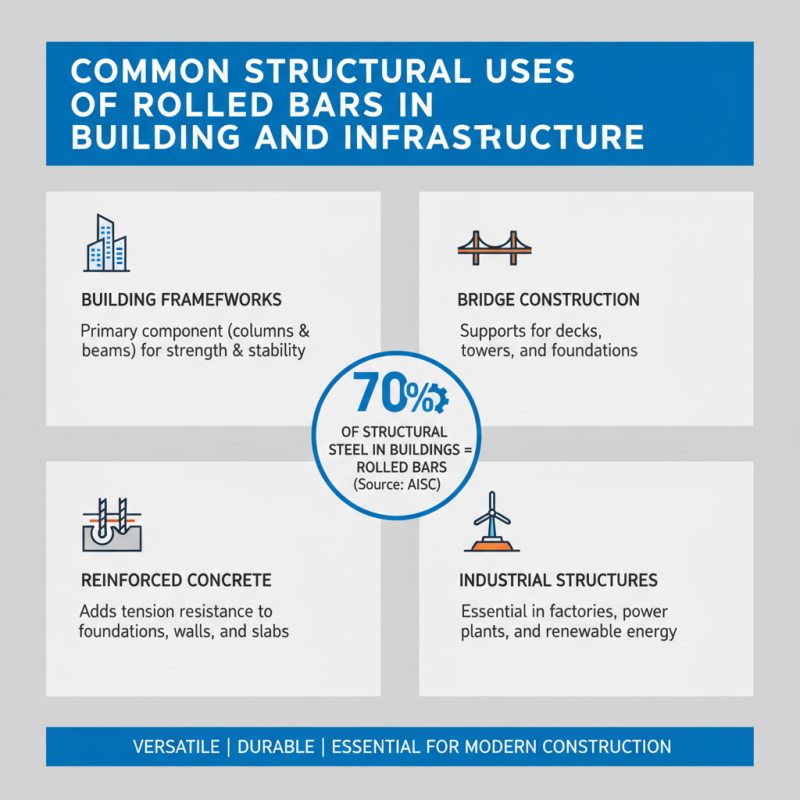
Common Structural Uses of Rolled Bars in Building and Infrastructure
Rolled bars are essential elements in modern construction. Their structural versatility makes them a popular choice in various applications. According to the American Institute of Steel Construction (AISC), about 70% of steel used in buildings consists of rolled bars. They provide strength and stability, which are crucial in building designs.
In infrastructure projects, rolled bars serve many purposes. They are commonly used in beams, columns, and framework to support loads effectively. In bridges, they enhance tensile strength. Statistics show that nearly 50% of highway bridges in the U.S. utilize rolled steel products. This proves their importance in ensuring longevity and safety.
However, the use of rolled bars isn't without challenges. Sourcing quality steel can be difficult and can lead to variations in performance. Construction teams often face delays due to supplier issues. Additionally, some engineers might overlook the potential for corrosion, impacting the lifespan of the bars. This highlights the need for more rigorous standards and better materials management in the construction industry.