Why Are Steel Rebars Essential in Construction Projects?
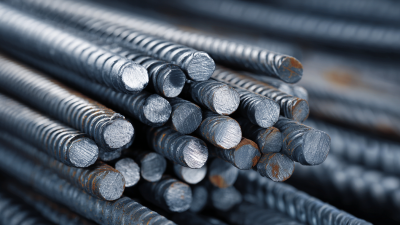
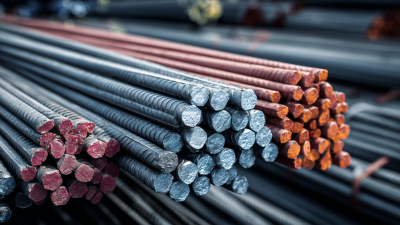
In the world of construction, the role of Steel Rebars cannot be overstated. These steel bars provide the essential framework that ensures the structural integrity of buildings, bridges, and other infrastructures. Without Steel Rebars, concrete structures would be weak and prone to cracking and failure, leading to significant safety concerns. The use of Steel Rebars enhances the tension strength of concrete, making it much more resilient.
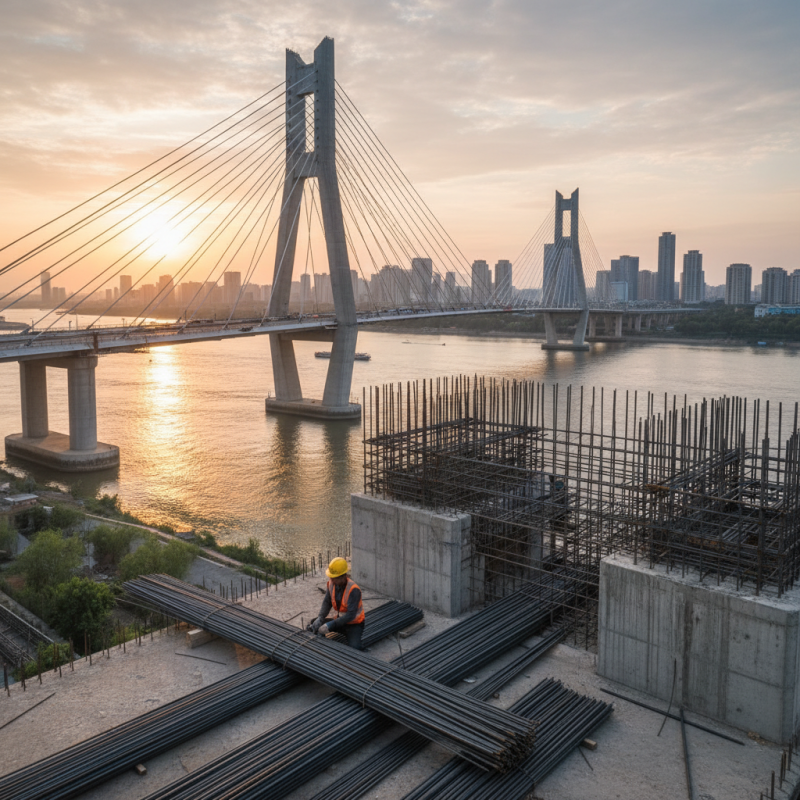
Consider a bridge spanning a wide river. It relies heavily on Steel Rebars embedded within its concrete supports to withstand both the weight of traffic and natural forces like wind. However, one must reflect on the quality of materials used. Not all Steel Rebars are created equal, and subpar products can lead to catastrophic results. It is crucial to ensure that the right grade and type of Steel Rebars are chosen for each project.
Moreover, the installation process requires attention to detail. Misalignment or inadequate support during placement can compromise the entire structure. This calls for a deep understanding of engineering principles and meticulous execution. While Steel Rebars are vital, the success of construction projects ultimately hinges on human skill and oversight. The interplay of these elements shapes the safety and longevity of the structures we rely on every day.
The Role of Steel Rebars in Enhancing Structural Integrity
Steel rebars play a critical role in construction by enhancing structural integrity. These bars, embedded within concrete, provide tensile strength that concrete alone lacks. This combination allows concrete structures to withstand heavy loads and resist cracking. Without rebars, buildings and bridges would be much more vulnerable to failure.
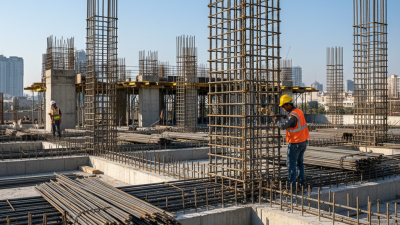
In many projects, the placement of rebars can be a challenging task. Constructors must follow precise engineering specifications to ensure the optimal performance of the structure. Misalignment or inadequate coverage can lead to significant weaknesses. This aspect often becomes a point of reflection for teams after construction. Such oversight can be frustrating and requires careful planning and execution.
Furthermore, the type of steel used in rebars matters. Different environments can cause corrosion, impacting durability. Thus, selecting the right materials for local conditions is essential. Some projects may underemphasize this aspect, leading to long-term issues. It's important to continuously review practices and adapt to emerging technologies. This can enhance the effectiveness of steel rebars in future construction efforts.
Importance of Steel Rebars in Construction Projects
This chart illustrates the role of steel rebars in enhancing structural integrity across different types of construction projects.
Key Properties of Steel Rebars that Make Them Ideal for Construction
Steel rebars play a crucial role in construction projects due to their unique properties. Their high tensile strength allows them to withstand significant loads. According to the American Concrete Institute, the tensile strength of common steel rebars is approximately 60,000 psi. This strength helps structures endure various stresses over time. A well-designed concrete structure combines concrete and rebar effectively, ensuring durability.
Corrosion resistance is another key property. Many projects face moisture exposure, increasing the risk of rust. Galvanized and epoxy-coated rebars provide additional protection. According to a report by the National Association of Corrosion Engineers, corrosion can reduce a building's lifespan by up to 50%. Using protective coatings can significantly mitigate this risk.
Moreover, steel rebars are flexible. This flexibility is vital in earthquake-prone areas. It allows structures to absorb energy and prevent catastrophic failures. However, improper placement or insufficient quantities can lead to structural weaknesses. Ensuring the right amount and quality of rebars is essential for safety. Construction teams need to be diligent in their assessments to avoid failures in the future.
Statistical Trends in Steel Rebar Usage in Major Construction Projects
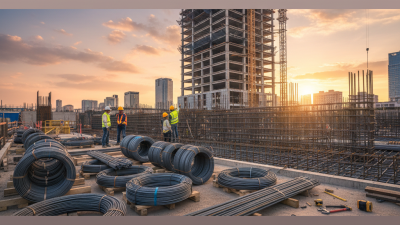
Steel rebars play a crucial role in construction projects. They provide stability and strength for various structures. Recent statistical trends show a steady increase in their usage across major construction sites. From skyscrapers to bridges, rebars are everywhere. In fact, the demand for steel rebars has risen by over 10% in the last five years.
Many project managers overlook the importance of quality rebars. Cheap alternatives may seem tempting but typically fail to provide adequate support. This can lead to weakened structures and increased repair costs. Ensuring the right type of rebar can make a significant difference in project longevity.
Tip: Always conduct a stress test on the selected rebars. Also, monitor trends in usage for future projects to adapt your approach. Remember, rebar density and placement are as vital as the type. Using outdated methods could result in structural failures. Review your choices regularly and be ready to make adjustments.
Why Are Steel Rebars Essential in Construction Projects? - Statistical Trends in Steel Rebar Usage in Major Construction Projects
| Project Type |
Region |
Steel Rebar Usage (tons) |
Percentage of Total Material Costs (%) |
Year of Project |
| Highway Construction |
North America |
15000 |
15% |
2022 |
| Commercial Building |
Europe |
10000 |
20% |
2021 |
| Bridge Construction |
Asia |
20000 |
25% |
2023 |
| Residential Development |
Oceania |
8000 |
10% |
2020 |
| Industrial Facility |
South America |
12000 |
18% |
2022 |
Comparative Analysis of Steel Rebars vs. Alternative Reinforcing Materials
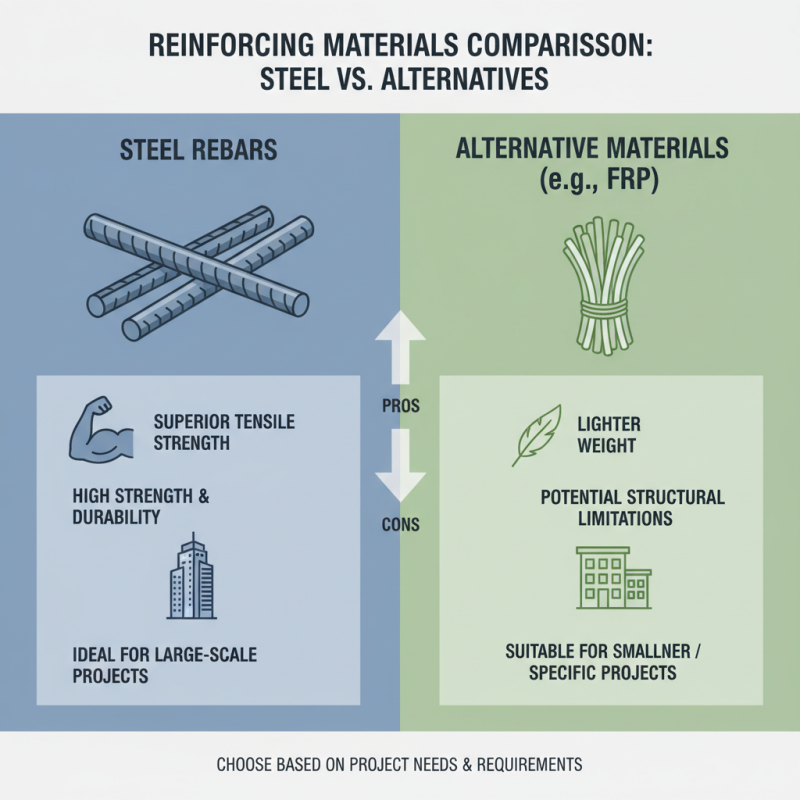
When comparing steel rebars to alternative reinforcing materials, several factors must be considered. Steel rebars are strong and durable. They provide excellent tensile strength, making them a top choice for construction. In contrast, materials like fiber-reinforced polymers (FRP) may be lighter but can lack the same structural integrity. This can be a significant limitation in large-scale projects.
Cost is also a decisive factor. Steel rebars are often more affordable than many alternatives. However, they can corrode over time, which affects longevity. Alternatives might resist corrosion better but can be pricier and less available. This raises questions about budget constraints and long-term durability.
Another consideration is ease of use. Steel rebars are widely understood and accepted in the industry. Many workers are trained to handle them effectively. But some innovative materials require specialized installation knowledge. This might lead to errors or delays on site, which is not ideal for tight schedules. As construction evolves, these choices will impact project outcomes significantly.