10 Essential Tips for Working with Corrugated Steel for Better Results
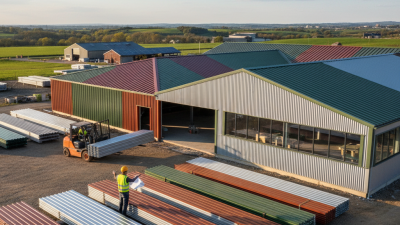
Corrugated steel is a versatile and durable material widely used in construction and architecture. Its unique ridged shape provides strength and stability, making it ideal for roofing, siding, and structural applications. However, working with corrugated steel presents challenges that require careful attention to detail. Professionals must understand the properties of this material to achieve the best results.
Effective strategies can significantly enhance the performance of corrugated steel. Familiarity with tools and techniques is crucial. Mistakes can lead to wasted materials and increased costs. Always account for the specific environmental conditions when planning your project.
Achieving quality results with corrugated steel involves more than just following basic steps. It requires a deep understanding of material behavior, correct installation methods, and regular maintenance. A reflective approach can help identify areas for improvement. Embracing the learning journey with corrugated steel can lead to impressive outcomes and lasting structures.
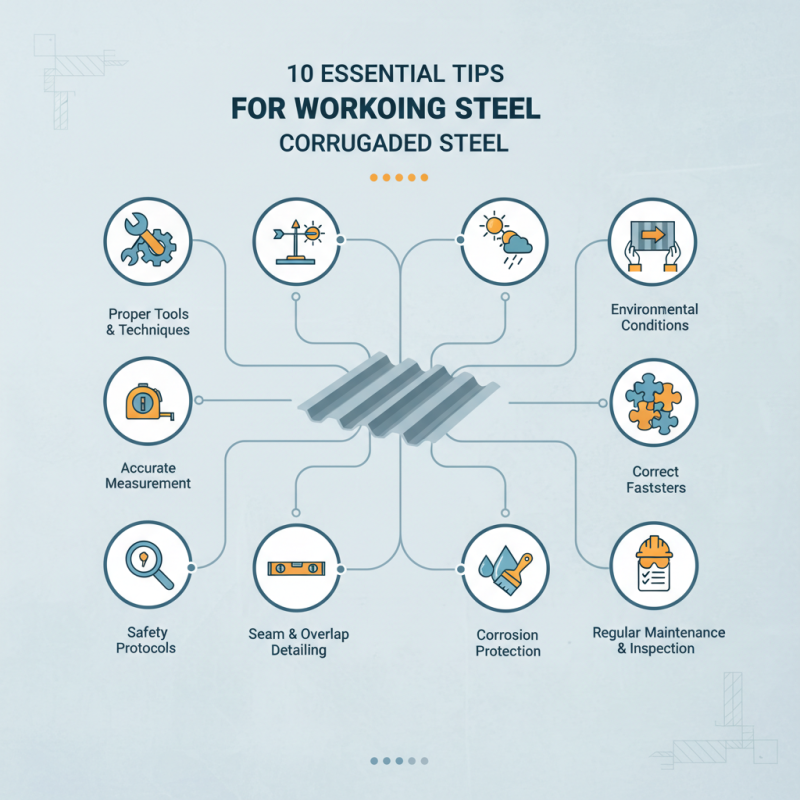
Understanding the Properties of Corrugated Steel for Effective Use
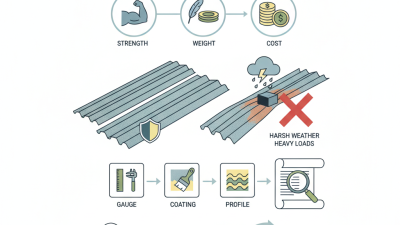
When working with corrugated steel, it’s crucial to grasp its unique properties. Corrugated steel is known for its strength, lightweight nature, and durability. This makes it ideal for various applications, including roofing and wall cladding. Its ridged shape enhances structural integrity. However, improper handling may lead to unexpected results.
The material's resistance to corrosion is significant yet not infallible. Regular maintenance is essential to ensure longevity. Proper storage is key; exposure to moisture can invite rust. Cutting techniques can also impact the finish of your project. Always use the right tools to avoid damaging the edges.
Understanding thermal expansion is vital. Corrugated steel can expand and contract with temperature changes. This may affect joints and connections. Yet, many overlook this when designing their projects. Acknowledging these aspects can enhance your work and minimize mistakes. The right approach leads to better project outcomes.
Essential Tools and Equipment for Working with Corrugated Steel
When working with corrugated steel, having the right tools is crucial for achieving the desired results. Essential tools include metal cutting shears and a heavy-duty saw. These tools help ensure clean cuts without jagged edges. A good set of safety equipment, such as gloves and goggles, is also necessary. Protecting yourself while handling sharp materials is vital.
Measuring tools like a tape measure and a square guarantee precise cuts and alignments. A level is important for ensuring your structure is stable. A drill with appropriate bits allows for easy fastening in various applications. However, using the wrong bit can lead to stripping. Always check compatibility before starting.
Gathering the right equipment is a reflection of your work ethic. However, rushing can lead to overlooking essential details. Errors can occur easily, especially if tools are not familiar. Creating a checklist might help in planning. Constantly assessing your tools and their condition helps in maintaining effectiveness. Making mistakes is part of the learning curve.
10 Essential Tips for Working with Corrugated Steel for Better Results - Essential Tools and Equipment for Working with Corrugated Steel
| Tip No. |
Tip |
Essential Tools |
Safety Equipment |
| 1 |
Plan your cuts carefully |
Metal Snips |
Safety Goggles |
| 2 |
Use a straight edge for cutting |
Utility Knife |
Work Gloves |
| 3 |
Pre-drill holes for fasteners |
Drill |
Face Mask |
| 4 |
Use zinc-plated screws to prevent rust |
Screwdriver |
Ear Protection |
| 5 |
Take accurate measurements before cutting |
Measuring Tape |
Hard Hat |
| 6 |
Support the steel while cutting |
Saw Horses |
N95 Respirator |
| 7 |
Keep edges smooth to avoid injury |
File or Grinder |
High-Visibility Vest |
| 8 |
Store materials properly to avoid damage |
Storage Racks |
Steel-Toed Boots |
| 9 |
Use clamps for secure holding |
Clamps |
Gloves |
| 10 |
Clean up the workspace after finishing |
Broom and Dustpan |
Safety Helmet |
Preparation Steps Before Cutting and Shaping Corrugated Steel
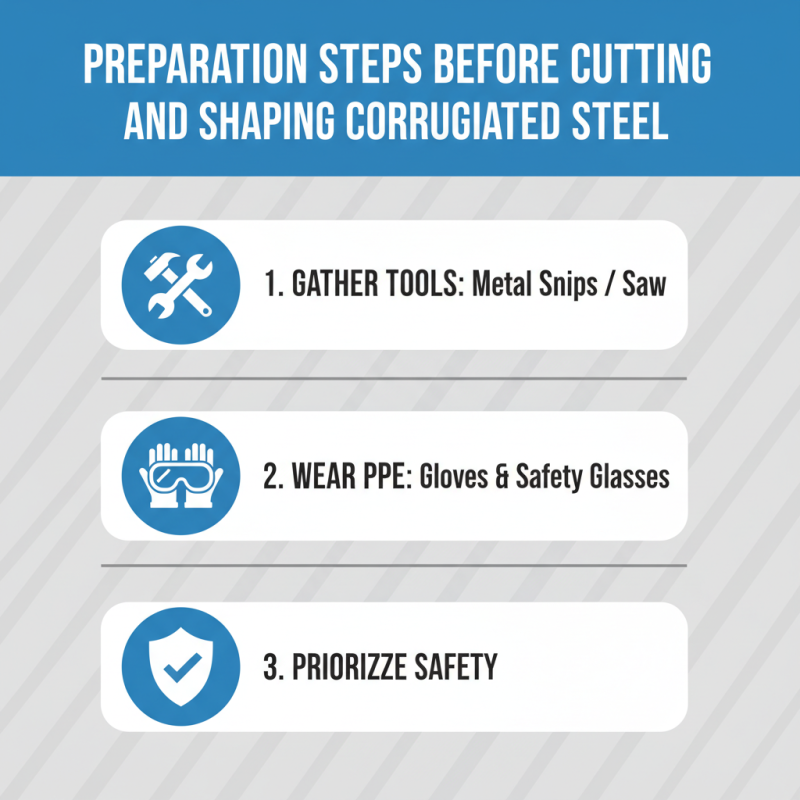
Preparing to cut and shape corrugated steel requires deliberate steps. Start by gathering the right tools. A reliable metal snip or saw ensures clean cuts. Proper personal protective equipment, like gloves and safety glasses, is vital. Safety should always be a top priority.
Before making any cuts, properly measure and mark the steel. Use a sturdy marker to outline your cuts clearly. This prevents mistakes and saves time. It's essential to double-check these measurements. An incorrect cut can lead to wasted material and frustration. Additionally, always keep the workspace organized. A clutter-free area reduces the chance of accidents.
When working with corrugated steel, remember the metal’s flexibility. It can warp if not handled correctly. Start cutting from the center of your marked area. This helps maintain its shape. Practicing on scrap pieces can also help boost confidence. Learning from small errors leads to greater results. Using these preparation steps can ease your process significantly.
Safety Precautions to Consider When Handling Corrugated Steel
When handling corrugated steel, safety is paramount. According to the Occupational Safety and Health Administration (OSHA), approximately 20% of workplace injuries occur in the construction sector. This highlights the need for strict adherence to safety protocols when working with materials like steel. Proper personal protective equipment (PPE) should always be worn. This includes gloves, protective eyewear, and hard hats. The sharp edges of corrugated steel can cause serious injuries if not handled carefully.
Moreover, adequate training is essential for workers. A study by the National Safety Council (NSC) reported that almost 30% of workplace injuries result from operator errors. Employees should be trained in lifting techniques to avoid strains and injuries. Always secure the area when lifting heavy sheets to prevent accidents. Keeping the workspace clear of obstructions also plays a crucial role in maintaining safety.
Investing in proper tools is another consideration. Many accidents stem from using inadequate or faulty equipment. Regular inspections and maintenance can prevent equipment failure, which could lead to injuries. While the goal is efficiency, it is critical to prioritize safety over speed. Reflecting on safety practices can lead to better outcomes and a healthier workforce.