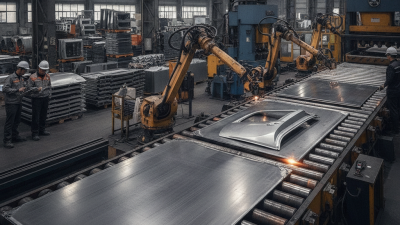
Why Choose Metal Sheet for Your Next Project?
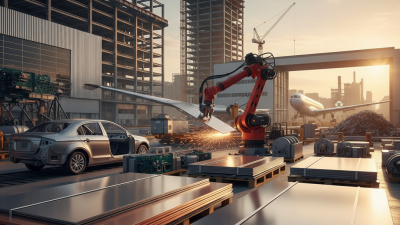
In a world where construction materials greatly impact project success, metal sheet stands out as a versatile solution. According to the latest industry report by MarketsandMarkets, the global metal sheet market is projected to reach $310 billion by 2026, reflecting a 5.1% annual growth rate. This highlights the rising demand for metal sheets across various sectors like automotive, construction, and aerospace.
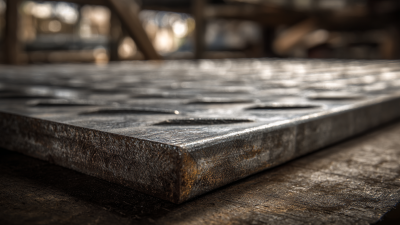
Metal sheets offer numerous benefits. They are durable, lightweight, and customizable. Steel and aluminum sheets can be easily shaped to fit specific needs, making them ideal for intricate designs. However, while metal sheets are celebrated for their strength, their environmental impact is often overlooked. The manufacturing process can generate substantial emissions, calling for a more sustainable approach.
Choosing metal sheets involves careful consideration. While they provide structural integrity, it is essential to balance functionality with sustainability. As the market evolves, scrutiny on the sourcing of materials and production practices will determine the future of metal sheets in responsible construction.
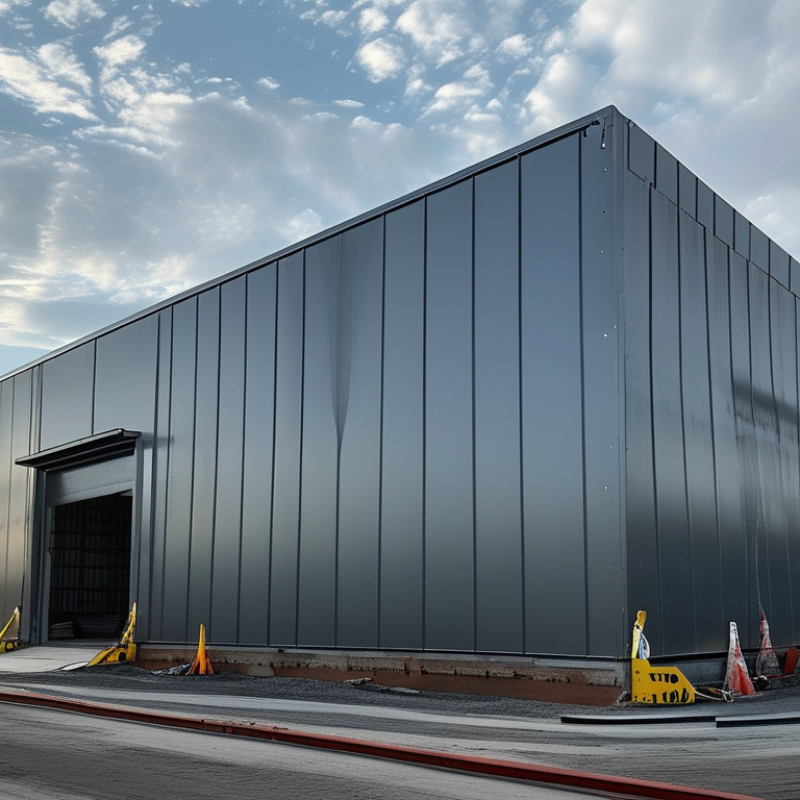
Benefits of Using Metal Sheets in Construction Projects
Metal sheets are gaining popularity in construction. They offer considerable benefits that are hard to overlook. Durability is a key advantage. Metal sheets withstand harsh weather conditions, making them reliable for building infrastructure. They resist corrosion, ensuring a longer lifespan. This reliability can save money in the long run, reducing the need for frequent repairs.
Another significant benefit of metal sheets is their versatility. They come in various sizes and thicknesses, catering to different project requirements. From roofing to wall cladding, metal sheets can be adapted for various applications. This flexibility can enhance design possibilities and streamline construction workflows.
Choosing the right type of metal sheet is crucial. Consider the specific needs of your project to determine the material best suited for your requirements. Different metals offer unique properties, such as weight and strength. Maintain open communication with your construction team to ensure everyone is aligned on materials. Keeping an eye on the budget is essential as well. While metal sheets can be a bit pricier upfront, their long-term benefits often outweigh initial costs.
Durability and Longevity: Why Metal Sheets Stand Out
When considering materials for construction or fabrication, metal sheets offer impressive durability and longevity. According to a recent report from the Metal Construction Association, metal sheets can last over 50 years with minimal maintenance. This long lifespan is significantly longer than many other materials, making metal a wise choice for projects requiring reliability. With their resistance to corrosion and extreme weather, metal sheets can withstand harsh conditions without losing integrity.
In terms of sustainability, metal sheets are often recyclable. A study by the National Recycling Coalition indicates that over 90% of metal products can be recycled, reducing waste. However, choosing recycled metal can sometimes lead to variability in quality. It's essential to assess the source of your materials, as not all recycled metals meet the required standards for strength and durability. This consideration is critical for projects that demand precision and reliability.
Additionally, while metal sheets can be easily shaped and formed into various designs, their high initial cost can be a drawback. Balancing upfront investments against long-term savings is crucial. Remember, a cost-effective solution today may not stand the test of time. Thus, evaluating both immediate budget constraints and the expected lifespan of the material is essential for informed decision-making.
Versatility of Metal Sheets for Various Applications
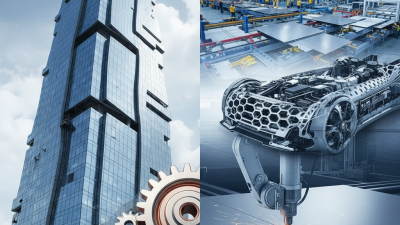
Metal sheets have gained significant popularity across various industries due to their remarkable versatility. They are used in construction, automotive, aerospace, and manufacturing sectors. According to a report by Smithers Pira, the global metal packaging market is expected to reach nearly $200 billion by 2025. This growth is largely due to the lightweight yet durable nature of metal sheets.
In construction, metal sheets serve multiple functions, from roofing to wall cladding. Their resistance to corrosion ensures longevity, reducing maintenance costs. The American Iron and Steel Institute states that steel roofing can last up to 50 years. Furthermore, metal sheets can be easily cut and shaped to fit specific needs, making them ideal for custom projects.
Additionally, metal sheets are a sustainable option. They are recyclable, with the recycling process consuming less energy compared to manufacturing new metal. However, the industry faces challenges like fluctuating raw material prices and waste management issues. Proper handling and installation are crucial to maximizing their benefits. While metal sheets offer many advantages, it's essential to evaluate project requirements carefully before making a choice.
Why Choose Metal Sheet for Your Next Project? - Versatility of Metal Sheets for Various Applications
| Application |
Material Type |
Thickness (mm) |
Finish Type |
Weight (kg/m²) |
| Building Facades |
Aluminum |
2.5 |
Anodized |
5.8 |
| Automotive Parts |
Steel |
1.2 |
Galvanized |
7.85 |
| Kitchen Equipment |
Stainless Steel |
1.5 |
Brushed |
8.0 |
| Industrial Storage |
Galvanized Steel |
3.0 |
Hot-Dipped |
9.4 |
| Decorative Elements |
Copper |
0.8 |
Polished |
8.96 |
Cost-Effectiveness of Metal Sheets in Project Budgeting
Metal sheets have gained traction in various projects, primarily due to their cost-effectiveness. Using metal sheets can significantly lower expenses in the long run. They often require less maintenance compared to other materials. This durability means fewer repairs and replacements, resulting in savings over time.
When budgeting, metal sheets may appear pricier upfront than alternatives. However, considering their lifespan and minimal upkeep, they offer long-term value. For example, a building utilizing metal sheets can maintain its structural integrity for decades. Many traditional materials need frequent replacements, increasing overall costs and effort.
Choosing metal sheets also opens avenues for creativity in design. They can be molded into various shapes and finishes, enhancing aesthetic appeal without breaking the bank. Projects can achieve modern looks while staying within budgetary constraints. Reflecting on these aspects reveals that while the initial choice may seem daunting, the financial benefits often outweigh the first hurdles.
Environmental Considerations When Choosing Metal Sheets
When considering metal sheets for your next project, environmental factors play a crucial role. Metal is a highly recyclable material. This makes it an excellent choice for sustainable building practices. By opting for metal sheets, you contribute to reducing waste in landfills. However, not all metal products are created equal. It's essential to research the sourcing and manufacturing processes. Some metals have higher environmental footprints than others, so make informed choices.
Tips: Look for local suppliers. This reduces transportation emissions. Also, consider the lifecycle of the metal. Materials that last longer typically require fewer replacements. This can significantly lower your overall environmental impact.
Choosing metal sheets can pose challenges. There may be difficulties in ensuring proper disposal at the end of their life. Not all recycling facilities accept metal sheets. It's worth asking your local recycling center about their protocols. This step can help avoid environmental issues later on. The right information empowers you to make better decisions.