Leave Your Message
Choosing among China’s Metal Coils suppliers takes more than comparing a price sheet. Buyers need to match the material to its actual use, from a roof panel exposed to rain to a precision component stamped on a fast production line. Grade, thickness tolerance, coating, coil weight, and edge condition all affect the result. Small differences matter.
Metallurgical engineer Dr. Lin Wei offers a useful sourcing principle: “A reliable coil begins with a clear specification and ends with verifiable inspection.” Treat that as a guide, not a guarantee. Supplier claims should be checked against mill test certificates, sample inspections, production records, and consistent answers to technical questions. Ask how the supplier controls thickness variation, protects coil edges, and prevents surface marks during packing. Request photos of the packaging and confirm the agreed tolerances in writing. Details like these reveal more than a polished brochure.
The best supplier is not always the largest or cheapest. A capable partner explains trade-offs, flags limits, and provides traceable documentation for each batch. Still, no checklist removes every risk. Samples may not reflect an entire shipment, and a tidy certificate cannot show every handling problem. That deserves attention.
This guide compares supplier capabilities, product range, quality controls, customization, communication, and export support. Use the shortlist to identify candidates, then verify claims directly before placing an order. China’s market is broad. Due diligence makes the comparison useful.
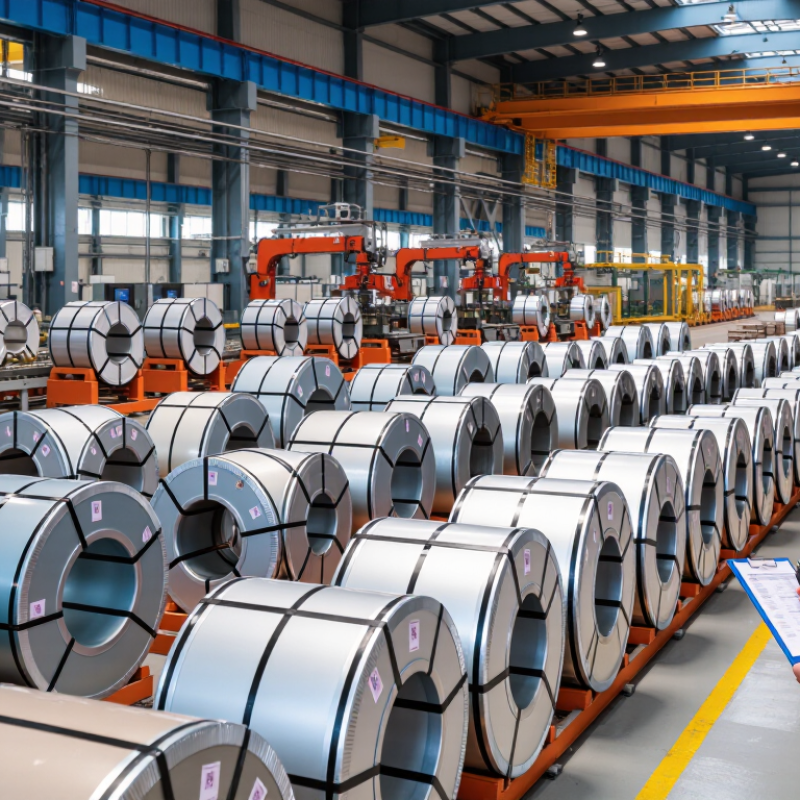
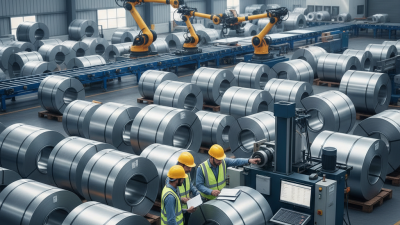
Metal coil suppliers in China generally fall into several practical categories. Steel mills produce coils directly, often in large volumes and limited grade ranges. Their documentation may include heat numbers, chemical composition, and mechanical test results. Minimum order quantities can be high, so smaller buyers may find direct purchasing difficult.
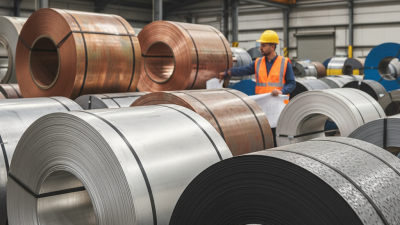
Service centers buy coils and hold stock for resale. They may offer more flexible quantities, common thicknesses, and quicker dispatch. Some also provide slitting or cut-to-length services. A slit edge should be checked for burrs, width variation, and surface marks. Details matter. Ask whether the quoted tolerance applies before or after processing.
Trading companies and export-focused suppliers connect buyers with mills or service centers. They can coordinate mixed specifications, shipping documents, and packaging, but their role varies. Some operate processing lines; others mainly arrange orders. Not every time. Request recent inspection records, coil labels, and photos showing protective wrapping and edge guards. Compare the stated grade and dimensions with the purchase documents, rather than relying on a generic product sheet. One overlooked detail can delay production: confirm the inner diameter, outer diameter, and coil weight fit your handling equipment.
| Supplier Type | How It Operates | Common Coil Products | Typical Capabilities | May Be Suitable For | What to Verify |
|---|---|---|---|---|---|
| Integrated steel producer | Produces steel through multiple stages of the steelmaking and rolling process; product availability depends on its facilities and product range. | Carbon-steel hot-rolled or cold-rolled coils, and other grades listed in the producer’s specifications. | Large-scale production, defined grade and dimensional ranges, and mill documentation for applicable products. | Buyers seeking mill-produced material, substantial volumes, or repeat orders within standard product ranges. | Mill test certificates, applicable product standards, grade and dimensional limits, minimum order quantity, and delivery schedule. |
| Independent rolling mill | Rolls purchased or sourced metal into specified thicknesses and forms; the range of operations varies by facility. | Hot-rolled or cold-rolled steel coils, depending on the mill’s equipment and production scope. | Rolling and, at some facilities, additional finishing or inspection processes. | Buyers whose required dimensions, grades, and order quantities fit the mill’s production capabilities. | Whether the mill produces the offered material itself, process controls, tolerances, traceability, and inspection records. |
| Metal coil service center | Buys coil from producers and processes or resells it; available processing services differ from one center to another. | Carbon steel, stainless steel, aluminum, or other metals, depending on its inventory and equipment. | May offer slitting, cut-to-length processing, recoiling, packaging, and local stockholding. | Buyers needing processed sizes, mixed orders, shorter lead times, or lower quantities than a mill order. | Processing tolerances, material origin and traceability, stock availability, handling standards, and service charges. |
| Coil coating or finishing processor | Applies a coating or finish to metal strip or coil, often using substrate sourced from a separate producer. | Coated steel coils and other coated products within the processor’s documented material range. | Depending on the line, may include cleaning, pretreatment, coating, curing, and protective film application. | Projects that specify a coating system, surface appearance, or finished coil for downstream forming. | Substrate grade, coating type and thickness, adhesion and performance requirements, color tolerances, and inspection methods. |
| Metal distributor or stockholder | Purchases and resells coils from one or more producers, typically supplying available inventory or arranging orders. | Commonly stocked carbon steel, stainless steel, or aluminum coils, subject to current inventory. | Inventory management, order consolidation, basic documentation, and sometimes delivery coordination. | Buyers prioritizing readily available material, smaller quantities, or access to several product categories. | Actual stock status, original producer, batch identification, certificate authenticity, storage condition, and delivery terms. |
| Trading or export supplier | Coordinates sourcing and sales between producers, processors, and domestic or overseas buyers; it may not manufacture the coil. | Products sourced from mills or processors, with specifications and availability dependent on the supply chain. | May coordinate quotations, export documents, transport, packaging, and communication between parties. | Overseas buyers needing sourcing support or a single point of contact for procurement and shipment coordination. | Identity of the actual producer, product documentation, inspection arrangements, payment terms, Incoterms, and shipping responsibilities. |
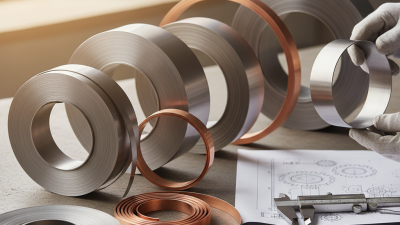
| Specialty or non-ferrous coil producer | Produces or processes a narrower range of metals, alloys, or coil specifications; capabilities vary by material and facility. | Examples include stainless steel, aluminum, copper, and other non-ferrous or alloy coil products. | Material-specific processing and testing, subject to the producer’s equipment and applicable standards. | Applications with defined alloy, conductivity, corrosion-resistance, forming, or other material requirements. | Exact alloy designation, temper or condition, applicable standard, test requirements, tolerances, and batch traceability. |