2026 Best Iron Sheet Types for Your Construction Needs?
In the construction industry, choosing the right materials is essential. Iron sheets have gained popularity for various applications, but not all iron sheets are the same. Understanding the different types available in 2026 can help builders make informed choices.
Iron sheets come in various grades and finishes. Some are galvanized to resist corrosion, while others may offer better aesthetic qualities. Not all iron sheets are suitable for every project. Budget constraints might lead to decisions that aren't ideal for long-term durability.
It's crucial to weigh the pros and cons of each type. A less expensive iron sheet may not withstand harsh weather conditions. This can lead to additional costs over time. Builders must reflect on their needs. Balancing cost, durability, and appearance is key. Emphasizing careful selection of the right iron sheet can significantly impact the success of a construction project.
2026 Overview of Iron Sheet Types in Construction Industry
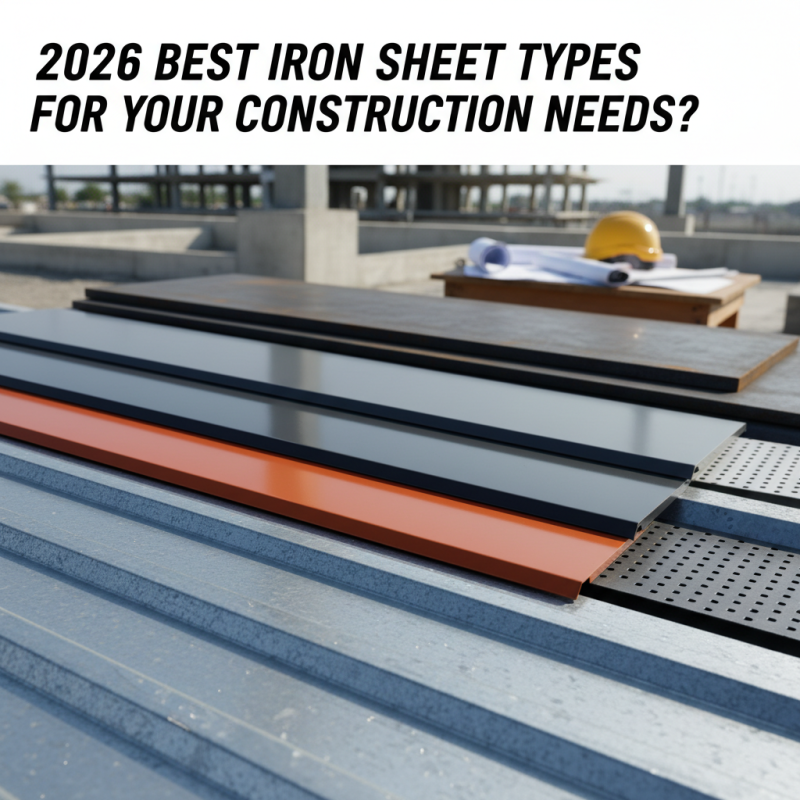
Iron sheets are essential in the construction industry. They come in various types, each serving unique purposes. Corrugated iron sheets are among the most popular. Their design allows for better water drainage, reducing leaks. These sheets are lightweight, which makes handling easier on job sites. However, their thinness can make them vulnerable to dents.
Another common type is galvanized iron sheets. These sheets are coated with zinc, providing an extra layer of protection against rust. They are ideal for roofing in humid regions. Still, the coating can wear off over time, leading to corrosion if not maintained well. Choosing the right thickness is crucial; a thinner gauge might save money but could compromise durability.
Stainless steel sheets are also gaining traction in construction. They are durable and resistant to corrosion. However, this option tends to be more expensive. It’s essential to balance the budget and the longevity of materials. Often, construction workers face dilemmas related to cost versus quality, which can lead to rethinking their choices. Each type of iron sheet has its advantages and disadvantages, making informed decisions vital.
Key Properties of Iron Sheets Relevant for Construction Use
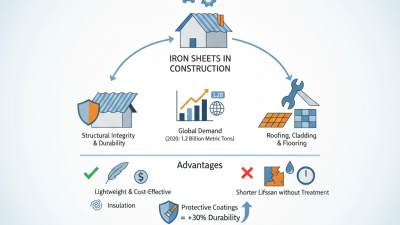
When selecting iron sheets for construction, key properties play a vital role. Durability, corrosion resistance, and weight are often prioritized. According to industry reports, galvanized iron sheets exhibit a longer lifespan. These sheets resist rust, enduring harsh weather conditions. Thus, they are ideal for roofing and siding.
Thickness significantly influences performance. Thicker sheets tend to be stronger. Some studies indicate that 0.5 mm thickness is preferred for structural applications. A thinner sheet may save costs but could compromise longevity. This trade-off must be considered carefully.
Tips: Always check the manufacturer's specifications. This ensures the iron sheets meet safety standards. It’s not just about choosing any sheet. Identifying the right type for specific needs is crucial. Reflecting on past projects helps identify what worked or did not. Adjusting choices based on these reflections might lead to better outcomes.
2026 Best Iron Sheet Types for Your Construction Needs
| Iron Sheet Type |
Thickness (mm) |
Weight (kg/m²) |
Corrosion Resistance |
Cost (per m²) |
| Galvanized Iron Sheets |
0.5 |
6.0 |
High |
$8.00 |
| Pre-painted Iron Sheets |
0.4 |
5.5 |
Medium |
$9.50 |
| Aluzinc Iron Sheets |
0.6 |
7.0 |
Very High |
$11.00 |
| Black Iron Sheets |
0.8 |
8.0 |
Low |
$6.00 |
| Composite Iron Sheets |
0.5 |
5.2 |
High |
$10.00 |
Comparison of Galvanized vs. Galvalume Iron Sheets for Durability
When choosing iron sheets for construction, durability is crucial. Galvanized iron sheets are coated with zinc. This layer protects against rust and corrosion. They are ideal for areas with high moisture. However, galvanized sheets can wear out over time. The zinc can chip away, exposing the metal beneath. This exposure can lead to premature deterioration.
Galvalume sheets, on the other hand, offer a different kind of protection. They are coated with a mixture of aluminum and zinc. This combination provides a robust barrier against corrosion. Galvalume sheets tend to outperform galvanized ones in harsh environments. They resist rust even better. However, they are not immune to wear. Both sheet types need periodic inspections. Factors like climate and installation can impact their lifespan.
Selecting the right sheet is a challenging process. Each project has unique demands. Understanding the specific needs of your construction will help. While both types offer durability, their longevity can vary. Careful consideration is necessary to ensure the best choice.
Market Trends: Popular Iron Sheet Types and Their Applications
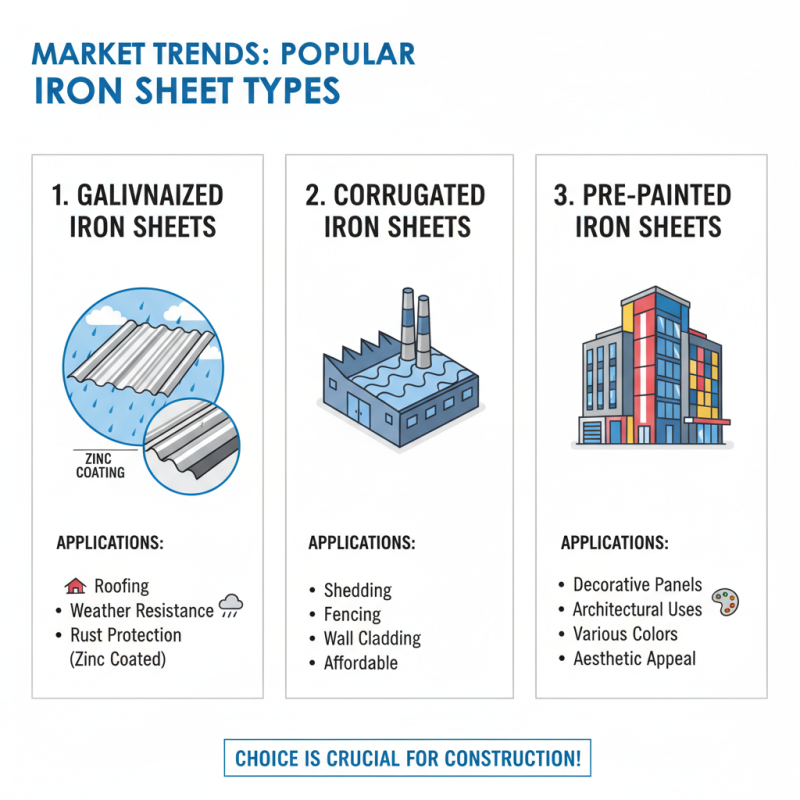
When it comes to construction, the choice of iron sheets is crucial. Different types serve specific purposes. Galvanized iron sheets are popular for roofing due to their durability and weather resistance. They typically come coated with zinc, shielding them from rust. This feature is essential for buildings in rainy regions.
Another notable type is pre-painted iron sheets. These sheets come in a variety of colors and textures. They enhance aesthetics while maintaining resistance to corrosion. Many constructors prefer them for facades and interior designs. However, not all finishes hold up against extreme weather, leading to peeling or fading.
Some builders still opt for plain iron sheets. They offer versatility, though they require regular maintenance. This maintenance can be costly over time. It's essential to weigh the initial lower price against long-term upkeep. Each type of iron sheet has its own strengths and weaknesses. Understanding these can help in making informed choices.
Environmental Impact and Sustainability of Iron Sheet Materials in 2026
As we approach 2026, the environmental impact of iron sheet materials in construction becomes increasingly significant. Traditional iron sheets often contribute to pollution and resource depletion. However, many manufacturers are now shifting towards sustainable practices. This change reduces waste and promotes recycling of materials.
Using recycled iron sheets can greatly lower your carbon footprint. Choose suppliers that prioritize sustainable sourcing. Look for options with low VOCs (volatile organic compounds). They are less harmful to air quality.
Tip: Consider using alternative materials when possible. Bamboo, for instance, is a renewable resource. It may lessen the reliance on traditional iron sheets. Another idea is to use locally sourced materials. This reduces transportation emissions. Think creatively about your construction needs. The impact of your choices matters now and for future generations.
2026 Environmental Impact of Different Iron Sheet Types
This chart illustrates the environmental impact and sustainability ratings of various iron sheet types used in construction as of 2026. The ratings are based on factors such as recyclability, carbon footprint, and production methods.