Leave Your Message

Top 10 Benefits of Tube Steel for Global Buyers in 2026?

As the global market evolves, Tube Steel emerges as a crucial material for various industries. Its unique properties make it increasingly sought after by manufacturers and builders worldwide. In 2026, the benefits are expected to expand considerably.

With its high strength-to-weight ratio, Tube Steel offers significant advantages in construction and manufacturing. This versatility contributes to reduced transportation costs and improved structural integrity. However, challenges related to sourcing and pricing should not be overlooked.

Understanding the benefits of Tube Steel ensures informed decisions for global buyers. Its durability and adaptability can enhance product quality and lifespan. Yet, prices may fluctuate, impacting overall project budgets. Balancing these factors is key to leveraging the advantages of Tube Steel effectively.

Top 10 Benefits of Tube Steel for Global Buyers in 2026?

Advantages of Tube Steel in Construction Applications

Top 10 Benefits of Tube Steel for Global Buyers in 2026?

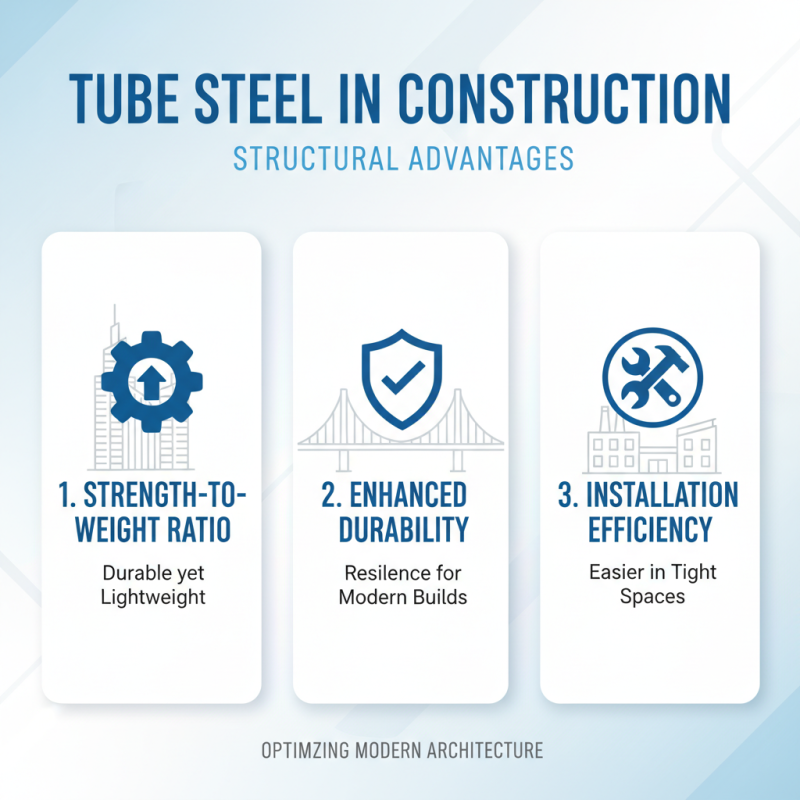
Tube steel is increasingly favored in construction due to its impressive structural integrity. It provides strength while remaining lightweight. This balance is crucial for modern building projects that demand durability and efficiency. In tight spaces, tube steel structures can be easier to work with, enhancing overall project flow.

Another notable advantage is tube steel's versatility. It can be easily fabricated into various shapes and sizes, catering to different architectural needs. This flexibility allows architects and engineers to innovate more freely. Additionally, tube steel is often more resistant to corrosion compared to traditional materials. This resistance can lead to longer-lasting structures, reducing maintenance costs over time.

However, relying solely on tube steel may present challenges. Its production process can be energy-intensive. Moreover, sourcing high-quality tube steel requires access to reliable suppliers. Buyers must ensure they use reputable sources to avoid inferior materials. Overall, tube steel remains a suitable option, but careful consideration is essential to maximize its benefits.
Cost-Effectiveness: Financial Benefits for Buyers

Tube steel is emerging as a cost-effective solution for various industries worldwide. A recent industry analysis indicated that using tube steel can reduce labor costs by up to 20%. This is primarily due to its ease of handling and installation. In 2026, global buyers will increasingly recognize the financial advantages of integrating tube steel into their construction and manufacturing processes.

Additionally, tube steel offers excellent strength-to-weight ratios. Buyers can save money on transportation and logistics due to its lightweight nature. A report from the Steel Institute revealed that tube steel reduces shipping costs by approximately 15% compared to other materials. These savings are significant for companies aiming to optimize their budgets while maintaining quality.

Tips: When choosing materials, consider the total cost of ownership. Sometimes, the cheapest option may not be the best in the long term. Additionally, evaluate the sustainability of your choices, as eco-friendly materials can boost your company's image.

Another notable benefit is the durability of tube steel. It resists corrosion and can withstand various environmental factors. This longevity translates into fewer replacements, saving money over time. However, some may overlook the initial investment compared to cheaper alternatives. Reflecting on long-term benefits is crucial for making informed decisions.

Top 10 Benefits of Tube Steel for Global Buyers in 2026

Enhanced Durability and Longevity of Tube Steel Products

The enhanced durability and longevity of tube steel products are paramount for global buyers. In 2026, industries will increasingly rely on tube steel due to its remarkable properties. For example, tube steel exhibits a higher resistance to bending and torsional stresses compared to conventional materials. This means that structures fabricated from tube steel can withstand harsh environments and heavy loads over time.

According to industry reports, tube steel can last up to 50% longer than standard steel in certain applications. This durability translates to lower maintenance costs and fewer replacements, which is attractive for businesses focused on longevity. However, it's essential to consider that not all tube steel is created equal. Quality control remains a crucial factor to ensure long-lasting performance.

Tips: Always verify the source of your tube steel. Look for suppliers that provide material certifications.

Investing in tube steel is not without challenges. Some manufacturers may cut corners to reduce costs. Buyers must remain vigilant about verifying product quality. Also, as technology advances, new materials may emerge that challenge tube steel's supremacy. Keeping an eye on industry trends can help ensure that you make informed decisions.

Versatility in Design and Functionality for Various Industries

Top 10 Benefits of Tube Steel for Global Buyers in 2026?

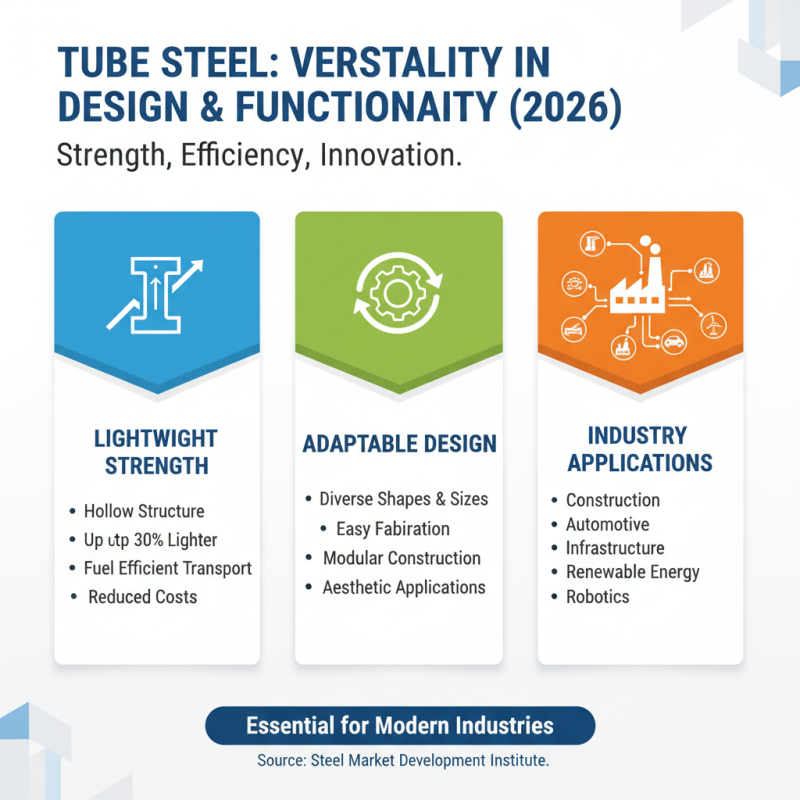
Tube steel offers remarkable versatility, making it essential for diverse industries in 2026. Its hollow shape allows for significant strength while reducing weight. According to the Steel Market Development Institute, tube steel can be up to 30% lighter than traditional beams, aiding fuel efficiency and lowering transportation costs.

Many sectors, including automotive and construction, benefit from tube steel's adaptability. Its ease of fabrication allows for unique designs that meet specific demands. The global tube steel market is projected to reach $130 billion by 2026, highlighting its growing importance. Companies can customize lengths and diameters, ensuring precise specifications for projects.

Tip: When selecting tube steel, consider its weight-to-strength ratio. It can significantly affect design efficiency. Keep in mind that imperfections in materials might arise, leading to unexpected challenges in structural integrity. Therefore, always source from reputable suppliers to minimize risks. Assessing the appropriate thickness is crucial, as it can impact both durability and cost.

Environmental Impact: Sustainability of Tube Steel Usage

The sustainability of tube steel is a significant advantage for global buyers. Tube steel is often recycled, reducing the need for raw materials. Its durability means it lasts longer, minimizing waste over time. When considering construction and manufacturing, tube steel has a lower carbon footprint than many alternatives. This feature appeals to eco-conscious companies aiming to reduce their environmental impact.

Additionally, tube steel requires less energy during production. Using advanced techniques, manufacturers produce it more efficiently. Nevertheless, there are challenges. Some processes still rely on fossil fuels, which can hinder sustainability goals. Furthermore, the transportation of tube steel can contribute to greenhouse gas emissions. Evaluating supply chains and minimizing transport distances is essential to enhance sustainability.

Despite these concerns, the overall perspective on tube steel remains optimistic. As buyers look for greener materials, the trend towards eco-friendly construction grows. Innovations in production methods can further strengthen tube steel's sustainability profile. Continuous research and adaptation will shape its role in future global markets. It's crucial to maintain a critical eye on these developments.

Top 10 Benefits of Tube Steel for Global Buyers in 2026

Benefit Description Environmental Impact Sustainability Rating
Strength High tensile strength, suitable for heavy loads. Reduced weight results in lower emissions during transportation. A+
Durability Resistant to corrosion, ensuring long lifespan. Less frequent replacements lead to lower material consumption. A
Versatility Applicable in various industries: construction, automotive, etc. Encourages recycling of materials across sectors. B+
Cost-Effectiveness Lower installation and maintenance costs due to durability. Lower resource extraction burden on the environment. B
Lightweight Easier handling and transportation. Reduces carbon footprint in logistics. A
Recyclability 100% recyclable without loss of quality. Promotes circular economy practices. A++
Safety Provides structural integrity and safety in applications. Reduction of hazardous failure risks minimizes waste. A+
Aesthetic Appeal Modern look for architectural designs. Encouraging sustainable design in constructions. B
Ease of Fabrication Can be easily welded and cut on-site. Lowers waste during the construction process. B+
Energy Efficiency Contributes to lower energy consumption in structures. Energy-efficient buildings have a lower ecological footprint. A+