What are the Benefits of Hot Rolled Steel in 2026?
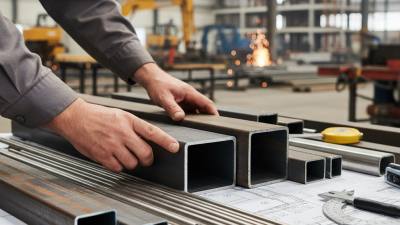
In 2026, the benefits of Hot Rolled Steel will continue to influence various industries. This steel type is known for its versatility and cost-effectiveness. A recent market analysis by Research and Markets indicates a projected growth of 5% in the global hot rolled steel market by 2026. This growth is driven by rising demand in construction and automotive sectors.
Hot Rolled Steel offers enhanced malleability and weldability. These properties make it ideal for structural applications. For instance, the construction of buildings and bridges relies heavily on this material. However, not all applications are suitable for Hot Rolled Steel. The potential for surface imperfections raises concerns in high-quality aesthetic applications.
Additionally, while Hot Rolled Steel is often cheaper, buyers must be cautious. Price fluctuations can affect project budgets. Quality control is crucial, as variability can lead to unexpected challenges. Understanding the balance between cost and quality in Hot Rolled Steel is vital for successful outcomes in 2026.
Key Characteristics of Hot Rolled Steel in 2026
Hot rolled steel is a versatile material with unique characteristics that set it apart in 2026. It displays significant malleability, allowing it to be easily formed into various shapes. This flexibility makes it ideal for construction and manufacturing. The high temperatures involved in the hot rolling process create a uniform structure, which enhances its mechanical properties.
Durability is another key feature of hot rolled steel. This material can withstand considerable stress, making it suitable for heavy-duty applications. It shows resistance to deformation, which is vital in demanding environments. However, this strength can sometimes lead to challenges in precise applications where tighter tolerances are essential. This aspect warrants careful consideration during fabrication.
Surface finish is yet another characteristic. Hot rolled steel typically has a rough, unpolished surface. While this may not be aesthetically pleasing, it provides a robust base for other processes. It is essential to reflect on whether a smoother finish is needed for specific uses. This consideration might lead to additional processing steps and costs. Overall, understanding these characteristics is crucial in maximizing the benefits of hot rolled steel in various applications.
Applications of Hot Rolled Steel in Various Industries
Hot rolled steel is widely used in construction and manufacturing. Its flexibility makes it ideal for structural components. In 2026, industries increasingly rely on its cost-effectiveness. Buildings, bridges, and industrial facilities often use hot rolled steel beams. The strength combined with light weight enables faster construction times.
In automotive manufacturing, hot rolled steel serves various functions. It forms parts such as frames and chassis. This material withstands high impact while remaining economical. However, some manufacturers struggle with quality control. Variability in thickness can lead to unforeseen issues.
Moreover, the energy sector utilizes hot rolled steel in pipelines. These pipelines transport oil, gas, and water. While hot rolled steel is durable, corrosion can be a concern. Regular maintenance is necessary to ensure longevity. Overall, hot rolled steel meets diverse needs across industries, yet challenges persist.
Benefits of Hot Rolled Steel in 2026
Hot rolled steel is widely used across various industries due to its advantageous properties. The following chart illustrates the major applications of hot rolled steel in 2026 and its corresponding benefits.
Economic Advantages of Using Hot Rolled Steel
Hot rolled steel continues to gain traction in various industries due to its economic advantages. Forecasts suggest that by 2026, the demand for hot rolled steel will increase by close to 8% annually. This uptick is largely attributed to its cost-effectiveness and superior mechanical properties. Companies favor this material for large structural components, reducing production time and minimizing waste. For example, hot rolled steel can be produced in larger widths than cold rolled variants, making it suitable for a wider range of applications.
Cost per ton is a crucial factor. Reports indicate that hot rolled steel offers significant savings, typically around 15%-20% compared to cold rolled alternatives. This margin can greatly impact project budgets. Additionally, faster manufacturing times are critical for businesses under tight deadlines. Hot rolled steel's efficiency helps firms complete projects on schedule, enhancing overall productivity. However, one must consider its lower precision compared to cold rolled steel, which may or may not be a limiting factor, depending on the application.
Overall, as more industries recognize these economic benefits, hot rolled steel's popularity will likely continue to rise. Its affordability and versatility make it a prime choice. Yet, one must address potential drawbacks in specific applications where precision is vital. Balancing these elements will be key to maximizing its benefits in the years to come.
Future Trends in Hot Rolled Steel Manufacturing Techniques
In 2026, hot rolled steel manufacturing is poised for significant advancements. One of the key future trends involves the integration of artificial intelligence in production processes. AI can enhance quality control. It reduces defects and improves yield. Recent studies suggest that AI applications can increase efficiency by nearly 30% in steel mills.
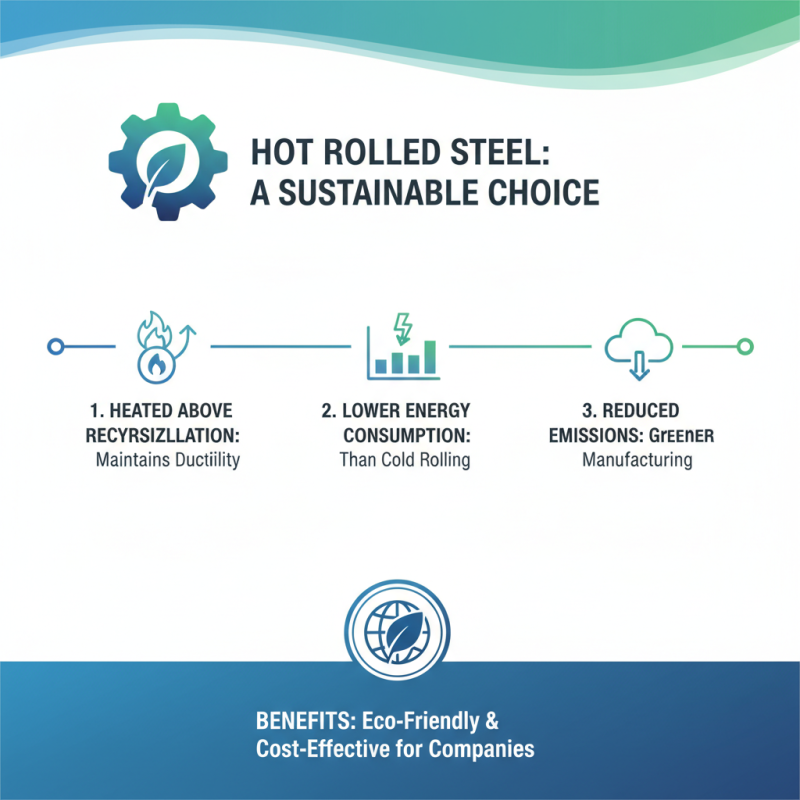
Moreover, sustainable practices are emerging in the industry. The push for eco-friendly steel production methods is growing. By 2026, around 40% of hot rolled steel could be produced using recycled materials, according to industry reports. These innovations also target lower carbon emissions, aligning with global climate goals. However, implementing these technologies presents challenges. Many companies still lack the infrastructure for such transitions.
Additionally, automation will reshape labor needs. While it improves productivity, it may also lead to job reductions. A balance between efficiency and workforce stability is essential. Industry analysts project that this shift could create demand for skilled workers in tech and engineering fields, while reducing traditional roles in manufacturing. The evolving landscape requires continuous adaptation and reflection on societal impacts.
What are the Benefits of Hot Rolled Steel in 2026? - Future Trends in Hot Rolled Steel Manufacturing Techniques
| Benefit |
Description |
Impact on Industry |
Future Trends |
| Cost Efficiency |
Hot rolling reduces the overall costs of production. |
Lower production costs lead to more competitive pricing. |
Increased use of automation may further drive down costs. |
| Improved Material Properties |
Enhanced ductility and toughness increase usability in various applications. |
Broadens the range of applications in construction and manufacturing. |
Developments in alloys may further enhance properties. |
| Sustainability |
Reduced energy consumption and waste in production processes. |
Meets increasing demand for sustainable manufacturing practices. |
Adoption of greener technologies and recycling initiatives. |
| Versatility |
Ability to produce a wide variety of shapes and thicknesses. |
Supports diverse industries from automotive to construction. |
Innovation in product forms to meet specific needs. |
| Reduced Lead Times |
Faster production cycles compared to cold rolled methods. |
Enables quicker project turnaround for clients. |
Advancements in scheduling and logistics technology. |