2026 Best Steel Rebars for Global Buyers What to Consider?
In the ever-evolving construction industry, choosing the right materials is crucial for success. According to Dr. Emily Chen, a leading expert in steel reinforcement, "The selection of Steel Rebars can significantly impact the durability of any structure." As global buyers navigate the market in 2026, several factors must be considered.
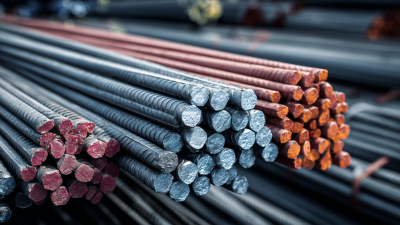
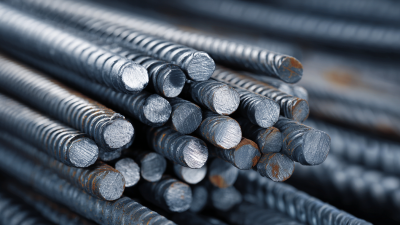
Steel Rebars are not just rods; they play a vital role in enhancing structural integrity. Buyers must evaluate the quality, diameter, and yield strength of these materials. Not all suppliers offer the same level of performance, which can lead to unforeseen challenges. Proper guidance is essential in this complex landscape, as even minor miscalculations can compromise safety.
Moreover, the global market presents fluctuating prices and varying standards. It’s crucial to prioritize reliability and compliance with regulations. Without a thorough understanding, buyers may face dissatisfaction or even legal issues. Balancing cost and quality is a delicate task, one that requires careful thought and consideration.
Overview of Steel Rebars in the Construction Industry
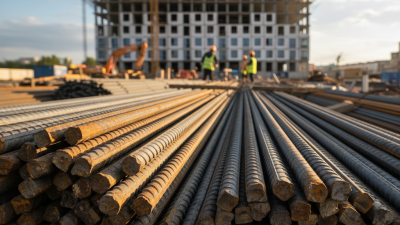
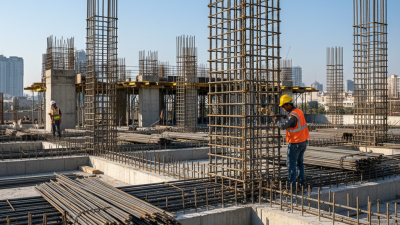
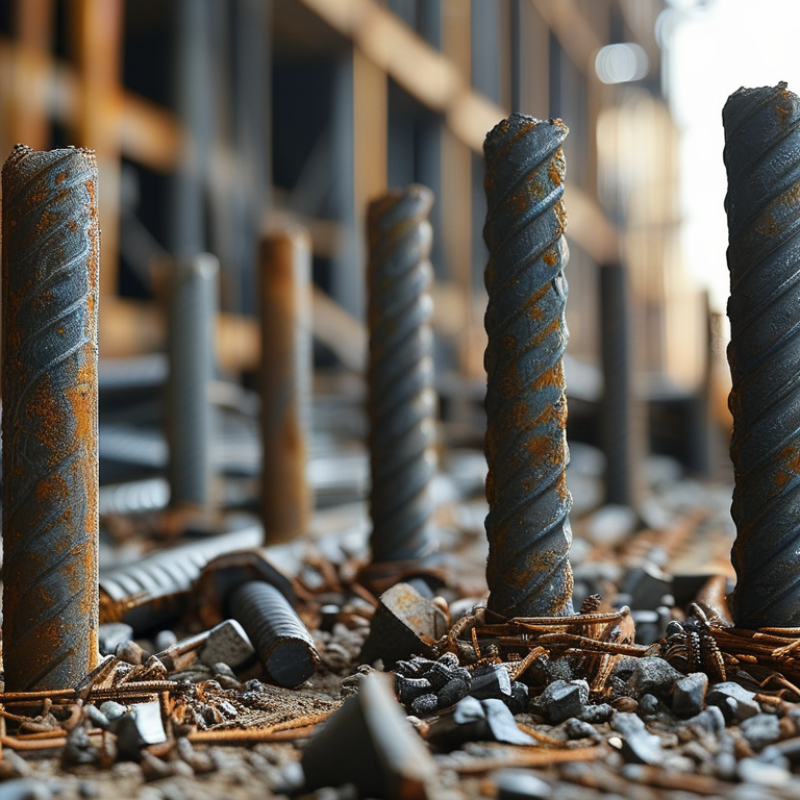
Steel rebars play a crucial role in the construction industry. They provide tensile strength to concrete structures, which inherently lack this attribute. The materials used for these rebars must withstand various forces. Choosing the right type impacts durability and safety.
In recent years, the demand for quality steel rebars has grown. This trend reveals a shift in construction standards worldwide. Knowing the composition and sourcing of steel rebar is essential. Poor-quality materials can lead to structural failures, which are costly and dangerous. Industries often overlook these aspects, risking integrity for temporary gains.
The sustainability of steel production also poses challenges. The environmental impact is significant. Manufacturers are exploring greener alternatives and recycling methods. It’s a complex landscape, with hidden consequences. Understanding these factors is essential for global buyers. They must weigh strength and sustainability against their project requirements.
2026 Best Steel Rebars for Global Buyers What to Consider?
| Type |
Diameter (mm) |
Grade |
Yield Strength (MPa) |
Elongation (%) |
Application |
| Deformed Rebar |
12 |
B500B |
500 |
15 |
Concrete Structures |
| Mild Steel Rebar |
16 |
Fe 415 |
415 |
25 |
General Construction |
| Epoxy Coated Rebar |
20 |
B500C |
500 |
20 |
Corrosion Resistant Applications |
| Stainless Steel Rebar |
25 |
AISI 316 |
600 |
30 |
High Corrosion Environments |
Key Material Properties to Look for in Steel Rebars
When selecting steel rebars for construction, key material properties play a crucial role. One important aspect is tensile strength. This determines how much load the rebar can bear without failing. Higher tensile strength often translates to better durability and longevity in structures.
Another critical property is corrosion resistance. Rebars exposed to moisture can corrode easily, compromising integrity. Coatings or specific grades can enhance resistance, making them suitable for various environments.
Tips: Always consult with engineers about the specific environmental conditions. This helps in choosing the right type of rebar. Pay attention to local regulations as well; they can dictate material standards.
Lastly, dimensional accuracy matters. Ensuring that rebars meet specified sizes can affect the fit within concrete. Inaccuracies can lead to structural issues down the line. It's essential to verify measurements before making a purchase. Keep in mind that even the best materials require careful handling to maintain performance in real-world applications.
Global Standards and Certifications for Quality Rebars
When selecting steel rebars, understanding global standards is crucial. Various certifications ensure the product's quality and safety. The International Organization for Standardization (ISO) sets widely recognized criteria. For instance, ISO 6935 details the specifications for steel bars used in reinforced concrete. Compliance with such standards is essential for construction projects.
Additionally, specific regions may follow their standards. The American Society for Testing and Materials (ASTM) offers guidelines that ensure performance and reliability. According to a 2022 industry report, approximately 80% of construction professionals prioritize these certifications in their procurement processes. This statistic highlights the industry's emphasis on quality assurance.
However, challenges remain. Not all manufacturers adhere to these standards. Some may provide lower-quality rebars without proper certification. This can lead to structural issues down the line. Therefore, buyers must critically assess certification claims and ensure transparency. Verifying compliance can safeguard projects and mitigate risk.
Factors Influencing the Cost of Steel Rebars
When considering the costs of steel rebars, several factors come into play. The type and grade of steel significantly influence prices. Higher-grade steel typically costs more due to enhanced strength and durability. Additionally, raw material prices fluctuate, impacting the overall cost structure. Transportation expenses, especially for global buyers, can add substantial costs, depending on distance and logistics.
Tips: Always verify the source of your materials. Quality assurance can save you from future expenses. Investigate the reputation of suppliers to ensure reliability. Some buyers neglect this step, leading to issues later.
Market demand is another critical factor. A surge in construction projects raises demand, driving prices up. Seasonal trends can also play a role, with prices often spiking during peak construction seasons. Understanding these trends is essential for budgeting your projects accurately.
Tips: Monitor market trends regularly. Early purchase can sometimes secure better pricing. Collaboration with industry experts might provide insights that save you money. Many overlook expert opinions, only to face budget overruns later on.
Best Practices for Purchasing Steel Rebars Internationally
When purchasing steel rebars internationally, it's crucial to understand the specifications. Buyers should focus on the grade and diameter of the rebars. Different regions have varying standards for these materials. It’s advisable to consult local building codes for compliance. Misunderstandings can arise from mismatched expectations.
Inspecting the manufacturing process is vital. A reliable supplier should provide transparency about their production methods. Look for details like the quality of raw materials used. Additionally, checking for certifications can ensure reliability. Conducting factory visits, when possible, can offer valuable insights.
Pricing is another key consideration. Variations exist based on market conditions and location. It’s wise to compare quotes from multiple suppliers. However, the lowest price may not always indicate the best value. It's essential to weigh the balance between cost and quality. This approach helps prevent potential project delays caused by inferior products.